The ABVD treatment regimen for chemotherapy is among the most commonly utilized and efficient treatment strategies to treat Hodgkin lymphoma, which is a type of cancer that is a threat to the lymphatic system. The treatment regimen is comprised of four potent chemotherapy drugs that are designed to eliminate cancerous cells, shrink the size of tumors, and stop the cancer from spreading. Knowing the way ABVD is able to work, what you can anticipate during treatment, and the potential side effects could aid patients and their families to feel more prepared for the journey to treatment.
What Is ABVD Chemotherapy?
ABVD is a combination chemotherapy regimen that includes four different drugs that each target tumor cells in a unique way. The term “ABVD” is a reference to:
-
A – Adriamycin (Doxorubicin)
-
B – Bleomycin
-
V – Vinblastine
-
D – Dacarbazine
These drugs work in tandem to block cancer cell division and growth. ABVD is considered to be the most effective first-line treatment for a variety of forms of classic Hodgkin lymphoma because it offers high cure rates when administered according to schedule and closely monitored.
How ABVD Chemotherapy Is Given
ABVD is typically delivered in cycles. Each cycle lasts for 28 days, and patients usually get treatment at the beginning of Days 1 and 15 of every cycle. Based on the stage of lymphoma in the patient, most patients go through two to six sessions in ABVD.
1. Pre-Treatment Evaluation
Before beginning ABVD, patients go through a series of evaluations, such as:
-
Complete blood count
-
Tests of kidney function and liver
-
Echocardiograms to assess the health of your heart
-
Tests of Pulmonary Function (lung function)
-
PET/CT scans for determining the stage of disease.
These assessments aid doctors in ensuring that patients can be sure to receive every medication within the treatment plan.
2. Treatment Day Process
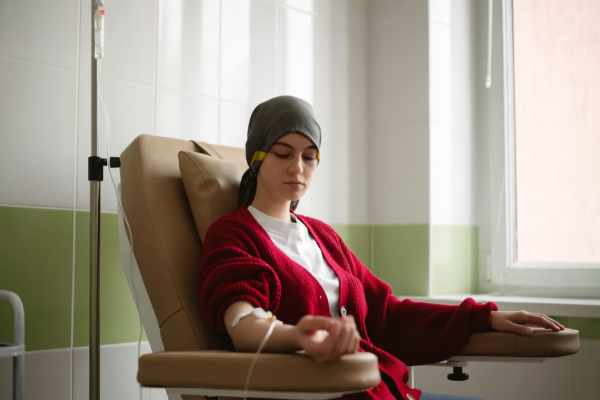
When the time comes for treatment, the patient is sitting at ease in the infusion chair. Nurses insert an IV line or connect to an already-existing port for administering medication in a sequence. The typical procedure for infusion includes:
-
Checking vital signs
-
Pre-medication for nausea to lessen the effects of
-
An infusion of ABVD drugs
-
Hydration is required if needed
Each session of treatment can take about 2-3 hours, depending on the speed of infusion and the condition of the patient.
3. Monitoring During the Treatment Cycle
Between each treatment day, patients are screened for:
-
Blood counts
-
Signs of the infection
-
Breathing difficulty
-
Fatigue levels
-
Gastrointestinal problems
If the blood count drops dramatically, the oncologist could prolong the next cycle or change the dose to ensure safety.
How Each ABVD Drug Works
Understanding the purpose of each drug will help you understand the reasons ABVD is effective.
Adriamycin (Doxorubicin)
-
Attacks DNA inside cancer cells
-
Stops cells from growing
-
It is known for its red color; it is sometimes referred to as”the red devil” drug
Bleomycin
-
Breaks in DNA strands can cause damage.
-
Particularly beneficial in Hodgkin lymphoma cells.
Vinblastine
-
It breaks down the microtubules that are inside cancer cells.
-
Blocks cells from growing and spreading
Dacarbazine
-
Changes the genetic material in cancer cells.
-
It slows or stops the growth of cancer
Together, they create a multi-directional attack against cancerous cells.
Common Side Effects of ABVD Chemotherapy
Every chemotherapy regimen has its own adverse effects; ABVD is generally thought to be better tolerated than other treatments. However, patients must be aware of any potential adverse consequences and report any signs to their healthcare team.
1. Fatigue
Fatigue is among the most frequent adverse effects that can occur, particularly following several cycles. Rehydration, rest, and a balanced diet can aid in managing energy levels.
2. Nausea and Vomiting
Even with pre-medication, nausea can occur. Anti-nausea tablets can be prescribed for use at home.
3. Hair Loss
Doxorubicin may cause hair loss or total loss of hair. Hair tends to regrow when treatment is finished.
4. Infection Risk
ABVD can cause a decrease in white blood cell count and make patients more prone to infection. The most important precautions are
-
Avoiding places with a lot of people
-
Maintaining the hygiene of the hands
-
Monitoring fever levels
5. Mouth Sores
Certain patients suffer from mucositis, which causes a soreness within the mouth. Soft food items, saltwater rinses, and proper oral hygiene can aid in reducing the discomfort.
6. Changes in Appetite
Changes in taste and a decreased appetite are not uncommon. Small meals that are frequent may ease.
Serious but Less Common Side Effects
1. Lung Toxicity (Bleomycin)
Bleomycin can cause lung inflammation or fibrosis. Signs and symptoms include:
-
Breathing shortness
-
Dry cough
Patients are closely monitored with lung function tests throughout treatment.
2. Heart Toxicity (Adriamycin)
Doxorubicin can alter the function of the heart in higher doses. Regular heart examinations prior to treatment and monitoring help reduce the risks.
3. Nerve Problems (Vinblastine)
Vinblastine can trigger mild neuralgia, such as the sensation of numbness or tingling in the feet and hands. It’s usually a temporary condition.
Lifestyle and Supportive Care During ABVD
1. Healthy Diet
Patients should be focused on:
-
High-protein foods
-
Fresh fruit and vegetables
-
Proper hydration
2. Activity and Rest
A gentle exercise like walking can aid in reducing fatigue. However, patients should take a break when they need to.
3. Emotional Support
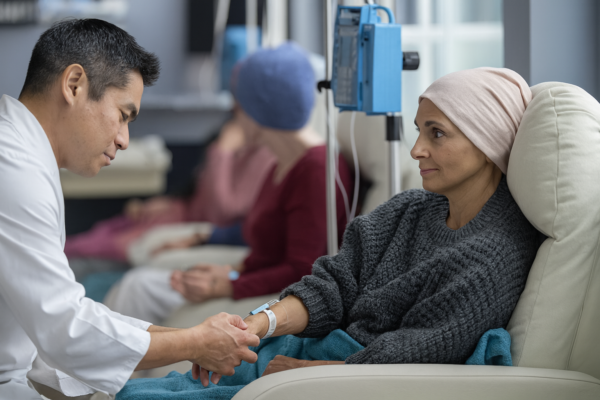
The process of undergoing cancer can be stressful. Participating in support groups or talking with a counselor may help ease anxiety and stress.
4. Avoiding Smoking
Smoking can increase the risk of lung-related complications, specifically when bleomycin is used. Patients are strongly advised to quit smoking cigarettes if they are able to do so.
Post-Treatment Monitoring
Following the completion of ABVD, patients undergo:
-
PET/CT scans are used to assess the treatment response
-
Testing for red blood cells to confirm recovery
-
Every few months, regular follow-ups.
Care for survivorship may also include checking for any late-onset complications, like lung or heart issues, particularly if high doses of medication were taken.
Conclusion
ABVD remains an extremely efficient and widely used chemotherapy treatment for Hodgkin lymphoma. While the path to treatment isn’t easy, knowing the process, possible adverse effects, and the necessity of monitoring will make patients feel more comfortable and prepared. When a timely diagnosis is made, followed by proper medical treatment and continuous care, many patients are able to achieve long-term remission and then get back to their normal lives following treatment.
