
If your routine blood tests reveal an abnormal result or you’re experiencing chronic fatigue, frequent infections, or unanswered symptoms, your doctor might suggest a bone marrow test. Although it may be daunting at first, knowing the procedure can reduce anxiety.
The bone marrow test is a diagnostic test that is used to assess the condition of the bone marrow as well as blood cells. It is a crucial test that aids doctors in diagnosing as well as monitoring and treating the many blood-related illnesses.
This article explains what a bone marrow biopsy is, how it’s conducted, the various types of tests, and what to anticipate prior to, during, and following the procedure.
Understanding Bone Marrow
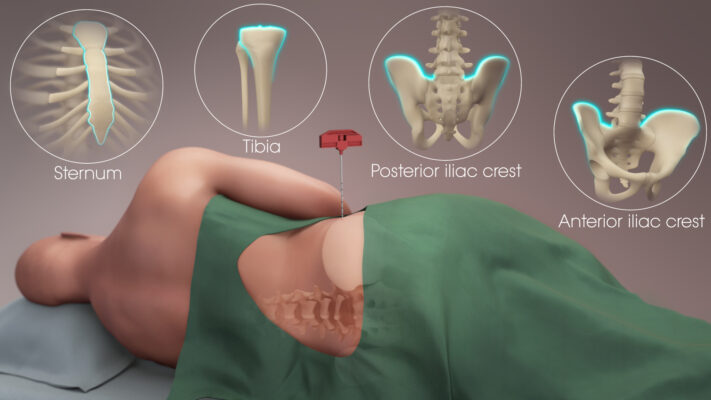
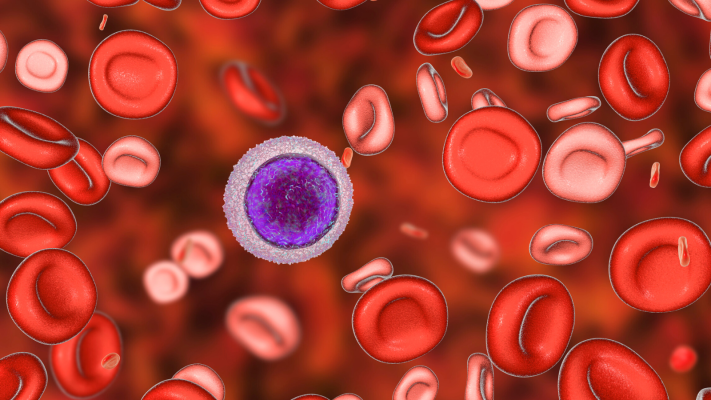
Bone marrow can be described as the soft tissue inside specific bones, most notably that of the hip bone. It is the source of:
-
Blood cells of the red blood cell are oxygen carriers throughout the body.
-
Cells of white blood that assist in fighting infections
-
Platelets are a source of blood to clotting
The bone marrow test enables doctors to determine how the cells are producing and also whether the marrow is healthy.
Why Doctors Recommend a Bone Marrow Test
A bone marrow biopsy may be recommended for:
-
Find out if you have blood disorders, such as leukemia, anemia, or myeloma
-
Identify the causes of infections that affect bone marrow
-
Find cancers that are involved in or develop in the marrow.
-
Examine any fevers that are not explained or have abnormal blood tests
-
Be aware of the response to treatments such as chemotherapy or immunotherapy
Types of Bone Marrow Tests
There are two primary types of bone marrow exams. In a lot of instances, both are done in conjunction to ensure a precise diagnosis.
1. Bone Marrow Aspiration
This test involves removing tiny amounts of liquid bone marrow by using a small needle. It allows you to determine the amount as well as the shape and maturation of blood cells.
2. Bone Marrow Biopsy
In this process the needle is utilized to extract a tiny part of bone marrow. The sample can be used to evaluate the marrow’s structure and reveal conditions that may not be apparent within the sample of liquid.
How to Prepare for a Bone Marrow Test
Prior to the procedure the doctor will:
-
Examine your medical history and current medications.
-
Perform blood tests for preliminary purposes.
-
Discuss the procedure and potential risk
-
Obtain written consent
You might be advised to stop taking medications for a short period of time, like blood thinners. Dressing comfortably and making arrangements for an accompanying person is generally recommended, particularly in the event of sedation.
Step-by-Step Bone Marrow Test Procedure
1. Patient Positioning
The patient will lie on their back or on their stomach at an exam table. The sample is usually obtained from behind the hip bones.
2. Cleaning and Local Anesthesia
The skin is then thoroughly cleaned, after which the area is then treated with a local anesthetic to reduce the pain of the skin tissues. It is possible to feel a mild sting or pressure in this process.
3. Bone Marrow Aspiration
A needle of a small size is inserted in the bone to draw out the liquid marrow. There are some who feel a short pulling or pressure feeling at this point.
4. Bone Marrow Biopsy
In the event that a biopsy essary, A needle that is specially designed for this purpose removes the small amount of bone marrow. This can trigger some pressure sensation; however, it generally lasts just for a couple of minutes.
5. After the Procedure
A bandage is slapped on, and you’ll be monitored for a brief period of time, in particular if sedation is utilized.
Does a Bone Marrow Test Hurt?
The level of discomfort can vary from person to person. Local anesthesia can significantly lessen pain, but the aspiration could cause intense discomfort, and the biopsy could appear to be the pressure of a deep. The site may feel a little sore following the procedure, which is normal and lasts for a short time.
What to Expect After the Test
The procedure is followed:
-
Take a break for the rest of the day
-
Do not engage in strenuous activities for 24 to 48 hours
-
Apply mild pain relievers as required
-
Examine the site for swelling, redness or bleeding
The collected samples are then sent to a lab to be analyzed. The results typically take between a few days and a few weeks, according to the tests conducted.
Possible Risks and Complications
Tests for bone marrow are thought to be secure; however, minor risks could be present, such as:
-
Acute pain or bruises
-
Mild bleeding
-
Infections on the site of biopsy
-
A rare reaction to the anesthetic
Following the instructions of your doctor after surgery can help reduce the risk.
Recovery Tips After a Bone Marrow Test
-
Make sure the biopsy area is free of dirt and keep it dry
-
Beware of heavy lifting for a few days
-
As directed, take prescribed medication.
-
Drink plenty of water and get enough sleep
See your doctor if you are experiencing constant discomfort, fever, or excessive bleeding, or any signs of an infection.
Final Thoughts
Although it can sound a bit intimidating, however, a bone marrow analysis is a common and useful diagnostic tool that offers crucial information about blood and the health of the bone marrow. Knowing the procedure can alleviate stress and help make the process easier to manage.
If your physician has recommended the bone marrow test, take note that it’s an effective and safe step towards a precise diagnosis and the appropriate treatment. Always trust your doctor to provide you with individualized guidance and support throughout the procedure.
