
Being diagnosed with the presence of a bone marrow tumor is an emotional experience. It doesn’t matter if the tumor is harmless or malignant, knowing the nature of the disease, treatments available, as well as the best way to manage your health, could significantly impact your recovery as well as your peace of mind.
This guide will assist you or a loved one in take the right actions following the bone marrow cancer diagnosis.
1. What Is a Bone Marrow Tumor?
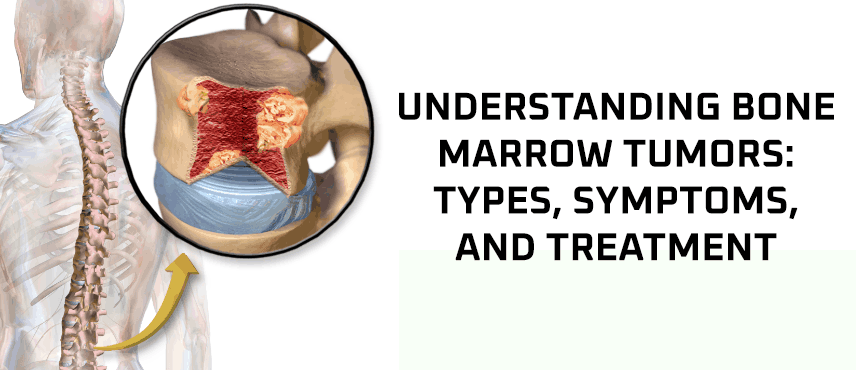
A bone marrow tumor is a malignant growth that occurs in the soft, spongy bone tissue that is the bone marrow in which your body creates blood cells. These tumors can:
-
The cause is in the bone marrow itself (primary bone marrow tumors)
-
Marrow marrow tumors can spread to other body parts ( secondary bone marrow tumors)
Types of Bone Marrow Tumors:
-
Leukemia is a tumor of the blood-forming cells
-
Multiple Myeloma—cancer of plasma cells
-
Lymphoma could be a threat to the bone marrow during advanced stages
-
Myelodysplastic Syndromes (MDS) – disorders that affect marrow function
Certain bone malignancies of the marrow are not cancerous (benign) and are not likely to spread, while other bone marrow tumors may be infected with cancer and require a more aggressive treatment.
2. Getting an Accurate Diagnosis
The early detection is crucial for the treatment of any bone marrow tumor. If you experience symptoms like persistent fatigue, bone pain, frequent infections,or blood count abnormalities occur, your doctor might suggest
-
Bone Marrow Biopsies
-
MRI, CT scan, or PET scan
-
Blood tests (CBC, protein levels, markers)
Tips: Always keep a personal copy of your diagnostic report and laboratory results.
3. Building Your Medical Team
The treatment of osteoma requires an integrated method. Find a medical team that has years of experience dealing with blood cancers as well as bone marrow-related diseases.
-
Hematologists
-
Oncologists
-
Pathologists and radiologists
-
Specialists in supportive care (nutrition and treatment for mental health and pain management)
Ask your doctor:
-
What kind of bone marrow cancer is this?
-
What are your experiences with this particular health issue?
-
What are the short-term and long-term treatment objectives?
4. Treatment Options for Bone Marrow Tumors
The treatment of treatment of a bone marrow tumor is based on a variety of factors such as size, type, location, age, and general health.
Common treatments include:
-
Chemotherapy
-
Therapy with radiation
-
Immunotherapy
-
Therapy with a specific goal
-
Stem cells or bone Marrow transplant
-
Watchful waiting (for certain low-risk tumors)
Tips: Always consider getting a third opinion prior to beginning major treatments,, particularly those that involve bone marrow transplants.
5. Managing Symptoms and Side Effects
The signs of a bone marrow tumor can be
-
Fatigue
-
Joint or bone pain
-
Low blood counts or anemia
-
Numerous infections
The treatment can have its own set of side effects, including:
-
Nausea
-
Hair loss
-
Immune suppression
-
Emotional distress
Talk to your healthcare team about treatments that are supportive,, such as
-
Support for nutrition
-
Physical therapy
-
The treatment for nausea and pain
-
Counseling for mental health
6. Lifestyle Changes That Help
A life with a bone marrow tumor typically will require some changes in lifestyle:
-
Diet: Concentrate on protein-rich rich, nutrient-rich foods, as well as food items that boost the immune system.
-
Exercise: Gentle movements like yoga or walking, when you are able to get your doctor’s approval
-
Relaxation: Prioritize sleep and reduce stress
-
Hygiene Maintain a high standard of hygiene in order to decrease the risk of infection when you are undergoing treatment.
7. Emotional and Mental Health Support
A bone marrow cancer diagnosis could trigger anxiety or depression. It is crucial to take care of your mental health in conjunction with your physical health.
Consider:
-
Counseling for oncology
-
Support groups for cancer (local and online)
-
Apps for relaxation and meditation
-
Talking to family members
8. Planning Financially and Logistically
The treatment for bone marrow tumors can be lengthy and expensive. Keep ahead of the curve by the following strategies:
Checklist:
-
Review coverage from insurance
-
Consult with financial counselors at the hospital.
-
Look into patient assistance and non-profit programs.
-
Plan transport, home care or take time off from for work
9. Stay Informed and Empowered
It is important to have knowledge when confronted with the challenge of a bone marrow tumor. Continue to learn to ask questions and consult reliable sources.
-
American Cancer Society
-
Leukemia & Lymphoma Society
-
Mayo Clinic
-
National Cancer Institute
Note down your appointments, and you might want to invite an unreliable family member or friend to be present.
Final Thoughts
The challenge of battling a bone marrow tumor is no doubt a difficult task however, you’re not on your own. With the appropriate medical team, well-informed choices, and emotional support, you can control your journey to health.
One step at one step at a time. Be mindful of your own progress. You are more powerful than you realize.
