Chronic Granulomatous Disease
Chronic Granulomatous Disease affects the ability of the body to fight certain bacterial or fungal infections. This disorder affects phagocytes which are white blood cells that are crucial in destroying microbes. CGD patients are unable to produce the reactive species necessary to destroy pathogens. This leads to persistent and severe infections.
Understanding the nature of CGD
CGD is usually diagnosed in early childhood or in infancy, although milder forms can be detected later. Although infants appear to be healthy at birth they develop severe, frequent infections which are difficult to treat. These infections usually affect the lung, liver, lymphnodes, skin and digestive tract.
CGD is characterized by the formation of Granulomas, which are clusters of immune cell that develop in response to chronic inflammation. These granulomas may cause complications and obstructions in organs like the skin, intestines or urinary tract.
Genetics and Causes of CGD
CGD is caused primarily by mutations of genes that are responsible for the NADPH-oxidase complex. Phagocytes produce toxic molecules in order to kill microbes. The most common CGD form is X linked CGD . This affects mostly males. Other forms are autosomal recessive.
Symptoms of Chronic Granulomatous Disease
Children with CGD may exhibit symptoms such as:
-
Recurrent pneumonia
-
Abscesses of the liver and spleen
-
Osteomyelitis
-
Suppurative Arthritis
-
Other skin infections and Cellulitis
-
Persistent fungal infections
-
Delay in wound healing
-
Chronic inflammation caused by granuloma
Diagnosis CGD
It is important to have an accurate and early diagnosis in order to prevent complications. Diagnostic tools include
-
Neutrophil Function Tests
-
Genetic Testing To confirm specific mutations
-
Evaluation of family history, clinical symptoms and symptoms
These tests can help to determine the type and severity of CGD, as well as guide treatment decisions.
Treatment options for CGD
The only cure for CGD is modern treatment, which improves quality of life and lifespan. Treatment focuses on prevention of infections management of inflammation and improving immune function.
1. Prophylactic Therapy
-
Use of antifungal medicines and antibiotics for a long time to prevent infection.
-
The need for preventive care can last a lifetime.
2. Interferon Gamma Therapy
-
The immune system can be stimulated by interferon-gamma, reducing the risk of serious infections.
3. Treatment for Active Infections
-
When infections occur, treat them quickly and aggressively with broad spectrum antibiotics (or antifungal drugs).
4. Surgical Intervention
-
If a granuloma is causing obstruction, it may be necessary to perform surgical procedures in order to remove the infected tissue or relieve pressure.
5. Bone Marrow Transplantation
-
In some cases, stem cell transplantation can be a cure. This option is usually reserved for patients who have a severe disease, and a donor match that matches.
Long-Term Outlook
The prognosis of children with CGD is improving significantly thanks to improvements in diagnosis and treatments. Many individuals with CGD can live well into adulthood if they receive regular medical care, are treated for infections early, and have prophylactic treatments. Early diagnosis and proactive treatment are still essential for managing this condition.
About the Doctor
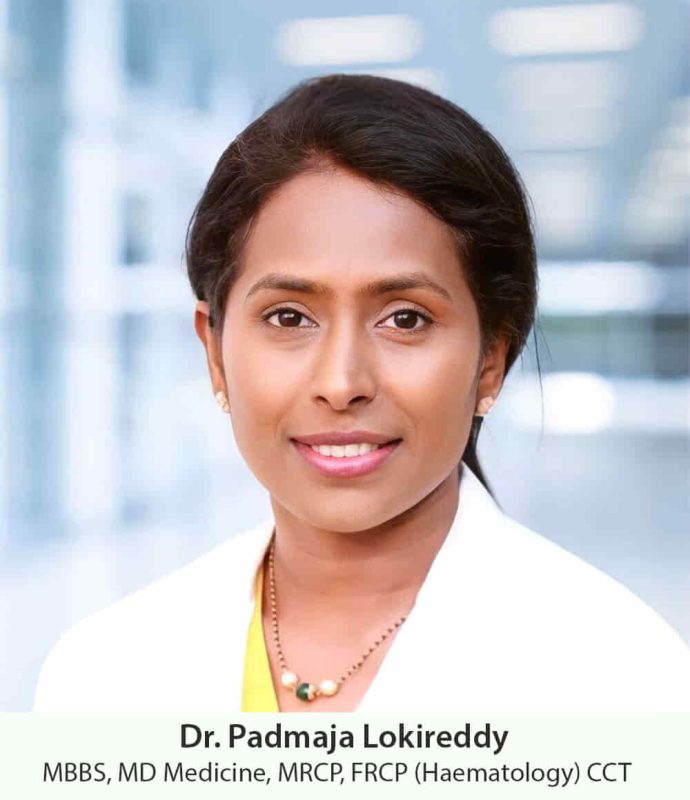
Dr. Padmaja Lokireddy is a highly respected Hemato Oncologist, Bone Marrow & Stem Cell Transplant Surgeon with years of experience in the field. She earned her postgraduate degree in internal medicine from the prestigious Manipal Academy of Higher Education and continued her studies and worked in the UK for about 13 years.

0
Years of experience

0
Patients Treated

0%
Success rate
AWARDS
India Brand Icon Award – 2020
India Brand Icon Award for Healthcare Excellence (Hemato-Oncology & Bone Marrow Transplant) By Time Cyber Media.
Meritorious Award
Meritorious Award in the field of Hematology and Transplant by International Biographic centre, Cambridge 2016.
International Biographic Dictionary, Cambridge
Included in International Biographic Dictionary, Cambridge and recognised in the top 100 physicians for 2016.
India Brand Icon Award – 2020
India Brand Icon Award for Healthcare Excellence (Hemato-Oncology & Bone Marrow Transplant) By Time Cyber Media.
Meritorious Award
Meritorious Award in the field of Hematology and Transplant by International Biographic centre, Cambridge 2016.
International Biographic Dictionary, Cambridge
Included in International Biographic Dictionary, Cambridge and recognised in the top 100 physicians for 2016.