

The Chronic Myeloid Leukaemia (CML) is one kind of blood cancer that predominantly affects bone marrow as well as blood cells. The disease is a result of abnormal blood vessels multiply rapidly, which can cause complications with normal blood production. Chronic myeloid Leukaemia is a chronic condition that is slow-growing compared to other forms of leukaemia. However, if it is not treated treatment, it could become life-threatening. Modern medicine has made advancements in treatment treatments, the lives of patients have significantly improved.
What is Chronic Myeloid Leukaemia?
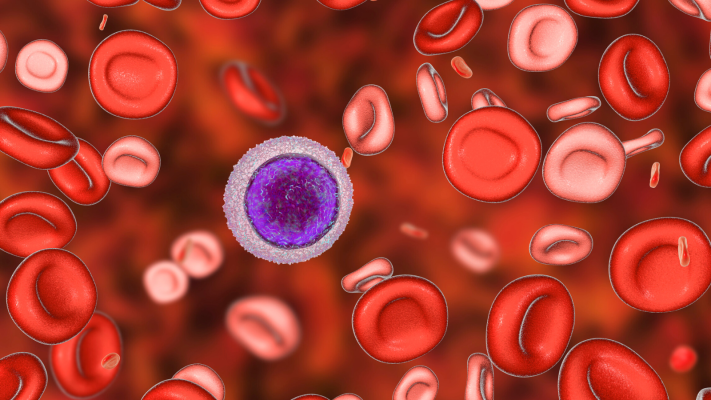
Chronic Myeloid Leukaemia is a type of cancer that affects the bone marrow and blood that originates in the cells that produce the white blood cells. The disease is distinguished through the existence of an genetic change called the Philadelphia chromosome that creates this defective BCR ABL gene. This gene makes the protein that causes uncontrolled cell growth.
The condition is known as “chronic” because it typically develops slower as acute leukaemia. Chronic Myeloid Leukaemia is a condition that can manifest at any time, but it is typically diagnosed in adult patients.
Causes and Risk Factors
The cause of chronic Myeloid Leukaemia isn’t always known, however certain causes increase the risk.
-
Genetic variation The Philadelphia chromosome is the main reason.
-
Age Most cases are observed among middle-aged and older adults.
-
Gender is slightly more prevalent for males than females.
-
Exposure to radiation The presence of high levels of radiation could increase the risk.
Myeloid chronic Leukaemia is not an inherited condition, but is a result of genetic changes that occur during the course of a person’s life.
Symptoms of Chronic Myeloid Leukaemia
In its earliest stages, chronic myeloid leukaemia might not be a cause of obvious symptoms. A majority of patients are diagnosed with regular blood tests. But, as the illness gets worse, symptoms could include:
-
The weakness and fatigue of the body
-
Unexplained weight loss
-
Night sweats
-
The fever is not caused by infection.
-
Spleen is enlarged (causing abdominal pain)
-
Infections that are frequent
-
The possibility of bleeding or bruising is very easy.
-
Joint pain or bone
Because these symptoms are similar with other ailments A thorough medical examination is crucial for a correct diagnosis.
Phases of Chronic Myeloid Leukaemia
The chronic myeloid leukaemia develops in 3 distinct stages:
-
Chronical Phase Most people are diagnosed with this point. The symptoms are not severe and treatment is generally very successful.
-
Accelerated Phase The disease is progressing and the abnormal cells grow faster, leading to more symptoms.
-
Blast Crisis The most serious stage which resembles acute leukaemia where the immature white blood cell increase in uncontrolled numbers.
A prompt diagnosis and early treatment could delay the progression to more advanced stages.
Diagnosis of Chronic Myeloid Leukaemia
Doctors employ a variety of tests to determine if they have the presence of Chronic Myeloid Leukaemia This includes:
-
Total blood count (CBC) – Detects an increase in numbers of white blood cells.
-
Bone Marrow biopsy examines the bone the marrow in search of cancerous cell.
-
Cytogenetic test – Finds the Philadelphia Chromosome.
-
Testing for molecular (PCR test) – Detects the BCR-ABL gene in order to track the response to treatment.
These diagnostic tools aid in determining the severity of the disease and forming a customized treatment program.
Treatment Options for Chronic Myeloid Leukaemia
The latest treatments for chronic myeloid Leukaemia has transformed this condition from a potentially life-threatening disease to a chronic illness that is manageable. The most common treatment options are:
1. Targeted Therapy
The advent of tyrosine Kinase Inhibitors (TKIs) has revolutionized the treatment. The drugs such as dasatinib, imatinib bosutinib, and nilotinib stop the abnormal protein made by the gene BCR-ABL, inhibiting the growth of cancerous cells. The majority of patients respond well and are able to live normal lives.
2. Chemotherapy
Although it is not as widely used chemotherapy is still an option in cases where targeted therapy isn’t efficient.
3. Stem Cell Transplant
In some cases, particularly during advanced phases or when TKIs are not working in certain cases, an stem cell transplant could be recommended. This procedure replaces damaged bone marrow by healthy cells from donors.
4. Interferon Therapy
In certain situations interferon therapy is a treatment to reduce abnormal production of white blood cells.
5. Supportive Care
Antibiotics, blood transfusions, and other medications that manage adverse reactions are essential to ensure the health of patients.
Living with chronic myeloid leukaemia
Chronic myeloid Leukaemia requires ongoing care and monitoring. Patients must:
-
Follow the prescribed medication regularly
-
Keep track of your appointments regularly.
-
Be aware of blood counts and BCR-ABL levels.
-
Stay healthy with an exercise program and a balanced diet.
-
If you require psychological help, seek it out
If they are treated properly, many patients suffering from Chronic Myeloid Leukaemia have long and satisfying lives.
Prognosis and Survival Rates
Patients suffering from Chronic Myeloid Leukaemia has improved dramatically due to targeted therapies. A majority of patients experience long-term remission, and live expectations that are similar to those with leukaemia. Early diagnosis and a consistent treatment are crucial to more favorable outcomes.
Conclusion
Chronic Myeloid Leukaemia is a very serious, but treatable blood cancer. New advances in targeted therapy have significantly increased survival rates and improved quality of living for those suffering from the disease. Monitoring regularly, timely treatment and lifestyle changes are crucial to managing the disease. With the advancements in medical technology and advances in treatment, the future of patients suffering from Chronic Myeloid Leukaemia will continue look bright.
