
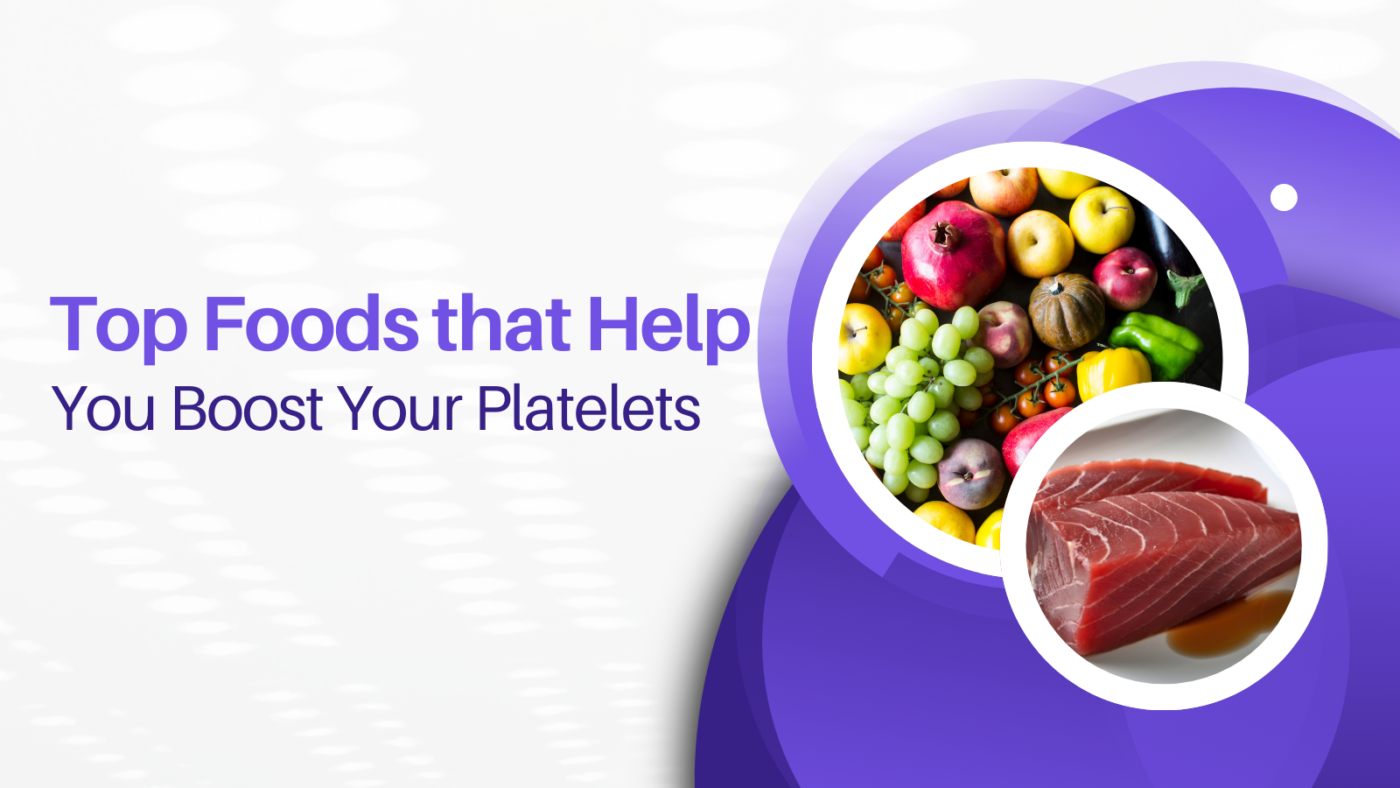
A low level of platelet count may cause fatigue easily bleeding, easy bruising gums and red marks on skin. The majority of my patients are searching for ways to boost their platelet count following dengue, viral infections chemotherapy or other blood conditions. Although food alone can’t be the cure for low platelets but the appropriate diet could aid in boosting platelet count and stopping further decline.
Foods that are rich in iron, vitamin C folate, antioxidants and traditional remedies such as the extract of papaya leaf amla, pomegranate, along with drumstick leaves, are used to boost platelet counts.
What causes lower platelet count?
Platelets are blood cells that aid in helping the body to stop bleeding by making the clots. A healthy platelet count usually ranges between 150,000 and 450,000 microliters of blood.
Anything less than this may be a sign of thrombocytopenia.
Common causes are:
- Infections Dengue, malaria Chikungunya and dengue fevers are known to reduce the number of platelets.
- Medical treatments Certain chemotherapy drugs, certain antibiotics as well as blood thinners.
- Autoimmune disorders ITP: Immune thrombocytopenic purpura (ITP).
- Food deficiencies Low folate B12, folate, or iron.
- Bone Marrow Disorders reduced platelet production.
Important If your count is lower than 100,000 or less, you should see a doctor immediately.
The Best foods that can Boost Platelets
Diet plays a vital part in the process of recovering platelets. Here are the most effective examples of food categories, organized according to purpose:
Vitamin C-Rich Foods (Platelet Protection)
Vitamin C increases blood vessel strength and boosts platelet function. A lack of vitamin C can impede healing.
- Citrus fruits: Oranges, lemons, sweet lime (mosambi)
- Amla (Indian gooseberry) It is packed with vitamin C as well as antioxidants.
- Guava: high in vitamin C and fiber
Drink a glass of fresh amla juice or orange juice into your daily routine to help with platelet recovery.
Iron-Rich Foods (Blood Building)
Iron is vital for red blood cell production and the formation of platelets. A low iron level means less platelet production.
- Spinach, beetroot, Fenugreek leaves
- Pomegranate: High in iron as well as antioxidants.
- Sesame seeds and jaggery The traditional Indian iron sources
Try pomegranate or beetroot-carrot juices as well as seeds for snacks.
Folate and Vitamin B12 Dietary Supplements (Bone Marrow Support)
The bone marrow requires folate and B12 in order to make new platelets.
- Lentils and chickpeas. Kidney beans (rajma)
- Milk and eggs
- Fortified cereals
Folate deficiencies are a typical reason for the low level of platelets found in India.
Vitamin C-Packed Foods (Reduce the Damage to Cells)
Antioxidants shield platelets from damage that can be caused by inflammation or infections.
- Papaya The leaves and the fruit are generally recommended to aid in the recovery process during dengue.
- Kiwi, watermelon, berries
- Tomatoes (lycopene-rich)
A few small studies conducted in India have demonstrated that papaya leaf extract could aid in boosting the dengue virus’s platelet count.
Traditional Indian Remedies for Platelets
India has been using natural food sources to help recover platelets:
- Papaya Leaf juice is commonly recommended for dengue, but some studies have suggested benefits for platelets.
- Giloy (Tinospora cordifolia): Boosts immunity usually in combination with the tulsi (holy Basil).
- Drumstick (Moringa) leaves high in vitamins C and A iron, calcium, and.
- The seeds of the pumpkin contain zinc, which is essential for the bone marrow’s immune system and bone health.
The Expert’s Perspective
As an expert consultant hematologist I believe that food alone seldom results in a significant increase the number of platelets. The most crucial nutrients that affect platelet production and overall blood flow include vitamins B12 (found in all meats dairy products, eggs, and meat) and the folic acid (found in leafy green vegetables).
Iron is primarily used to help hemoglobin however, it does not help platelets, but not hemoglobin. In actual fact, no food has a strong scientific proof of increasing platelets in a direct manner including the extract of papaya leaves in dengue sufferers, where only a few studies have proven benefits.
When platelets decrease due to conditions such as ITP or liver disease or viral infections bone marrow problems Diet alone is not enough. Medical treatment is crucial to determine the cause and treat.
Foods that improve the health of platelets can aid the healing process and stop the loss of platelets in cases of nutritional deficiencies. However, drastic or sudden drops in platelets shouldn’t be handled at home on your own. Take immediate action in the case abrupt drops in the platelet count.”
Things to avoid if Platelets are low
Certain foods may affect the function of platelets or increase the risk of bleeding:
- Alcohol reduces the production of platelets within bone marrow.
- The excess of ginger and garlic are both natural blood thinners and may cause thinning of blood when consumed in large quantities.
- Processed food and sugary drinks cause swelling and slow healing.
- Natural remedies without supervision may be incompatible with medicines.
Food-friendly Platelet Plan Examples
Here’s how to combine dishes that increase platelets in your daily diet:
- Breakfast Amla juice and veggie upma with spinach
- Mid-morning The Papaya or the pomegranate seeds
- Lunch Brown rice, dal and the leaves of drumsticks, beetroot, curd
- Evening Guava or Kiwi slices
- Dinner Roti served with palak paneer and salad, with lemon juice and tomato
- Bedtime Warm glass of milk made from turmeric (for general immunity)
This kind of meal plan helps platelet function and is also boosting immunity.
Last Takeaway
Foods that help platelets, like amla , papaya, pomegranate or spinach, drumstick leaves and citrus fruits will aid in boosting your recovery. But, food is supportive and however, it’s not curative. A persistent or severe thrombocytopenia needs medical attention. Next step If you or a loved ones has low platelet counts, book a appointment for a specialized diagnosis and treatment that is individualized.
