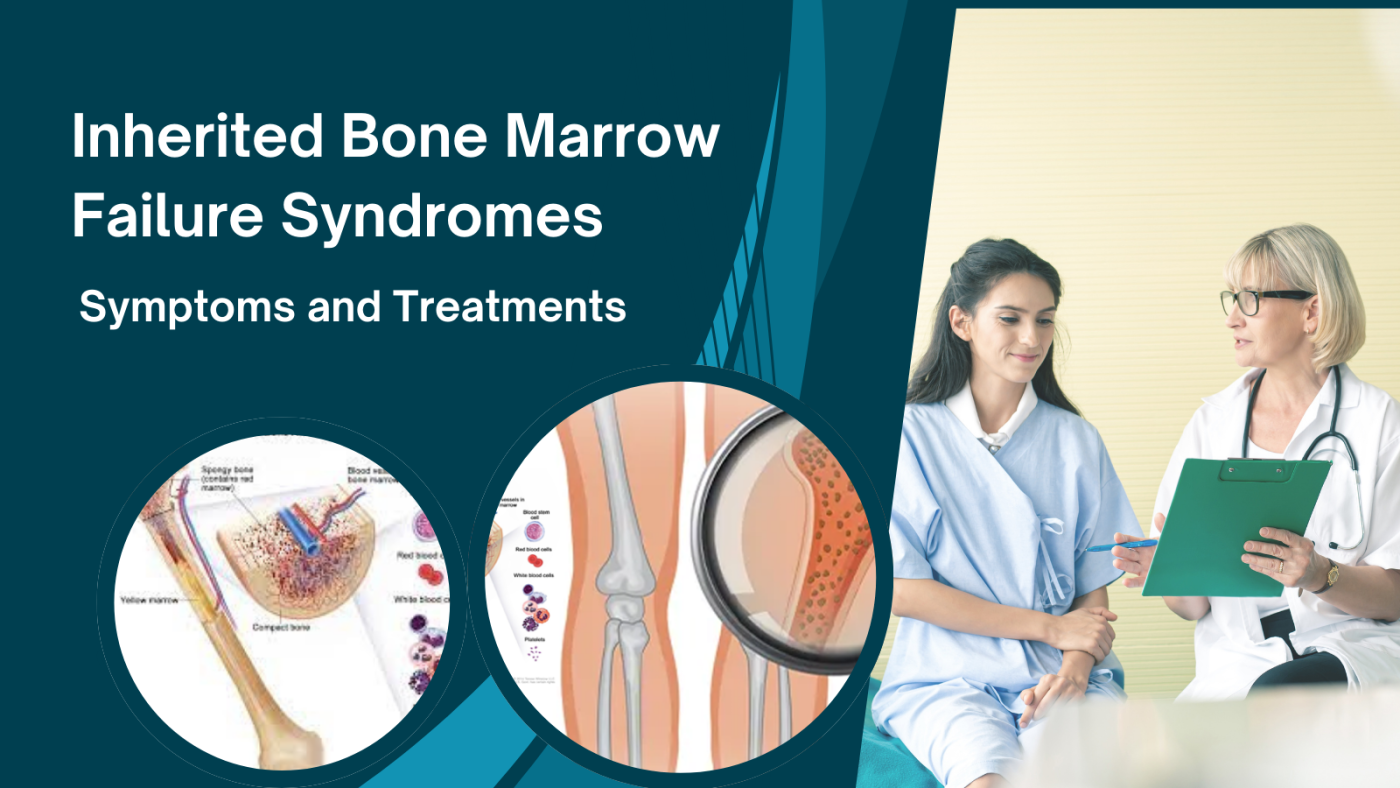
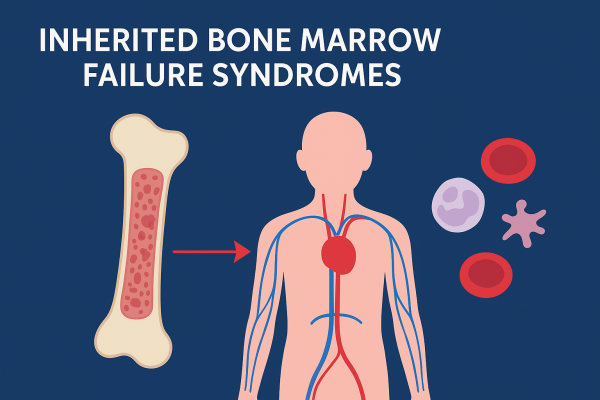
Inherited Bone Marrow Failure Syndromes (IBMFS) are a set of rare genetic disorders that impact the capacity of bone marrow to produce good blood cells. Bone marrow is the softer bone tissue that produces white blood cells as well as platelets. When genetic mutations affect the process, patients suffer chronic health issues that could include anemia, frequent bleeding problems, infections, and a higher chance of developing cancers, such as leukemia.
Over the last two decades, research on inherited bone marrow insufficiency syndromes has advanced dramatically and has helped doctors offer more accurate diagnoses and genetic counselling and treatment options. Understanding these conditions is vital to detect them early and provide supportive treatment and long-term care.
What Are Inherited Bone Marrow Failure Syndromes?
The inherited bone marrow failure disorders are not caused by a genetic defect but rather are passed on via genes. In contrast to bone marrow dysfunction acquired due to external causes like toxins, drugs or autoimmune disorders, The inherited form is present in the beginning due to genetic disorders.
These disorders are caused by the malfunction in the hematopoiesis (the formation of blood) that can cause:
-
Anemia (low red blood cells)
-
Leukopenia (low levels of white blood cells)
-
Thrombocytopenia (low platelets)
The consequence is impaired oxygen transport in the body, weakened immunity, and a bleeding tendency.
Common Types of Inherited Bone Marrow Failure Syndromes
1. Fanconi Anemia
Fanconi anemia is one of the most widely known inherited bone marrow dysfunction syndromes. The cause is a defect in the DNA repair genes. Patients with Fanconi anemia typically exhibit birth abnormalities, short stature, and skin pigmentation problems along with progressive bone marrow loss. They are at a higher risk of developing acute myeloid lymphoma or solid tumors.
2. Dyskeratosis Congenita
This is due to faulty maintenance of the telomere. Patients may exhibit distinctive features such as nails that are not normal or skin pigmentation. oral leukoplakia. In time the bone marrow fails and can lead to dangerous cells.
3. Diamond-Blackfan Anemia
This rare disorder is caused by the failure in the production of red blood cells. Children typically experience severe anemia during one year of their lives. There are also craniofacial, limb, or heart issues.
4. Shwachman-Diamond Syndrome
The condition most commonly affects the pancreas and bone marrow. Patients can present with the symptoms of neutropenia, skeletal disorders, and pancreatic insufficiency, which can cause malabsorption and slow growth.
5. Congenital Amegakaryocytic Thrombocytopenia (CAMT)
CAMT is distinguished by the absence of megakaryocytes—the cells that create platelets. Infants with low platelet counts and frequent bruising and bleeding issues.
6. GATA2 Deficiency
A rare genetic disorder that can cause immunodeficiency, bone marrow loss, and a higher chance of developing leukemia. The majority of patients are diagnosed in late adolescence or even young adulthood.
Clinical Features of Inherited Bone Marrow Failure Syndromes
Patients with inherited bone marrow failure syndromes are prone to various symptoms, such as
-
Pallor and chronic fatigue caused by anemia
-
The frequent infections are caused by low white blood cell count
-
Nosebleeds, easy bruising or prolonged bleeding due thrombocytopenia
-
Anomalies in physical structure (e.g. the limbs, limb anomalies or short stature, skin changes)
-
Organ dysfunctions or developmental delays in certain disorders.
-
An increased risk of developing cancers particularly leukemia and solid tumors
Diagnosis of Inherited Bone Marrow Failure Syndromes
Diagnosis is made up of the clinical examination along with laboratory examinations and genetic tests.
Important steps include:
-
Complete Blood Count (CBC): Reveals low levels of one or more kinds of blood cells.
-
Bone Marrow Biopsy : It determines the cellularity of the marrow and does not exclude causes due to trauma.
-
Study of Cytogenetics: Detect chromosomal instability, which is common with Fanconi anemia.
-
Longest Telomere Measurement : Essential to Diagnose Dyskeratosis Congenita.
-
Genetic Test: Confirms specific mutations that are linked to IBMFS.
-
Screening of Family Members: Helps identify asymptomatic carriers and provides genetic counseling.
Early detection is crucial to begin proper treatment and monitoring for the risk of cancer.
Treatment Approaches for Inherited Bone Marrow Failure Syndromes
Supportive Care
-
Transfusions of blood to treat anemia and the thrombocytopenia
-
Antibiotics to treat chronic infections
-
Growth factors, such as G-CSF, to increase the production of white blood cells
Hematopoietic Stem Cell Transplantation (HSCT)
-
Presently, it is the the only curative treatment for the majority of genetic bone one marrow failure syndro
-
The success of the transplant depends on matching the donor to the patient’s age and general health
-
The best results are obtained with an early transplantation prior to progression to leukemia.
Emerging Therapies
-
The gene therapy is being studied to fix genetic flaws
-
Specific therapies are designed to treat issues such as immune dysfunction
-
The development of new medications to improve telomere function for dyskeratosis congenita is under investigation.
Prognosis and Long-Term Outlook
The outlook for inherited bone marrow failure syndromes differs based on the severity, condition, and treatment timing. Early detection and timely intervention like HSCT can significantly increase the chance of survival. Monitoring regularly for the development of cancer and organ-related complications is essential.
With the advancements in genetic medical science as well as stem cell studies, the prospects for patients suffering from an inherited bone marrow dysfunction syndrome are improving.
Genetic Counseling and Family Planning
Because these disorders are inherited, genetic counseling is essential for families affected by the syndrome. It aids:
-
Consider the possibility of recurrence in siblings
-
Guide reproductive planning that includes options such as Preimplantation Genetic Diagnosis (PGD)
-
Offer emotional support and education for families and patients
Conclusion
IBD Marrow Failure Disorders are rare yet grave genetic disorders that interfere with the normal production of blood cells. They don’t just affect the hematopoietic process but can also affect multiple organs, which can cause chronic health problems. Early diagnosis and supportive treatment, as well as stem cell transplantation, are the mainstays of treatment. Research in genetic therapies could lead to better and safer treatments in the coming years.
