
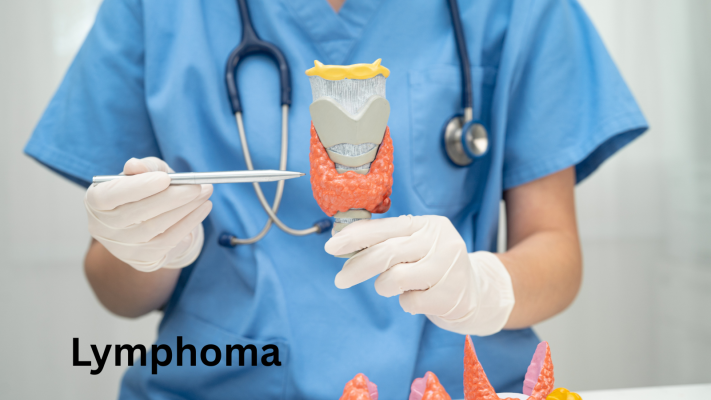
Lymphoma, a form of cancer, originates within the lymphatic system. It is an important network that is responsible for defending the body from infection and maintaining the balance of fluids. In contrast to many cancers that grow as solid tumors, lymphoma impacts the immune system and blood and spreads to multiple parts within the human body.
As the number of cases increases across the globe, educating patients about lymphoma is more crucial than ever. Being able to detect it early and having access to advanced treatments have significantly increased the chances of survival. But a lot of people aren’t aware of the signs of risk factors, symptoms, and the treatment. This blog offers a comprehensive analysis of lymphoma and provides vital information for caregivers, patients, and even the general public.
What is Lymphoma?
Lymphoma is a type of blood cancer that is caused by lymphocytes, which are the white blood cells that fight infections. Lymphocytes normally grow to multiply, die, and then stop in a sequence. The genetic mutations that cause lymphoma trigger these cells to multiply in uncontrolled ways, causing a flurry of abnormal cells and weakening the immune system.
Main Categories of Lymphoma
-
Hodgkin Lymphoma (HL):
-
The presence of Reed-Sternberg cell structures under the microscope.
-
A little less common, but very manageable.
-
Most often, the diagnosis is seen among young adults and those who are older.
-
-
Non-Hodgkin Lymphoma (NHL):
-
It is responsible for about 90% of all cases of lymphoma all over the world.
-
There are more than 60 subtypes that range from slow-growing (indolent) to abrasive.
-
Common subtypes: Diffuse large B-cell lymphoma (DLBCL), follicular lymphoma, mantle cell lymphoma, and Burkitt lymphoma.
-
Global Impact and Awareness
-
Lymphoma is among the most frequent cancers that affect the blood.
-
Non-Hodgkin lymphoma is one of the 10 most prevalent cancers in the world.
-
The 15th of September is celebrated on September 15 as World Lymphoma Awareness Day, which aims to educate people, dispel misconceptions, and promote early detection.
The awareness campaign not only encourages early diagnosis but also helps reduce the stigma surrounding cancer among people, which allows patients to get treatment immediately.
Risk Factors of Lymphoma
Lymphoma doesn’t always have an identifiable root, but certain elements can increase the risk of developing it:
-
Age-related NHL occurs frequently for older adults. HL can also affect younger people.
-
Immune system weakness: HIV, organ transplants, or autoimmune diseases.
-
History of the family: Genes could play an important role.
-
The infections are infections caused by viruses like Epstein-Barr virus (EBV), human T-cell leukemia virus (HTLV-1), hepatitis C, or Helicobacter pylori.
-
Exposure to environmental hazards: chemicals, pesticides, or radiation.
-
Lifestyle elements: Chronic stress, poor nutrition, and smoking could indirectly influence.
Symptoms of Lymphoma
Lymphoma symptoms can be akin to common illnesses, which can lead to a delay in diagnosis. The most important signs are
-
Lymph node swelling: Painless lumps in the armpit, neck, or groin.
-
Inexplicable fever Low-grade, persistent fevers.
-
Sleepy sweats Dry sweat, particularly during sleep.
-
Weight loss that is not intentional: Losing over 10 percent body weight in just six months.
-
Persistent fatigue: Feeling weak despite rest.
-
Rashes or itchy skin.
-
Insomnia and abdominal pain.
Every patient is not afflicted with every symptom, which makes the need for a clinical examination essential.
Diagnosis of Lymphoma
The accuracy of diagnosis is vital since treatment is dependent on the stage and subtype.
Diagnostic Procedures:
-
Physical Exam: Checking lymph nodes as well as the liver and spleen.
-
blood tests: to measure blood counts and organ function.
-
Imaging Tests:
-
CT scans and MRIs to see inside.
-
PET scan to determine cancerous activity and its spread.
-
-
biopsy It is the gold standard of tests in which lymph node tissue is examined.
-
Bone Marrow Aspiration Finds out whether cancer has infiltrated the bone marrow.
-
Genetic and molecular diagnostic tests: Identifies specific mutations that can be used to determine the best treatment.
Staging of Lymphoma
Staging refers to the extent to which cancer has been able to spread.
-
Phase I: One lymph node organ or region.
-
Phase II : There are two or more areas that are on each side of the diaphragm.
-
phase ||| : Both sides of the diaphragm can be affected.
-
Phase IV : It can spread to lymph nodes into bone marrow, liver, or lung tissue.
Additional classifications like “A” (without signs of systemic illness) as well as “B” (with symptoms of fever, night sweats, or weight loss) further define the prognosis.
Treatment Options for Lymphoma
Modern medicine provides a range of efficient treatments:
-
Chemotherapy:
-
The most common method, which involves drugs to kill cancerous cells.
-
The R-CHOP treatment (Rituximab, Cyclophosphamide, Doxorubicin, Vincristine, and Prednisone) is extensively used to treat NHL.
-
-
Radiation Therapy:
-
High-energy beams target affected lymph nodes.
-
Most often, chemotherapy is used in conjunction with it to achieve more effective outcomes.
-
-
Targeted Therapy:
-
Utilizes specific drugs to attack cancer cells and their markers.
-
Example: Rituximab is a B-cell lymphoma.
-
-
Immunotherapy:
-
Enhances the body’s immune response.
-
It includes monoclonal antibodies as well as checkpoint inhibitors and CAR-T cell therapy.
-
-
CAR-T Cell Therapy:
-
An innovative breakthrough where patients’ T cells are designed to fight lymphoma cells.
-
It is effective in refractory or relapsed cases.
-
-
Stem Cell Transplant:
-
Replaces bone marrow that is diseased using healthy, healthy cells.
-
Recurrent or advanced instances.
-
Living with Lymphoma
Treatment for lymphoma is not the only option. Patients should focus on:
-
Nutrition: High-protein, antioxidant-rich diet to strengthen immunity.
-
Training: Light to moderate exercise to increase fitness.
-
Mental health groups of support, counseling, and stress-reduction techniques.
-
Aftercare: Regular scans and examinations to determine the remission or recurrence.
Research and Advances
The research continues to revolutionize lymphoma treatment. Some of the most significant developments include:
-
Sequencing of the next generation to find genetic mutations.
-
Customized medicine to provide a customized treatment.
-
Drug approvals for new drugs that target rare subtypes.
-
Combination treatments that increase the rate of remission.
These advancements have dramatically increased survival rates, particularly for lymphoma that is aggressive.
Importance of Awareness and Early Detection
Awareness can save lives. Patients often delay seeking medical treatment due to inexperience with the signs. Public education campaigns emphasize:
-
Identifying warning signs before they become obvious.
-
Needing medical attention immediately.
-
Assisting in clinical trials and research.
-
Supporting the community for families and patients.
Conclusion
Lymphoma is a difficult but treatable cancer that is becoming more common. Modern advances in diagnosis and treatment have made recovery and survival possible for a lot of patients. Awareness campaigns, specifically in the month of World Lymphoma Awareness Day, are vital in spreading awareness as well as reducing stigmas and encouraging early detection.
By providing information to individuals, it helps them recognize the signs early, seek promptly for treatment, and increase the chances of a successful recovery.
