
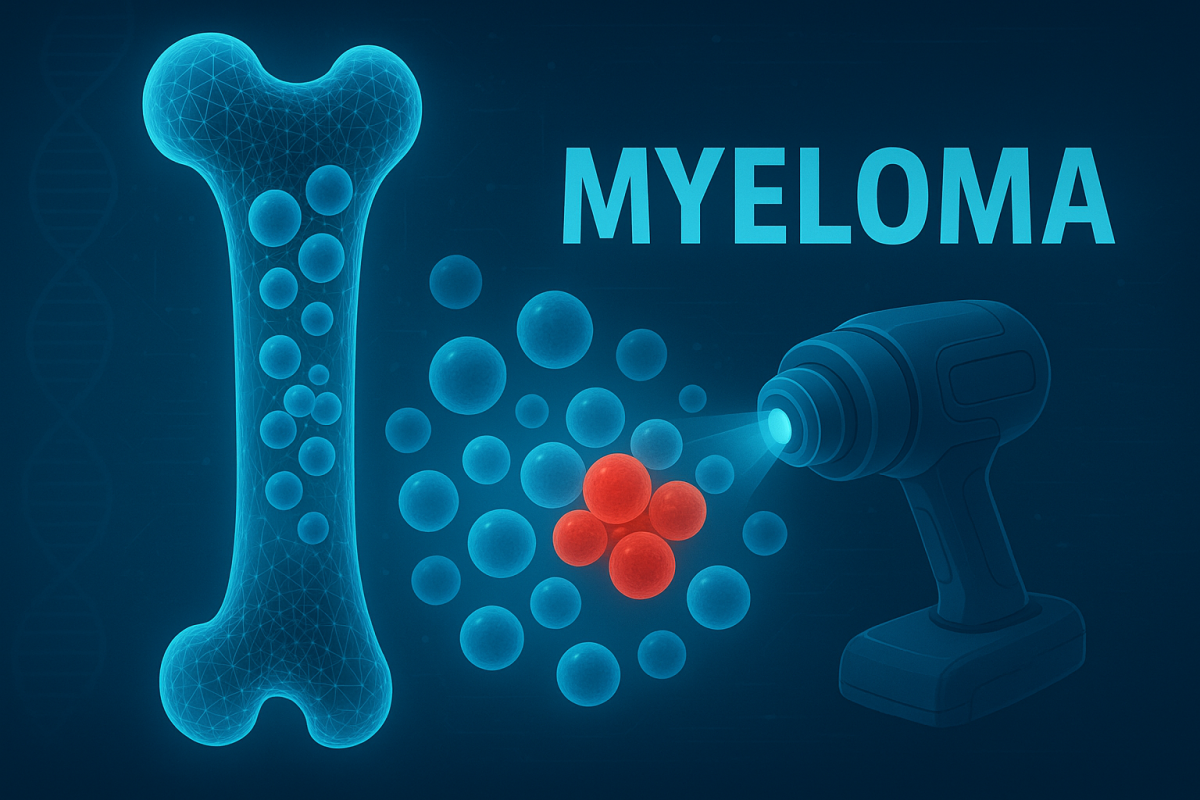
Myeloma is a serious and complex condition that needs to be treated immediately. Myeloma is relatively rare in comparison to other cancers. However, it can have a significant impact on a person’s life if detected early. This guide provides an in-depth analysis of myeloma, its causes, symptoms, diagnosis, and treatments.
What Are Myeloma Symptoms and Causes?
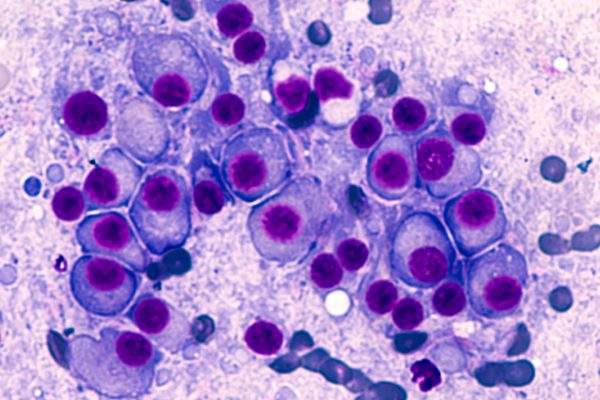
Myeloma is also known as multiple myeloma. It is a cancerous condition that begins in plasma cells. These cells are found in bone marrow and are part of your immune system. They are primarily responsible for producing antibodies to fight infection. These plasma cells grow uncontrollably and abnormally in myeloma. They crowd out healthy blood and cause various complications.
Types, Stages, and Myeloma Symptoms
There are many different types of myeloma.
-
Multiple myeloma is the most common form.
-
Asymptomatic (smoldering) myeloma: Early stage with no symptoms.
-
Solitary plasmacytoma: A single cancerous area, whether in soft or bone tissue.
Each form has a different treatment and progression rate.
Risk factors and common causes of disease
It is still not known what causes myeloma, but there are several factors that increase the risk of its development.
-
Age Most patients are older than 60.
-
Gender: Men are more affected by this than women.
-
Race: African Americans have a greater incidence.
-
Your Family Tree: Genetics may play a part.
-
Obesity and exposures to radiation or chemicals can also cause obesity.
These risk factors can be used to encourage early detection and monitoring.
Myeloma Symptoms
The early symptoms of myeloma are subtle, but they become more pronounced as the disease advances.
-
Bone Pain, particularly in the back or ribs
-
Anemia causes fatigue
-
Recurring infections caused by a weakened immune system
-
High calcium levels can cause nausea, constipation, or confusion
-
Kidney Damage or Dysfunction
-
Weight loss with general weakness
Early detection can be difficult without testing, as these symptoms can overlap.
Diagnosing Myeloma Symptoms and Complications
Doctors typically perform multiple tests to confirm the diagnosis of myeloma.
-
Blood Tests to detect abnormal protein or low blood counts
-
Urine Analysis To look for Bence-Jones protein
-
Bone Marrow Biopsy To evaluate plasma cell activity
-
Imaging, such as X-rays, MRI, or PET scans, for bone damage assessment
A precise diagnosis is essential to designing the best treatment plan.
Myeloma Staging
The staging method is used to classify the severity of a disease. It allows doctors to determine the best treatment and outlook. These stages include:
-
Stage I: Symptoms are minimal, and the disease is relatively mild
-
Stage II : Intermediate stage with more prominent findings
-
Stage||| : Advanced stage of disease with complications such as bone lesions and kidney problems
The severity of a condition is determined by markers like beta-2 microglobulin or albumin.
Treatment options for myeloma
While myeloma cannot be cured at this time, it can be treated. There are several options.
1. Chemotherapy
It can be used either before or after any other treatment to destroy rapidly dividing myeloma.
2. Targeted Therapy
Cancerous cells are targeted by drugs like carfilzomib and lenalidomide.
3. Immunotherapy
It boosts your body’s natural defense system, which helps you to detect and destroy cancer cells.
4. Stem Cell Transplant
Stem cell transplants are often used to regenerate healthy cells that form blood after high-dose chemotherapy.
5. Radiation Therapy
Locally applied to reduce pain or tumors on affected bones.
Each treatment plan is tailored to the patient’s age, stage of disease, and general health.
How to Manage Myeloma
To live with myeloma, you will need a combination of medical care, emotional support, and lifestyle changes.
-
Follow-up regularly to monitor the treatment response
-
Consume a diet that is balanced and rich in nutrients
-
Maintain strength by engaging in moderate to mild exercise
-
Stress management through mindfulness groups, counseling, or support groups
-
Stay healthy by following good hygiene practices and getting your vaccines on time
With the right attitude and care, many patients can continue to live active and meaningful lives.
Latest developments in myeloma treatment
The latest research advances are giving hope to myeloma sufferers:
-
CAR T-cell therapy is A type of immunotherapy in which the patient’s cells are modified to fight cancer
-
Bispecific antibodies are designed to direct immune cells to destroy myeloma cells.
-
Precision Medicine: Customizing treatments based on the genetic profile of a patient’s cancer
The quality of life and survival rate for many people are improved by these innovations.
Conclusion
Myeloma can be a deadly blood cancer, but it is treatable with early detection and personalized treatment. Patients can enjoy improved outcomes with the help of medical science.
Consult a medical professional if you experience any unusual symptoms, such as persistent fatigue or bone pain. Early intervention can make a big difference in the management of myeloma.
