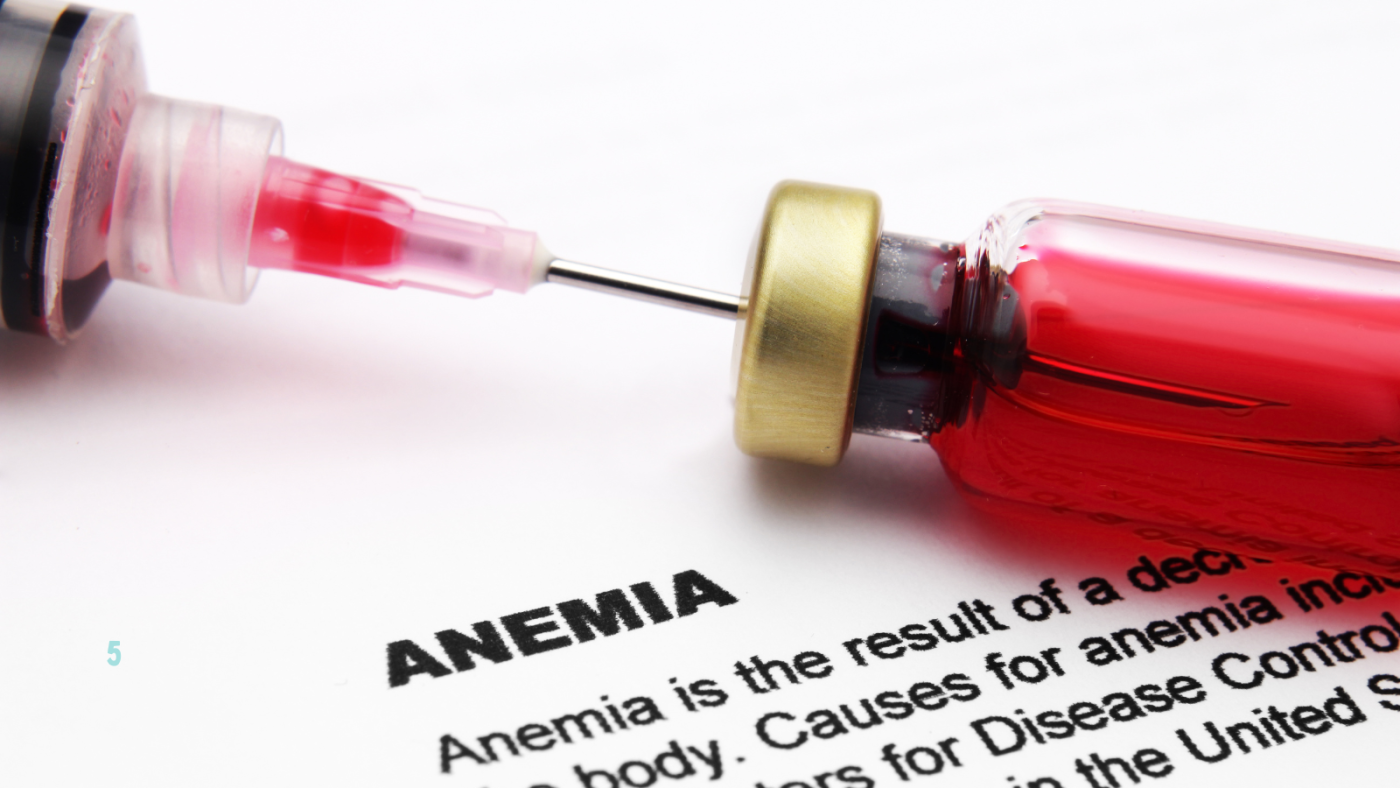
Are you exhausted all the time? Do you constantly feel tired? Are you looking pale? This could be a sign of a widespread but neglected condition dubbed anemia. It affects millions around the world and can develop at any time. The positive side? It’s often treatable once you’ve identified the root cause. This article explores Anemia Symptoms and Treatment in a simple and comprehensive way.
Let’s look at what anemia is, why it occurs, how to recognize early signs, and the most effective methods to treat and prevent anemia.
What Is Anemia?
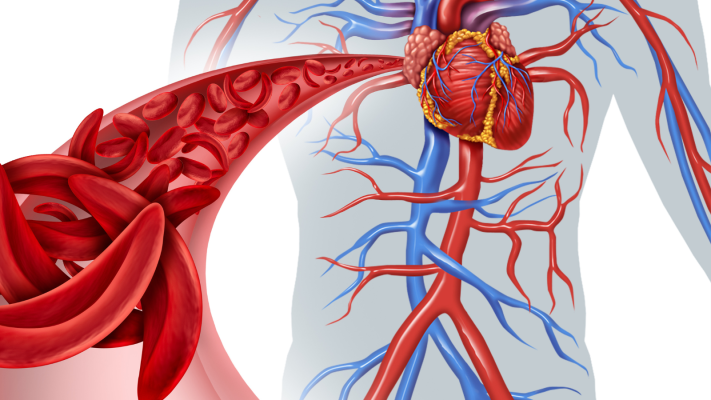
Anemia is a condition that occurs when the body isn’t able to produce sufficient good red blood cells, or hemoglobin. Hemoglobin is the component in your red blood cells that transports oxygen from your lungs to the rest of your body. If your hemoglobin level is low, your tissues and organs do not receive the oxygen they require to work properly.
This deficiency in oxygen causes fatigue, weakness, and other symptoms that are commonly related to anemia.
Types of Anemia
There’s no one type of anemia. Here are a few of the most commonly encountered kinds:
-
Iron deficiency anemia: The most prevalent kind, often caused by a lack of iron in your diet or because of blood loss.
-
Vitamin Deficiency Anemia The cause is an insufficient amount of vitamin B12 as well as folate, both of which are vital for the production of red blood cells.
-
Aplastic anemia An uncommon condition that causes bone marrow to not make enough blood cells.
-
Hemolytic Anemia It occurs when the red blood cells get destroyed earlier than they can be created.
-
Sickle Cell Anemia An inherited condition that alters the form and function of red blood cells.
Each one has its own basis, but all have the same issue: your body isn’t receiving enough oxygen.
What Causes Anemia?
Anemia can result from many causes. The most frequent causes are
-
Insufficient nutrition: Especially a diet low in the iron mineral, vitamin B12, or folate.
-
Blood loss that is chronic: It could be due to heavy menstrual flow or ulcers, internal bleeding, or frequent blood donation.
-
Chronic diseases: Kidney disease, cancer, or autoimmune diseases could reduce the production of red blood cells.
-
Conditions that are genetically inherited, such as thalassemia or sickle cell disease.
-
The pregnancy process increases the demand for iron and other essential nutrients.
Signs and Symptoms of Anemia
Not everyone experiences symptoms right away. In the case of mild cases, anemia is often not noticed. As it becomes more severe, you may be able to recognize
-
You feel tired or weak throughout the day
-
Skin that is pale or yellowish
-
Feeling faint or dizzy
-
Cold feet and hands
-
Shortness of breath, particularly during exercise
-
Fast or irregular heartbeat
-
Headaches, difficulty concentrating, or even a headache.
If you experience any of these symptoms, you should consider having a blood test.
How Is Anemia Diagnosed?
Anemia diagnosis is typically simple by performing a comprehensive blood count (CBC) test. The test measures the levels of
-
Hemoglobin
-
Hematocrit (the percentage of blood red cells present in the blood of your patient)
-
The number of red blood cells
If your CBC indicates low hemoglobin levels or red blood cells Additional tests can be performed to determine the reason behind it, such as testing the iron levels, vitamin B12, and folate levels.
How to Prevent Anemia
The best method to avoid anemia is to ensure that your body has the nutrients it requires, including iron, B12, folate, and iron.
Here’s how:
Eat Iron-Rich Foods:
-
Leafy greens such as spinach or Kale
-
Liver and red meat
-
Lentils and beans
-
Pumpkin seeds
-
Fortified cereals and cereals fortified with vitamins and
Increase Vitamin C Intake:
Vitamin C aids your body in absorbing iron more effectively. Combine iron-rich foods:
-
Citrus fruits and oranges
-
Tomatoes
-
Bell peppers
-
Strawberries
Don’t Skip B12 and Folate:
-
B12 is present in fish and meat as well as dairy products and eggs.
-
Folate is present in leafy vegetables, bean peas, and whole grains.
If you’re a vegetarian or vegan You may require supplements to meet your B12 requirements.
Regular Checkups:
Regular health checks help to detect anemia early. This is particularly crucial for pregnant women, individuals, children, and those who are elderly.
Treatment Options for Anemia
Anemia Symptoms and Treatment vary depending on the underlying cause. The most common treatment options are:
-
Iron supplementation: Usually taken orally for a few months, until levels return to normal.
-
Vitamin B12 and folate injections/tablets If you suffer from anemia, which is caused by these deficiencies, you should consult your doctor.
-
Changes in diet Long-term, sustainable approach to avoid repetition.
-
Treatment of underlying diseases, such as kidney illness or internal bleeding.
-
Transfusions of blood: In severe cases when immediate correction is required.
-
Erythropoietin injections are used in chronic diseases such as kidney diseases to boost the production of red blood cells.
Why You Shouldn’t Ignore Anemia
Anemia can begin as mild fatigue. However, if it is not treated, it could lead to
-
Heart problems such as arrhythmias, heart failure
-
Problems during pregnancy, including preterm birth
-
Learning difficulties and delayed growth in children
-
Infections are more frequent, and the immune system is weaker.
It is essential to recognize and deal with anemia before it turns into a major issue.
Final Thoughts
Anemia Symptoms and Treatment are important to understand because anemia is a common occurrence. However, it doesn’t mean that it has to be overlooked. If you are aware of it, eat right, and get timely health advice from a physician, the condition is completely manageable, and often it’s preventable.
If you’re often feeling unusually weak or tired, you should consider an easy blood test. Do not wait until symptoms get more serious. The sooner you act, the better off you are in safeguarding your health, energy, and well-being by recognizing Anemia Symptoms and Treatment early.
If you are suffering from anemia, please consult this specialist.
Contact US