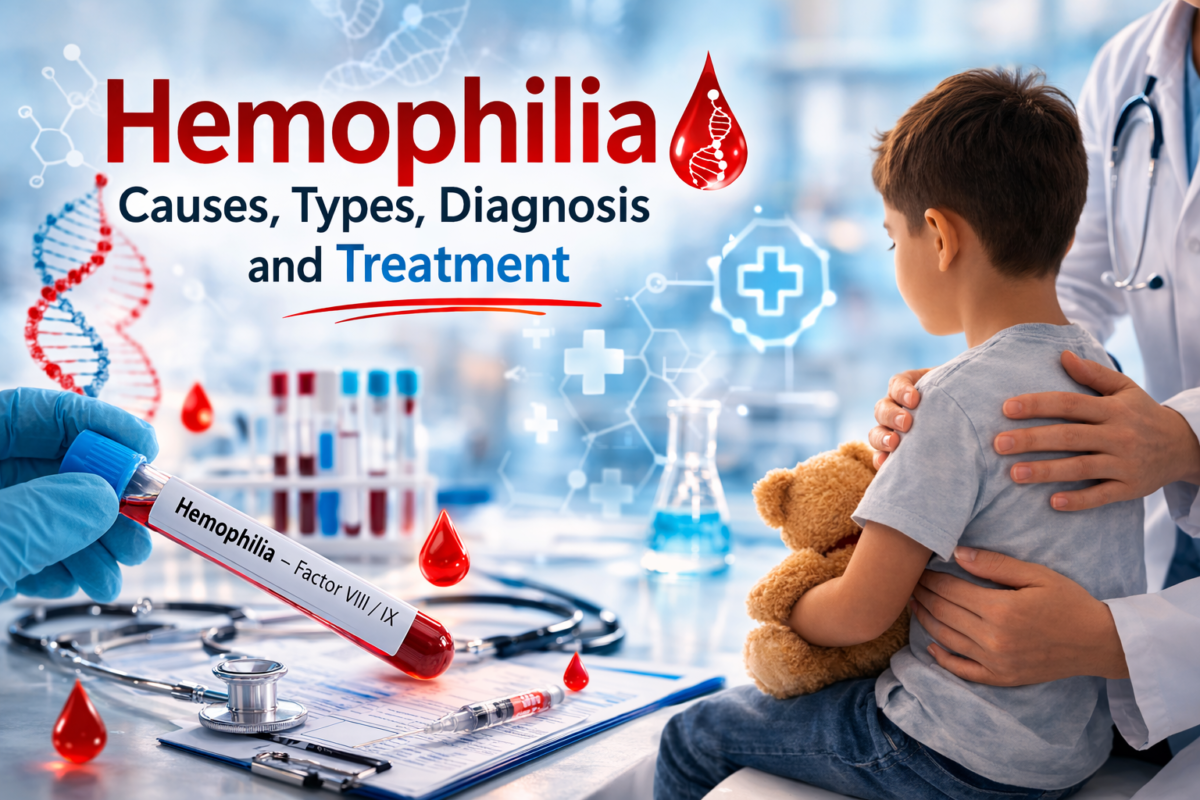
Hemophilia is an uncommon bleeding disorder that is genetic in nature. blood doesn’t clot correctly. When a person suffers injury, proteins found in blood called clotting factors cooperate to stop the bleeding. For people suffering from hemophilia, one of the clotting factors is absent or is present in low quantities, causing an extended period of bleeding. This can lead to excessive bleeding from even minor injuries, and in extreme cases, internal bleeding from muscles and joints.
Hemophilia predominantly affects males but females tend to be carrying the genes that causes the condition. While it’s a long-lasting condition, new treatments have allowed people with hemophilia to live an active and healthy life.
Causes of Hemophilia

Hemophilia is typically caused by an genetic change within the gene that produce factors for clotting. The genes that cause this are on the X the chromosome. Because males only have one X chromosome single gene that is defective can trigger the disorder. Females are blessed with two X chromosomes which means that if one of them has this mutation, other compensates and they are carriers more than those affected.
Common Causes
1. Inherited Genetic MutationsMost cases of hemophilia originate from parents. If you have a mother who is carriers of the hemophilia gene there is a 50% chance her son will develop hemophilia and 50 percent likelihood that their daughter also become the carrier.
2. In some instances hemophilia can develop without family background. It’s due to an unanticipated genetic mutation that affects the gene that is responsible for the production of clotting factors.
3. Acquired HemophiliaRarely it is possible that hemophilia develops later in life as a result of the immune system fighting blood clotting factors. This is known as acquired hemophilia. It is more prevalent among older adults and during pregnancy.
Types of Hemophilia
Hemophilia is mostly classified according to the clotting factor which is not functioning properly.
1. Hemophilia A
Hemophilia A is by far the most prevalent type. It results from a deficiency of the clotting factor VIII (8). It is responsible for more than the majority of cases of hemophilia all over the world.
It could be a sign of:
-
Numerous nosebleeds
-
Excessive bleeding after injuries
-
Joint swelling and pain
-
Easy bruising
2. Hemophilia B
Hemophilia B, which is also known in the form of the Christmas disease is caused by an insufficiency of the clotting factor IX (9). It is less prevalent than Hemophilia A, however it shares similar symptoms.
3. Hemophilia C
Hemophilia C can be a very rare condition that results from a lack of the factor XI. It’s usually less severe than other forms and affects males and females equally.
Symptoms of Hemophilia

The severity of the symptoms varies on the level at which the levels of clotting factor exist in your blood. Some people have mild symptoms, whereas some suffer from intense bleeding episodes.
Common Symptoms
-
Long-term bleeding following traumas or cuts
-
Numerous nosebleeds
-
Easy bruising
-
The joint is bleeding, causing swelling and pain.
-
Urine or stool blood
-
Excessive bleeding after surgery or dental procedures
In extreme cases, internal bleeding in joints like elbows, knees, and ankles could cause persistent joint pain and damage.
Children with hemophilia can exhibit symptoms like unprovoked swelling, bruising, or bleeding following vaccinations.
Diagnosis of Hemophilia
It is essential to identify the condition early to manage hemophilia effectively. Doctors employ a variety of tests to determine the severity of the problem.
1. Blood Clotting Tests
The blood tests are used to determine how long the time it takes blood to form clots. If the process is slower than usual the tests will be repeated.
2. Clotting Factor Tests
The tests are designed to measure the concentrations of specific clotting factors present in the blood. They can determine if the patient is suffering from Hemophilia A or B, and the severity of the condition.
3. Genetic Testing
Genetic tests reveal the specific mutation that causes hemophilia. This is particularly helpful to identify female carriers and for planning a family.
4. Prenatal Testing
If a family has hemophilia as a factor test results from prenatal testing can reveal the condition in babies who are not yet born.
Treatment of Hemophilia
While hemophilia is not completely eliminated, there are several ways to can reduce bleeding and help prevent complications.
1. Clotting Factor Replacement Therapy
It is the most popular method of treating hemophilia. The missing clotting factors are injected into the bloodstream to aid in helping the blood clot correctly.
There are two major types:
-
In-demand treatment is given when bleeding occurs
-
Treatment for preventive purposes (prophylaxis) – given often to stop bleeding episodes
2. Desmopressin (DDAVP)
For patients who suffer from mild Hemophilia A the medication known as desmopressin may stimulate the body to produce more clotting factor VIII.
3. Antifibrinolytic Medicines
These medicines stop blood clots from forming too fast. They are typically used during dental procedures, or for minor surgeries.
4. Gene Therapy
Gene therapy is a new treatment that seeks to fix the defect in the gene responsible for hemophilia. Early research has shown promising results and offer hope for a long-term cure.
5. Physical Therapy
The repeated bleeding of joints could cause joint injuries. Physical therapy can help to strengthen muscles and improve joint mobility.
Living with Hemophilia
Hemophilia sufferers can lead an ordinary life with the right treatment and treatment. A few important measures for living include:
-
Avoiding contact sports which could result in injuries
-
Maintaining good dental hygiene to prevent gum bleeding
-
Notifying healthcare providers prior to surgery or dental work
-
Having regular medical check-ups
-
How to control the bleeding at home
Parents of children who have hemophilia are also required to educate their caregivers and teachers about the condition, so that they are able to respond quickly in the event of an injuries.
Complications of Hemophilia
If not managed properly hemophilia could result in serious complications like:
-
Joint damage that is chronic
-
Insufferable internal bleeding
-
Infections resulting resulted from blood transfusions (rare these days due to safe blood products)
-
The development of inhibitors that block treatment for clotting factor
Regular monitoring and the right treatment can drastically reduce these risks.
Conclusion
Hemophilia is a chronic bleeding disorder that is caused by a lack of blood clotting factors. Although it could lead to serious complications if left untreated advancements in medical treatments have significantly improved the standard of living for those suffering from the disease. Early diagnosis, appropriate medical treatment and education are essential to tackling hemophilia in a way that is effective.
Modern therapies, such as replacement of clotting factors and the emergence of gene therapy, people suffering from hemophilia can lead full and fulfilling lives. The increasing awareness of this condition can also lead to the early detection of this condition and improve outcomes for patients.
If you notice any symptoms or have concerns about Hemophilia, it is important to seek medical advice at the earliest. Early diagnosis and proper treatment can help manage the condition effectively. For expert evaluation and advanced care, consider consulting one of the best hematologists in India.
