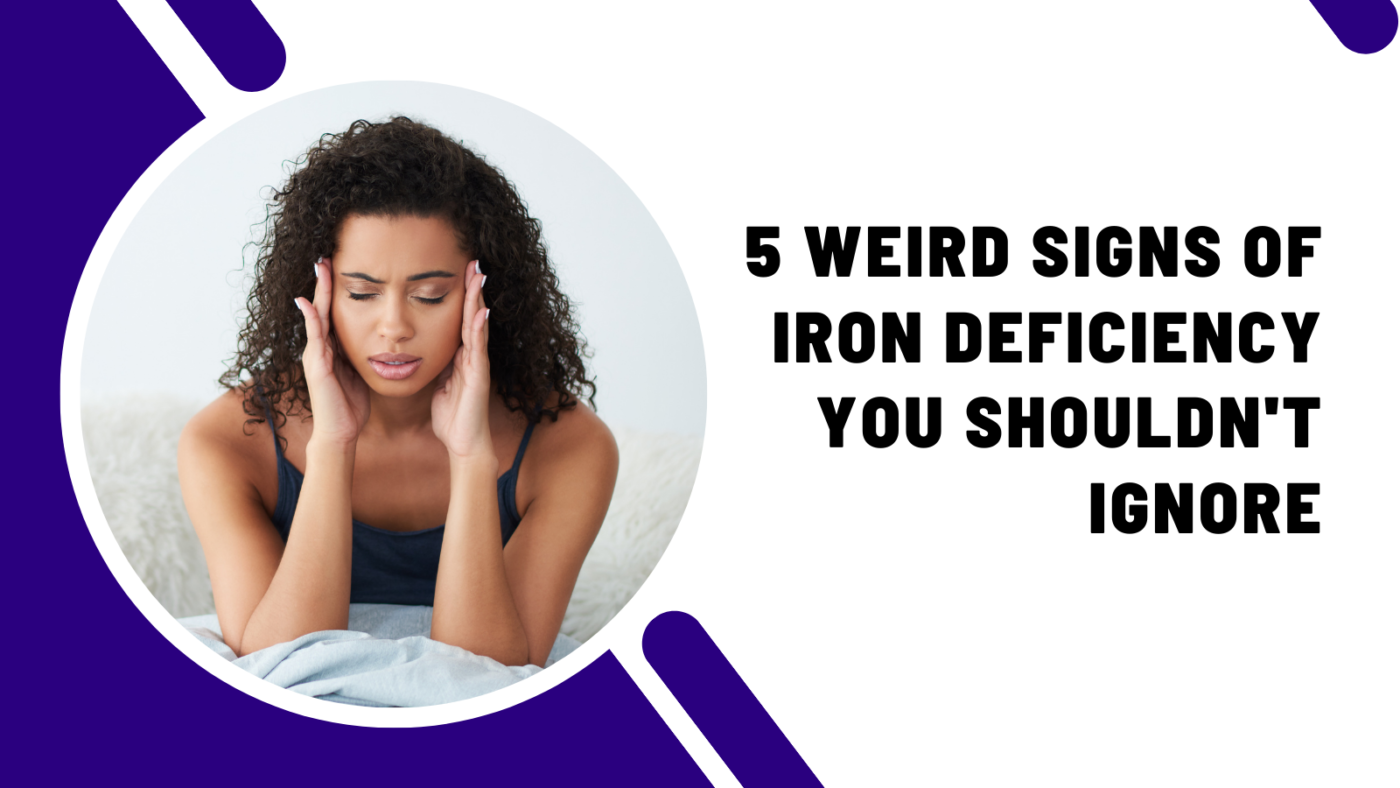
A deficiency in iron is one of the most frequent nutritional issues throughout the world, yet it is often neglected. Although weakness and fatigue are typical signs of iron deficiency, they may manifest in unexpected and unusual ways that are not normally related to the presence of low levels of iron.
Be aware of these less-known indicators could help avoid anemia and its long-term health issues. This article, we examine five odd but recognized medical signs for iron deficiencies. We also outline when is the appropriate time to seek medical assistance.
How can iron deficiencies be detected?
Iron is essential in hemoglobin production, the protein found in red blood cells which is responsible for transferring oxygen throughout your body. If the iron levels are low, the oxygen supply is reduced, which can affect a variety of organs and systems.
Iron deficiency can occur due to:
- Poor dietary intake
- Blood loss
- Poor absorption
- The requirements for iron are rising (growth as well as pregnancies)
In the absence of treatment, this could cause iron deficiency anemia.
1. Food cravings which aren’t food-related (pica)
A baffling signs associated with iron deficiency pica that is a condition where people are prone to craving non-food items.
Common cravings can include:
- Ice
- Soil or clay
- Chalk
- Paper
Chewing on Ice (pagophagia) is extremely common and is frequently omitted. While the cause isn’t obvious, studies have connected pica to high concentrations of iron.
The constant hunger for food as well as food items should not be ignored.
2. Hair that is excessively long or thin fall
Iron plays a crucial role in the growth of hair as well as the health of hair follicles. If iron stores diminish, the body’s attention is focused on other organs, including hair, this can lead to:
- Loss of hair growing
- Hair loss
- Regrowth of hair at slow speed
This type of loss is generally prevalent, and can affect all of the scalp, not just patches.
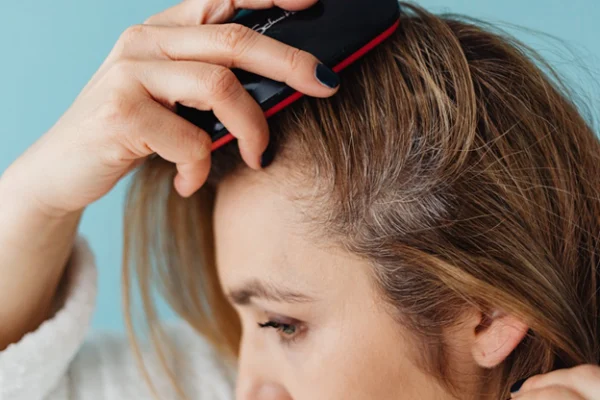
Note: It is important to remember that hair loss caused by iron deficiency is treatable by proper treatment.
3. A strange breathlessness
A feeling of fatigue during daily activities like climbing stairs or walking shorter distances can be a warning signal.
Low iron means:
- Reduction in oxygen transport
- Heart rate increased faster to compensate
- Fatigue and breathlessness at the beginning
Many people mistake this for stress or a lifestyle that is unhealthy, and that is the reason they put off getting the proper diagnosis.
4. Lips, skin or eyelids
Iron deficiency decreases hemoglobin levels and may affect the color of blood and circulation of blood.
Be on the lookout for indicators to watch out for:
- Skin tone pale
- Lips with a light hue
- Pale inner lower eyelids
The sign is usually evident in sunlight it could be a sign of visible early warning from anemia.
5. The nails are either round or spoon-shaped.
Changes in the appearance of nails can be an indication of nutritional issues.
Iron deficiency may cause:
- Narrow, fragile nails
- Vertical Ridges
- Spoon-shaped nails (koilonychia)
The changes in nails are usually gradual and can be a sign of of a persistent high iron content.
Who is at the highest the risk of having iron deficiency?
- Women who experience excessive bleeding in menstrual cycles
- women who have become expecting
- Vegan and vegetarians
- Teens and children
- People who suffer from digestive problems
A regular screening program is vital for those at risk groups.
When is the ideal time to go to an ophthalmologist?
If you are experiencing a variety of symptoms or persistent changes A medical exam is crucial.
A physician may suggest:
- Blood tests (hemoglobin ferritin level)
- Changes in diet
- Iron Supplements (only in the event of a need)
Do not take self-medication because excessive iron can cause harm.
What are the treatments for deficiency in iron?
The treatment is based on the root cause and the degree of the problem.
- Iron-rich diet (heme and non-heme sources)
- Oral iron supplements
- Addressing the root cause of the problem, such as blood loss
Early intervention can help speed recovery time and can help avoid problems.
Conclusion
Iron deficiency may not always present by displaying obvious symptoms. From cravings for ice or nail issues, the body may provide subtle warning signs prior to when anemia gets serious. Identifying these indicators early can be a major difference in the treatment, diagnosis and overall health results.
If you experience any of these symptoms, a simple blood test could provide clarity and immediate action to restore focus, vitality, and a feeling of being well.
