
Pernicious anemia is a form of megaloblastic anemia that is caused by vitamin B12 insufficiency due to a lack of absorption of the stomach. It is regarded as an autoimmune disorder since the body attacks gastric parietal cells, or the intrinsic factors that are that is required to facilitate Vitamin B12 absorption. Because vitamin B12 is a key component in DNA production, red blood cell development, and neurological health, a deficiency can result in severe neurological and hematological problems. It is crucial to recognize the condition early and promptly manage it. is essential to avoid long-term damage.
Understanding Pernicious Anemia
Pernicious anemia is a condition that occurs when stomachs fail to produce enough intrinsic factor, which is a protein that is essential to ensure Vitamin B12 absorbance in small intestinal tracts. Even with a healthy diet of B12 people with this condition are unable to absorb the vitamin as effectively. As time passes, the deficit can lead to an the production of abnormal red blood cells and neurological impairment.
This disorder is more prevalent among older adults and those who suffer from autoimmune diseases such as thyroid diseases and type 1 diabetes or the vitiligo. Genetic predisposition plays part, since pernicious anemia can be found through families.
Causes of Pernicious Anemia
The most common reason for the dangerous anemia lies in an immune reaction. However, a variety of factors are involved in its development:
1. Autoimmune Destruction
-
The immune system makes antibodies that target intrinsic factor, also known as gastric parietal cells.
-
This blocks vitamin B12 absorption in the ileum.
2. Gastric Disorders
-
Atrophic gastritis causes an enlargement of the stomach lining and a decrease in internal factor creation.
-
Patients who have had the history of having gastric surgery or a chronic Helicobacter Pylori infections are at a higher risk.
3. Genetic Predisposition
-
The family history of the patient increases the risk of developing anemia pernicious.
-
Genetic markers with certain characteristics are linked to an increased risk.
4. Other Contributing Factors
-
Proton pump inhibitors (PPIs) and metformin.
-
Autoimmune conditions such as Addison’s Disease and Lupus.
-
The aging process can result in a decrease in the production of stomach acids.
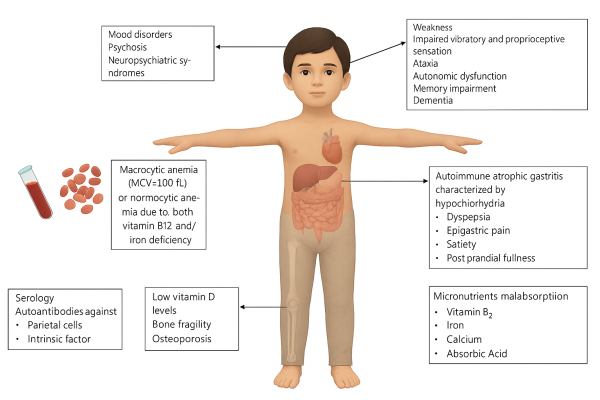
Symptoms of Pernicious Anemia
The signs of pernicious anemia begin slowly and could initially appear subtle. But as the condition worsens symptoms of clinical signs are evident.
Hematological Symptoms
-
The weakness and fatigue of the body
-
Skin and mucous membranes
-
A shortness of breath, particularly when you are working out
-
Heartbeats that are irregular or rapid
Neurological Symptoms
-
Tingling and numbness in hands as well as feet (peripheral neuropathy)
-
It is difficult to walk or maintain balance.
-
Memory issues and cognitive decline
-
Changes in mood, such as depression and anger
Gastrointestinal Symptoms
-
Appetite loss
-
Weight loss
-
Glossitis (red, swollen tongue)
-
Constipation or diarrhea
If untreated, neurological issues can be irreparable.
Diagnosis of Pernicious Anemia
A complete health history and physical exam as well as laboratory tests are crucial for determining the cause.
1. Blood Tests
-
Complete Blood Count (CBC): Shows macrocytic anemia characterized by massive red blood cells.
-
Serum Vitamin B12: Reveals low vitamin B12 levels.
-
Methylmalonic acid (MMA) and Homocysteine levels: Elevated levels indicate B12 deficiencies that are functional.
2. Antibody Tests
-
Insic Factor Test for Antibody: Finds evidence of an autoimmune predisposition.
-
Parietal Cell Antibody Test: Supports diagnosis in certain situations.
3. Additional Investigations
-
Bone Marrow Examining: May show megaloblastic changes.
-
Gastroscopy and Biopsy: It is used to assess gastric mucosa and detect gastritis atrophic.
The early diagnosis is crucial in order to avoid irreparable nerve injury to the nerve.
Complications of Pernicious Anemia
If left untreated, anemia that is pernicious may lead to serious health issues:
-
Permanent nerve damage
-
Alzheimer’s disease or cognitive impairment
-
Heart failure caused by chronic anemia
-
Greater risk of developing gastric cancer
-
Clustering of autoimmune diseases
A prompt diagnosis can help avoid the majority of issues.
Treatment of Pernicious Anemia
Treatments aim to fix vitamin B12 deficiency and treat symptoms. Since the production of intrinsic factors is affected the oral supplementation can be not effective.
1. Vitamin B12 Replacement
-
Intramuscular Injections Cyocobalamin or Hydroxocobalamin injections are the most common treatment.
-
High-Dose B12 Oral Supplements: May be effective in certain situations, but with limited absorption.
-
Nasal and Sublingual forms: Different options are available for specific patients.
2. Lifelong Therapy
-
Most patients require lifelong vitamin B12 replacement.
-
Regular monitoring helps ensure a proper treatment response.
3. Symptom Management
-
Neurological symptoms are improved with prompt treatment, however recovery can be insufficient if deficiency has been extended.
-
Anemia-related fatigue disappears within a few weeks after beginning treatment.
4. Dietary Considerations
-
While diet alone can’t treat the condition, ensuring an appropriate intake of foods rich in vitamin B12 like eggs, fish dairy products, fortified cereals is beneficial to overall health.
Prevention and Lifestyle Management
Pernicious anemia cannot be cured because of its auto-immune nature, the consequences can be reduced with prompt diagnosis and a consistent treatment.
-
routine screening: Individuals at risk of being high-risk, like those with a relatives or with autoimmune disorders are advised to undergo regular vitamin B12 tests.
-
regular monitoring: patients on long-lasting B12 therapy require regular monitoring to ensure steady blood counts and control of symptoms.
-
The Healthy Food Diet The addition of iron, folate and protein help to maintain the production of red blood cells.
-
medical awareness: The patients should be trained to recognize early neurological signs.
Prognosis of Pernicious Anemia
In the long run, many patients lead regular, healthy lives. The early intervention improves blood count within a few weeks, and helps prevent further decline in the neurological system. But, if the condition is not treated, it could lead to irreparable complications. Continuous monitoring and compliance to treatments are crucial to ensure health and quality of life.
Conclusion
Pernicious Anemia can be described as a long-term condition that is caused by an impaired intake of vitamin B12 due to an intrinsic factor deficiency. It is characterized by neurological, hematological, and digestive symptoms that can worsen if not treated. The diagnosis is based on the results of blood tests, antibody tests and gastric assessment. Vitamin B12 replacement for life is the foundation of treatment and ensuring that patients lead happy lives. Recognition, early detection and continued treatment are essential to avoid irreparable complications.
