
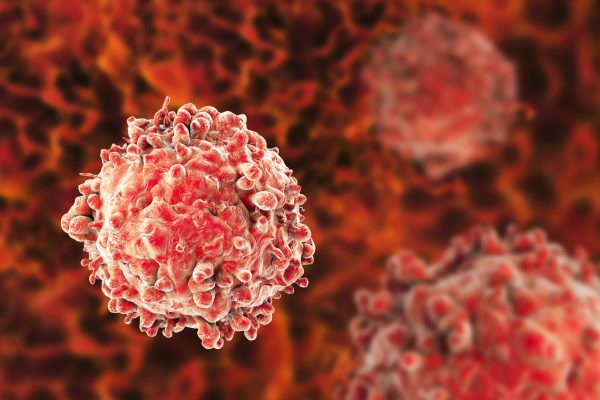
Leukemia is a kind of blood cancer that usually begins with subtle signs. It isn’t always accompanied by rapid or sudden signs making it difficult to detect early. This article gives a concise outline of leukemia, its symptoms, its diagnosis and why a thorough understanding of the disease is crucial for prompt intervention.
What Is Leukemia?
Leukemia is tumor of bone marrow and blood. It is usually caused by the bone marrow, the spongy tissues inside bones responsible for the production of blood cells. Leukemia is a condition where the bone marrow makes unnatural white blood cells which don’t work properly.
The abnormal cells can rapidly multiply, crowded out healthy blood cells and hindering the body’s ability to:
-
Beware of infections
-
Transport oxygen efficiently
-
Control bleeding
Types of Leukemia
Leukemia is classified based on the speed at which it develops (acute or ongoing) and the blood cells that suffer (lymphoid or myeloid):
-
Acute Myeloid leukemia (AML) – Rapid development affected myeloid cells
-
Acute Lymphoblastic Cancer (ALL) – Rapid development; affects lymphoid cells
-
Chronic Myeloid leukemia (CML) – Slower progress It it affects myeloid cells
-
Chronic Lymphocytic Leukemia (CLL) – A slower progression, it can affect lymphoid cells
Each requires a different set of methods of diagnosis and treatment.
Common Symptoms of Leukemia
Leukemia symptoms can be unclear and often confused with common ailments and general fatigue. It could be:
-
Insistent weakness or fatigue
-
Recurring or frequent infections
-
Bleeding or bruising that is not explained
-
Unexplained weight loss
-
Chills or night sweats
-
Swollen lymph nodes
-
Pale skin
-
Low-grade fever or fever with a low-grade
-
Joint pain or bone
-
Breathing shortness
The symptoms may not show at the same time. But, if they persist or are present in a group medical examination is recommended.
Diagnosis of Leukemia
Leukemia diagnosis typically requires a combination of following:
-
Examination of the physical
-
Total blood count (CBC) to assess the red and white blood cell levels
-
Testing for imaging like CT scanning or X-rays
-
Testing for genetics to detect specific mutations or chromosomal anomalies
Early detection increases the chance of a successful treatment and recovery.
Treatment Options
The treatment for leukemia varies based on the type, stage the patient’s age and general health. The most common treatment options are:
-
Chemotherapy The main treatment for all types of leukemia.
-
Radiotherapy is used in certain instances to target areas of concern
-
Therapy targeted Drugs targeted at cancer-specific genes, or proteins
-
Bone Marrow (stem cells) transplant replaces damaged bone marrow with healthy donor cells
The treatment may comprise an array of these therapies and may be administered in different stages.
Importance of Early Detection
Leukemia may develop slowly, and the symptoms can be mild or not noticeable in the initial stages. A lot of people ignore the signs or blame them on the aging process, stress or minor illness.
Early detection greatly enhances the treatment outcome and reduces the risk of complications and increases the odds of a long-term Remission.
When to Consult a Doctor
If you have one or more of these symptoms, they may persist or get worse:
-
Constant fatigue
-
Easy bruising
-
Infections that are frequent
-
Unexplained weight loss
-
Night sweats
-
Unknown cause of fever
-
Swollen lymph nodes
Seek medical evaluation promptly. Early testing could be the basis for an early intervention.
Whether you need a routine check-up or specialized treatment, connecting with top medical professionals can provide peace of mind and optimal health outcomes.
Conclusion
Blood cancer is a deadly but increasingly curable form of cancer. Knowing the signs associated with risk factors and treatments options can help people make informed choices about their health. Regular check ups and particular attention to health changes that aren’t explained are crucial for detecting health issues early and better outcomes.
