Introduction
A bone marrow transplant (BMT)–also known as a stem cell transplant from a hematopoietic source (HSCT)–is a powerful medical procedure to treat a variety of cancers and blood-related ailments. Although it is lifesaving, the procedure is complicated and requires careful planning, treatment, and support.
In this blog we’ll discuss the bone marrow transplant procedure, what it involves, who’s qualified, the various kinds, and what you can anticipate prior to, during, and following the procedure.
What Is Bone Marrow?
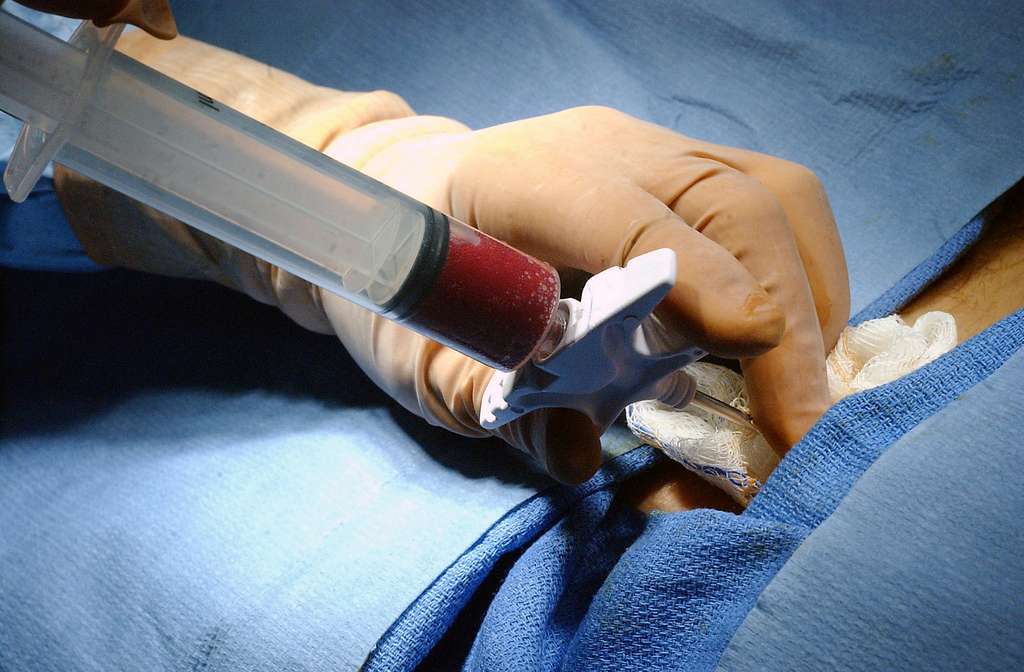
Bone marrow can be described as the soft, spongy tissue that is found in bones. It plays an essential role in the production of stem cells that develop into
-
Blood cells of the red blood (carry oxygen)
-
Blood cells of the white (fight infected)
-
Platelets (help blood clot)
What Is a Bone Marrow Transplant?
A bone transplant replaces diseased or damaged bone marrow cells with well-functioning stem cells. These stem cells could originate from:
-
It is the person (called as an autologous or autologous transplant)
-
The term “donor” refers to a recipient (called an allogeneic transplant)
The aim is to restore your body’s ability to create healthy blood cells.
Who Needs a Bone Marrow Transplant?
Doctors might suggest the use of a BMT for those who suffer from:
-
Leukemia
-
Lymphoma
-
Multiple myeloma
-
Anemia aplastic
-
Severe immunodeficiencies
-
Certain genetic or metabolic disorders
Types of Bone Marrow Transplants
1. Autologous Transplant
Utilizes the patient’s own stem cells. Most often, it is used following high-dose chemotherapy for cancers such as multiple myeloma or lymphoma.
2. Allogeneic Transplant
Utilizes stem cells donated by the donor (often siblings or a non-related match). The most common cause of blood cancers is genetic diseases.
3. Cord Blood Transplant
Utilizes stem cells derived from the umbilical cord blood. It is an option if a matching donor isn’t available.
The Bone Marrow Transplant Process
1. Pre-Transplant Evaluation
Complete testing to make sure the patient is fit enough for the transplant.
2. Conditioning Treatment
High dose chemotherapy or radiation therapy to remove the diseased bone marrow as well as reduce the immune system.
3. Transplant Day (Day 0)
The healthy stem cells of the patient are introduced into bloodstream of a patient.
4. Engraftment
New cells begin to produce healthy blood cells. Usually, this happens in two to four weeks.
5. Recovery and Monitoring
Patients are monitored closely for:
-
Infection
-
Graft-versus-host-disease (GVHD) (for allogeneic transplants)
-
Other issues
Risks and Side Effects
While bone marrow transplants can be generally safe when handled by a professional, There are some risks to consider:
-
Infections
-
Bleeding
-
GVHD
-
Organ problems
-
Fatigue
-
Emotional distress
A specially trained transplant team can help to reduce the risk of these complications.
Life After a Bone Marrow Transplant
The recovery process can last from months to a full year. In this period patients require:
-
Regular Follow-up appointments
-
Treatments to avoid infections or GVHD
-
Emotional and nutrition support
-
Immunization boosters with vaccines
Family or friends, as well as health professionals, are essential to both emotional and physical healing.
Conclusion
An organ transplant may be a vital treatment for a variety of serious ailments. While it’s a long and difficult process, medical advances have made this procedure safer and more efficient than ever.
If you or someone close to you might require an BMT or a BMT, talk to an expert in medical care to discuss the possibilities and receive individualized treatment.
