Anemia is among the most frequent health issues that affect women all over the world, but it is often unnoticed or is largely ignored. Although they may experience symptoms like weakness, fatigue, and dizziness, many women choose to ignore these symptoms and consider them to be to be normal aspects of everyday life. But, if anemia is not treated, it may have serious, long-term effects for health overall and wellbeing.
Understanding Anemia in Women
Anemia happens when the body is deficient in healthy hemoglobin or red blood cells for proper oxygen delivery to tissues. In women, especially those who are in their reproductive years anemia is extremely prevalent because of factors like menstrual bleeding, pregnancy and nutritional deficiency.
Iron deficiency anemia is by far the most frequent type, however different forms such as vitamin B12 deficiency as well as chronic disease-related anemia can also affect women.
Why Women Often Ignore Anemia Symptoms
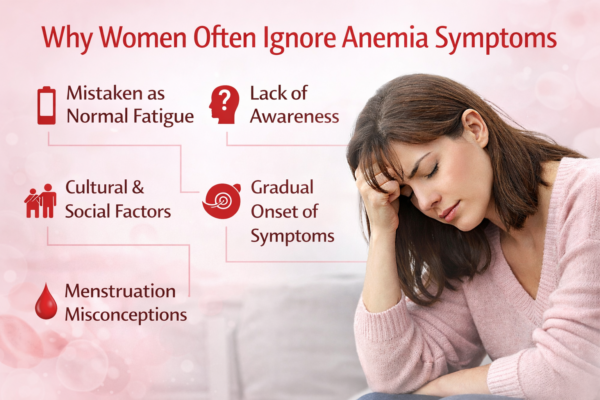
1. Symptoms Are Mistaken as Normal Fatigue
Many women live hectic lives, having to balance work, family and personal obligations. Being fatigued or weak is usually blamed on fatigue or sleep deprivation instead of a medical issue. The normalization of symptoms can lead to a delay in diagnosis.
2. Lack of Awareness
A large number of women are not aware of the signs of anemia or aren’t aware of the severity of their symptoms. The smallest symptoms, such as headaches, pale skin or a shortness of breath are often overlooked.
3. Cultural and Social Factors
In a lot of societies, women put being healthy for their relatives over their own health. Health checkups for regular health are often overlooked, and any symptoms are often ignored until they get serious.
4. Gradual Onset of Symptoms
Anemia is a slow-growing condition in a lot of instances. The gradual decrease in energy levels might not initially be obvious which makes it easy to overlook.
5. Misconceptions About Menstruation
Menstrual bleeding that is heavy is an often-cited reason for anemia, however most women believe it is normal and don’t seek medical advice, unless it causes the development of an excessive weakening.
Common Symptoms of Anemia
The ability to recognize early symptoms is vital to get treatment promptly. Some of the most commonly reported symptoms are:
- Insistent fatigue and weakening
- Skin that is pale or yellowish
- Breathing shortness
- Lightheadedness or dizziness
- Cold feet and hands
- Headaches
- Hair fall, brittle nails, and dry nails
- A rapid or irregular heartbeat
Inattention to these signs can cause health problems to get worse.
Long-Term Impact of Untreated Anemia
1. Reduced Physical and Mental Performance
Chronic anemia can drastically reduce the amount of energy you have, affecting your productivity at work as well as everyday activities. It can also affect concentration as well as memory and cognitive functioning.
2. Complications During Pregnancy
Anemia during pregnancy can cause serious complications, like preterm births, low weight at birth and a higher chance of mortality for the mother. Also, it affects the baby’s growth.
3. Weakened Immune System
The low hemoglobin levels hinder the body’s capacity to fight infections which makes women more prone to diseases.
4. Heart-Related Problems
Anemia that is prolonged or severe forces the heart to perform harder in order to provide oxygen and nutrients to our bodies. This could result in conditions such as irregular heartbeats, or even failure in extreme circumstances.
5. Impact on Quality of Life
Instant fatigue and weakness may lower the quality of your life overall impacting both personal and professional life.
Who Is at Higher Risk?
Certain women groups are more susceptible to anemia
- Women who experience heavy menstrual cycles
- Women who are pregnant and nursing
- Women with a low intake of dietary nutrients
- Adolescents experiencing rapid growth
- Women who suffer from chronic diseases
Prevention and Management
1. Balanced Diet
A diet high of iron, vitamins and minerals is vital. Include food items such as:
- The green leafy vegetable (spinach Kale, spinach)
- Iron-rich food items (lentils beans, lentils meat)
- Vitamin C-rich fruits (oranges and lemons)
- Nuts and seeds
2. Regular Health Checkups
A routine blood test can detect anemia earlier, before symptoms begin to become serious.
3. Iron and Vitamin Supplements
In the event of deficiency, doctors can suggest supplements to restore normal levels.
4. Managing Menstrual Health
Women who have heavy periods need to consult with a physician to find the cause of the problem and get the an appropriate treatment.
5. Awareness and Education
Knowing the importance in recognizing symptoms and seeking prompt medical attention can avoid problems.
When to See a Doctor
If you’re experiencing constant dizziness, fatigue or any other symptoms that are mentioned above, it is crucial to seek medical attention. The early diagnosis and the treatment could help prevent health problems that can last a long time and increase your quality of life.
Conclusion
Anemia is a hidden but serious illness that many women are prone to overlook. It is possible that what appears to be a simple tiredness could actually be an indication of a health issue that is more serious. If you recognize symptoms early, prioritizing your health and seeking medical treatment to prevent the long-term effects of anemia, and live active, healthier lives.
If you have ongoing symptoms or concerns, timely consultation with a specialist is essential. For expert care, consult a best hematologist. For further assistance, please use the contact form to get in touch and schedule an appointment.
