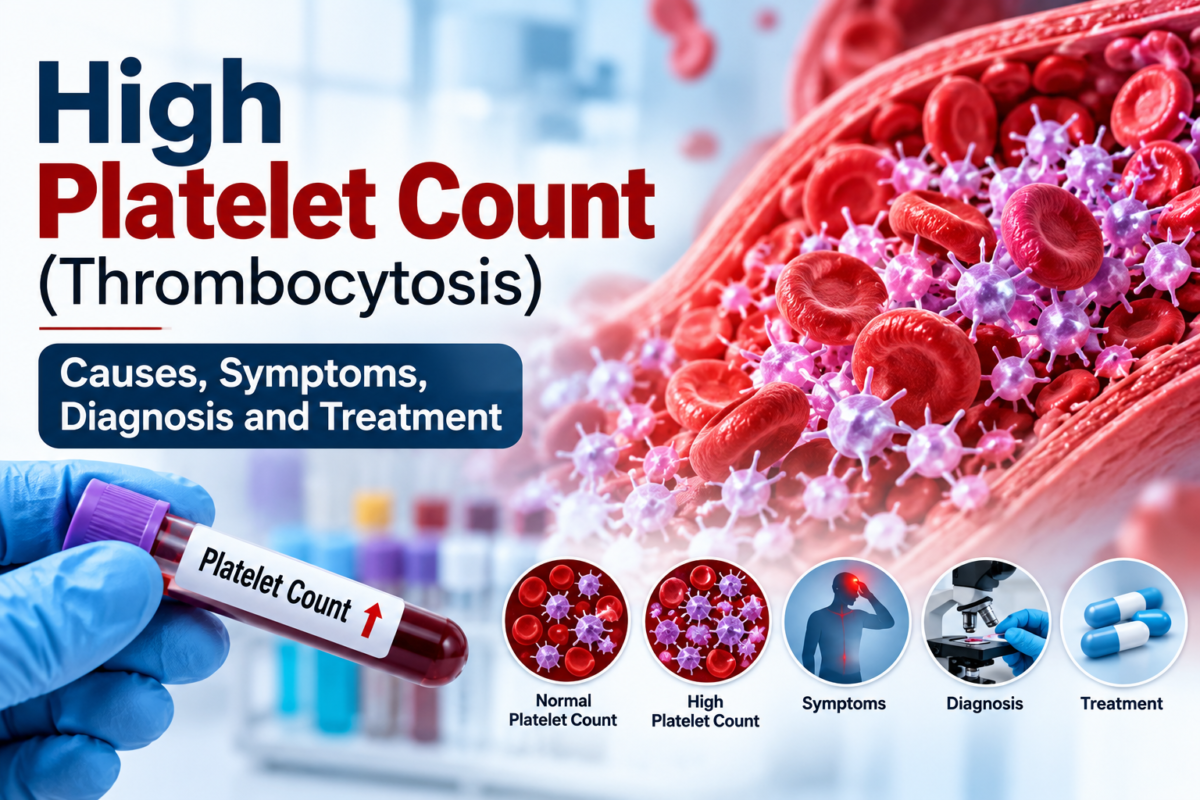
A high platelet count may appear unexpectedly during a routine blood test. While many people associate blood disorders with low platelet levels, having too many platelets can also indicate an underlying medical condition.
Platelets are essential for blood clotting and wound healing. However, an unusually high platelet count, medically known as thrombocytosis, may sometimes increase the risk of abnormal blood clotting or bleeding complications.
Understanding the causes, symptoms, and treatment options can help patients recognise when specialist evaluation is necessary.
What Is a High Platelet Count?
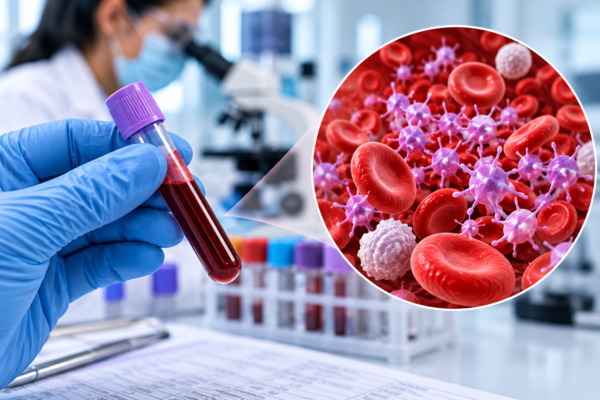
Platelets, also called thrombocytes, are small blood components produced in the bone marrow. Their primary function is to help control bleeding by forming clots when blood vessels are injured.
A platelet count above 450,000 platelets per microlitre of blood is generally considered elevated, although laboratory reference ranges may vary.
A high platelet count does not automatically indicate blood cancer or another serious disease. The significance depends on the underlying cause, how long the count remains elevated, and the patient’s overall health.
What Causes High Platelet Counts?
There are two major categories of elevated platelet counts.
1. Reactive Thrombocytosis
Reactive thrombocytosis, also called secondary thrombocytosis, is the most common form.
It occurs when the body produces additional platelets in response to another medical condition.
Common causes include:
- Iron Deficiency Anemia: Low iron levels may stimulate an increase in platelet production.
- Infections: Bacterial and viral infections can temporarily increase platelet counts.
- Chronic Inflammation: Conditions such as rheumatoid arthritis and inflammatory bowel disease may lead to elevated platelet levels.
- Recent Surgery or Injury: The body may produce more platelets during recovery.
- Blood Loss: Significant bleeding can trigger increased platelet production.
- Certain Cancers: Some cancers may be associated with elevated platelet counts.
- Spleen Removal: Patients who have undergone splenectomy may develop persistently high platelet counts.
In many cases, reactive thrombocytosis improves once the underlying condition is successfully treated.
2. Essential Thrombocythemia
Essential thrombocythemia (ET) is a less common bone marrow disorder belonging to a group of diseases called myeloproliferative neoplasms.
In this condition, the bone marrow produces excessive numbers of platelets, sometimes associated with acquired genetic mutations such as JAK2, CALR, or MPL.
Unlike reactive thrombocytosis, essential thrombocythemia may require long-term monitoring and treatment to reduce the risk of complications.
Common Symptoms of High Platelet Count
Many individuals with elevated platelets experience no noticeable symptoms. The condition is frequently identified during routine blood investigations.
However, some patients, particularly those with essential thrombocythemia, may experience:
- Frequent headaches or dizziness
- Burning sensations in the hands or feet
- Tingling or numbness in the extremities
- Unexplained bruising
- Nosebleeds or gum bleeding
- Temporary vision disturbances
- Fatigue or weakness
Symptoms vary depending on the underlying condition, and not everyone with a high platelet count will develop complications.
Can High Platelet Counts Cause Blood Clots?
An important concern associated with certain platelet disorders is the possibility of abnormal blood clot formation.
Blood clots may interfere with circulation and, in serious situations, lead to complications such as deep vein thrombosis, stroke, or heart attack.
However, the risk is not determined by platelet count alone. The type of disorder, previous clotting history, age, cardiovascular risk factors, and other clinical findings are important.
Patients experiencing sudden chest pain, severe breathing difficulty, facial drooping, or sudden weakness should seek emergency medical care.
How Is Thrombocytosis Diagnosed?
Diagnosing thrombocytosis involves more than identifying an elevated platelet count.
A hematologist may recommend investigations to determine whether the increase is temporary, reactive, or related to an underlying bone marrow condition.
Complete Blood Count (CBC)
A CBC measures platelets, red blood cells, and white blood cells. Repeat testing may help determine whether the platelet elevation persists.
Peripheral Blood Smear
A blood smear allows specialists to examine the appearance of platelets and other blood cells under a microscope.
Iron Studies
Tests such as serum ferritin can help identify iron deficiency, an important cause of reactive thrombocytosis.
Inflammatory Markers
Investigations such as C-reactive protein (CRP) may help identify inflammation or infection.
Molecular Testing
When essential thrombocythemia or another myeloproliferative neoplasm is suspected, molecular tests for mutations involving JAK2, CALR, or MPL may be recommended.
Bone Marrow Examination
Selected patients may require a bone marrow biopsy to assess blood cell production and help distinguish between different bone marrow disorders.
Not every patient with an elevated platelet count needs all these investigations.
Treatment Options for High Platelet Count
Treatment depends on the cause of thrombocytosis, associated symptoms, and individual risk factors.
Treatment for Reactive Thrombocytosis
The primary goal is to address the underlying medical condition.
For example, patients with iron deficiency may require appropriate iron replacement after the cause of the deficiency has been evaluated. Patients with infections or inflammatory disorders may need treatment directed at those conditions.
Platelet counts often improve once the underlying problem is controlled.
Treatment for Essential Thrombocythemia
Management may include:
- Regular monitoring of blood counts
- Low-dose aspirin in selected patients
- Platelet-lowering medications such as hydroxyurea or interferon when clinically appropriate
- Management of cardiovascular risk factors
- Ongoing specialist follow-up
Treatment is individualised. Patients should not start aspirin or platelet-lowering medication without medical advice, as these treatments can increase bleeding risks in certain situations.
When Should You Consult a Hematologist?
Consultation with a hematologist may be appropriate if:
- Your platelet count remains elevated on repeated testing.
- There is no clear explanation for the high platelet count.
- You experience unusual bleeding or bruising.
- You have previously experienced abnormal blood clots.
- Other blood cell counts are also abnormal.
- Your physician suspects an underlying bone marrow disorder.
Early evaluation can help identify treatable causes and determine whether additional investigations are required.
Frequently Asked Questions
Is a high platelet count dangerous?
Not always. Many cases are temporary and related to infections, inflammation, or iron deficiency. Persistent elevations should be evaluated to exclude other conditions.
Does a high platelet count mean blood cancer?
No. Most elevated platelet counts are caused by reactive conditions. However, certain bone marrow disorders, including essential thrombocythemia, are classified as myeloproliferative neoplasms and may require specialist care.
Can iron deficiency cause high platelets?
Yes. Iron deficiency anemia is a recognised cause of reactive thrombocytosis. Platelet levels may improve after appropriate treatment of the iron deficiency.
Can high platelets return to normal naturally?
Platelet counts may return to normal when a temporary underlying cause resolves. Persistently elevated counts should not be ignored.
Which specialist treats high platelet counts?
A hematologist specialises in diagnosing and managing blood disorders, including thrombocytosis, platelet abnormalities, and bone marrow diseases.
Conclusion
A high platelet count should never be ignored, especially when platelet levels remain elevated or are accompanied by unusual symptoms. Early diagnosis, accurate evaluation, and appropriate treatment are essential for identifying underlying blood disorders and preventing potential complications.
If you are searching for the Top hematologist in India for the diagnosis and treatment of thrombocytosis, platelet disorders, or other hematological conditions, choosing an experienced hematology specialist can help ensure personalised care and effective long-term management.
Take the first step towards better blood health. Book an Appointment today for expert consultation, comprehensive blood disorder evaluation, and personalised treatment guidance.
