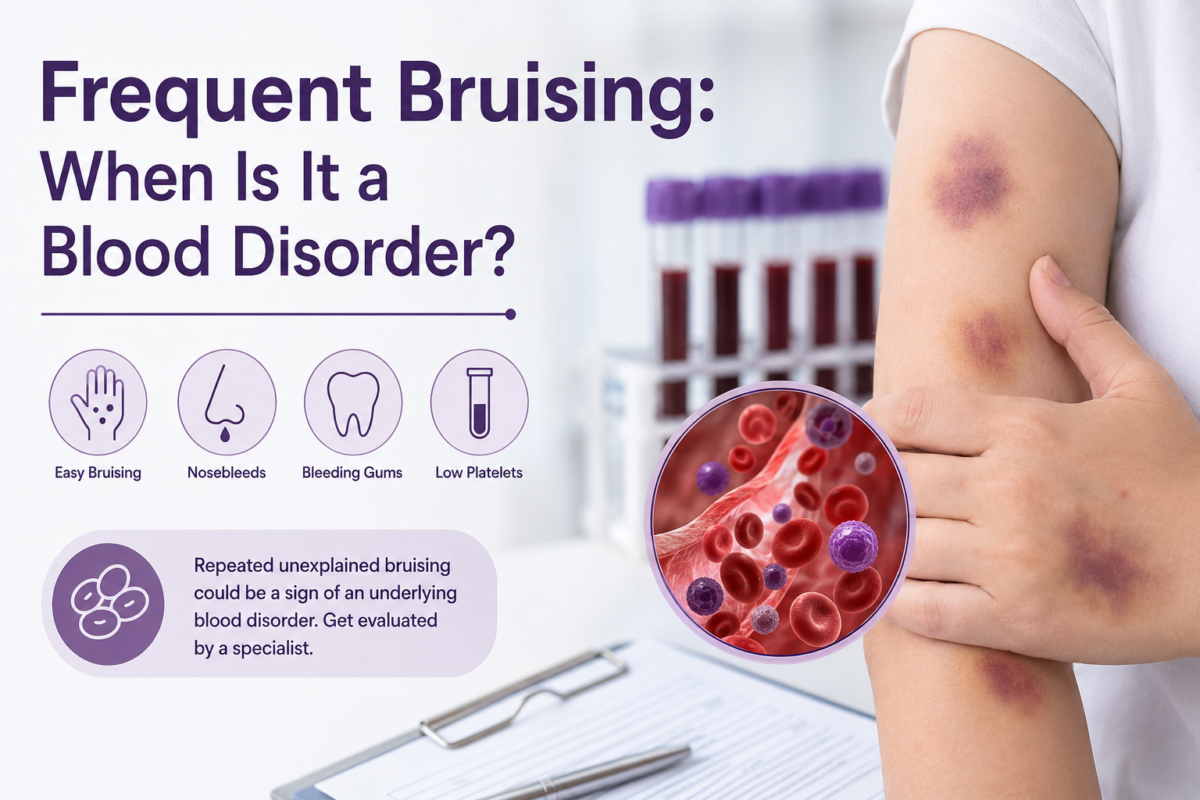
Noticing a bruise after bumping into something is usually not a reason for concern. Bruises commonly develop when small blood vessels under the skin are damaged, allowing blood to leak into the surrounding tissues. The area may initially appear red or purple and gradually change color as the body reabsorbs the blood. However, frequent bruising […]
Tag Archives: Blood Disorders
27
Aug
Aug
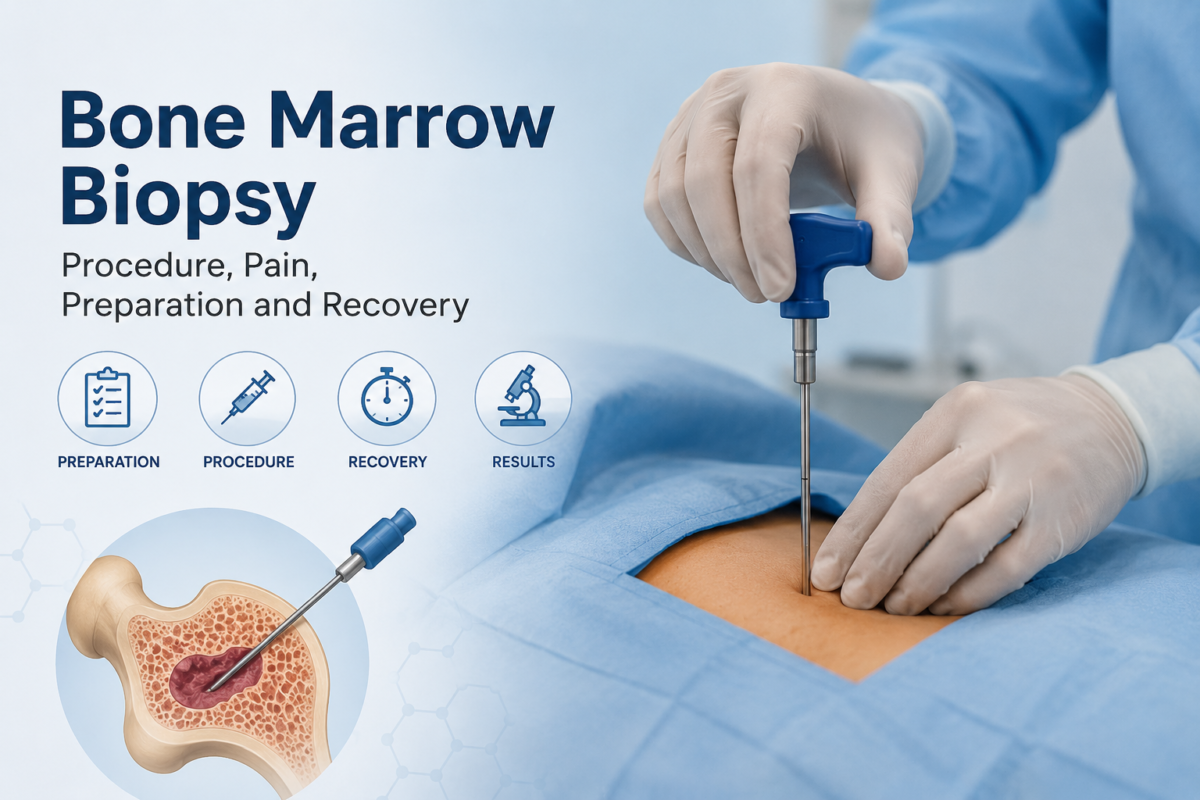
A bone marrow biopsy is one of the most important tests used by hematologists to understand what is happening inside the bone marrow. While a complete blood count (CBC) and other blood tests can show that something is abnormal, they may not always explain why the abnormality is occurring. A bone marrow biopsy allows the […]
20
Aug
Aug
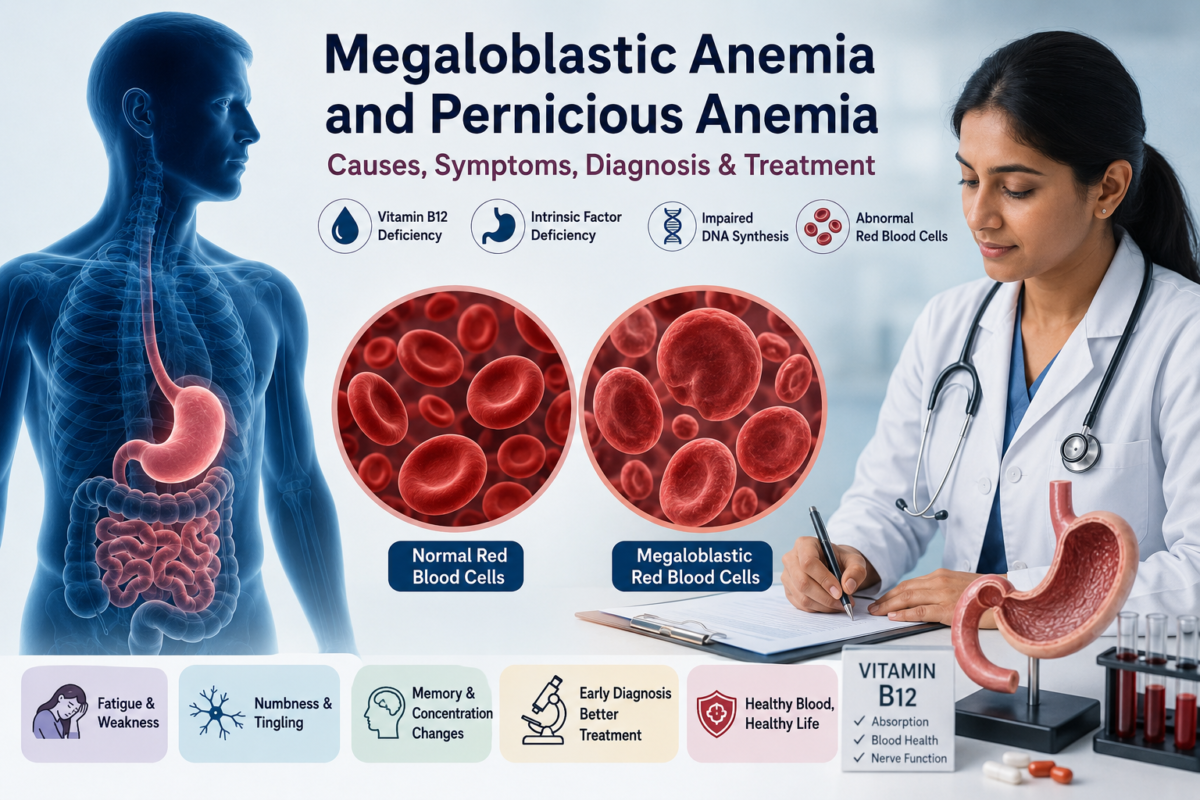
Megaloblastic anemia is a type of anemia in which the bone marrow produces unusually large and abnormal red blood cells. These cells do not develop normally and may not function efficiently, resulting in reduced oxygen delivery to the body’s tissues. One of the most common causes of megaloblastic anemia is a deficiency of vitamin B12 […]
21
Jul
Jul
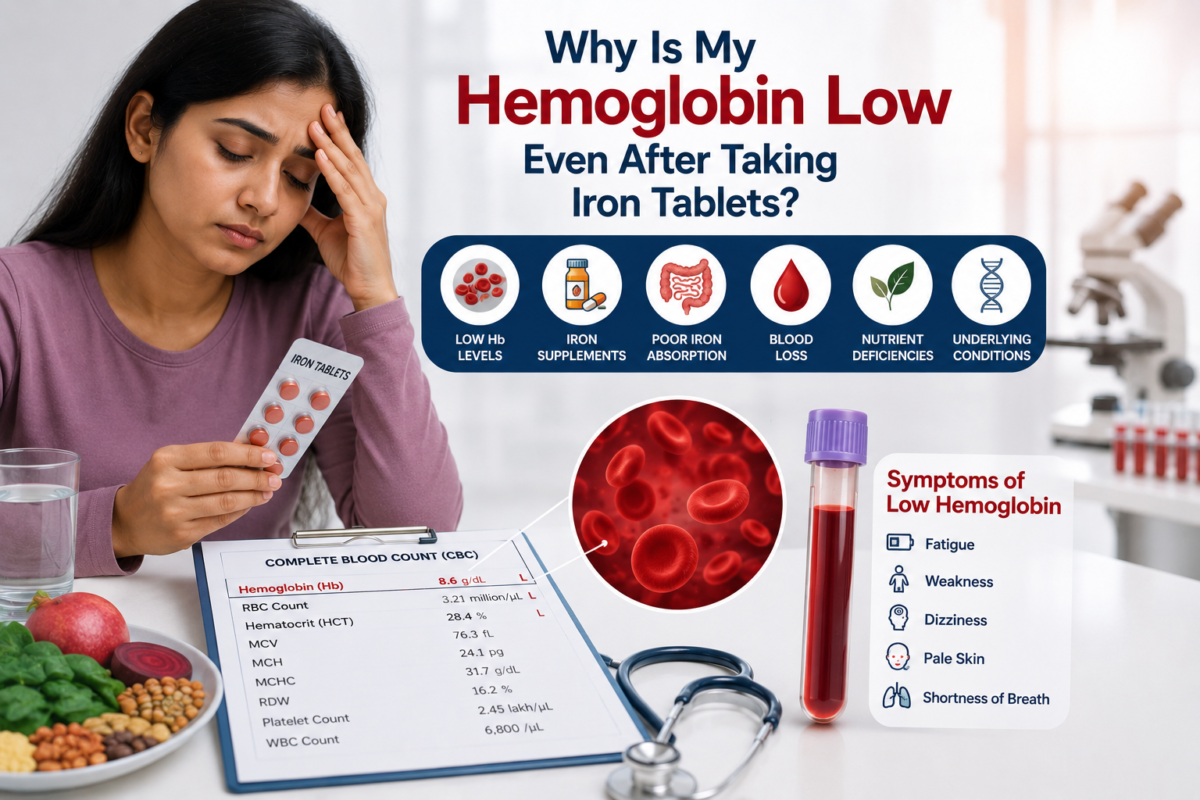
If you’ve been taking iron tablets for weeks or even months but your hemoglobin (Hb) levels remain low, it can be frustrating and confusing. Many people assume that iron deficiency is the only reason for anemia, but that’s not always the case. While iron supplements help many patients, low hemoglobin can persist due to several […]
21
Jul
Jul
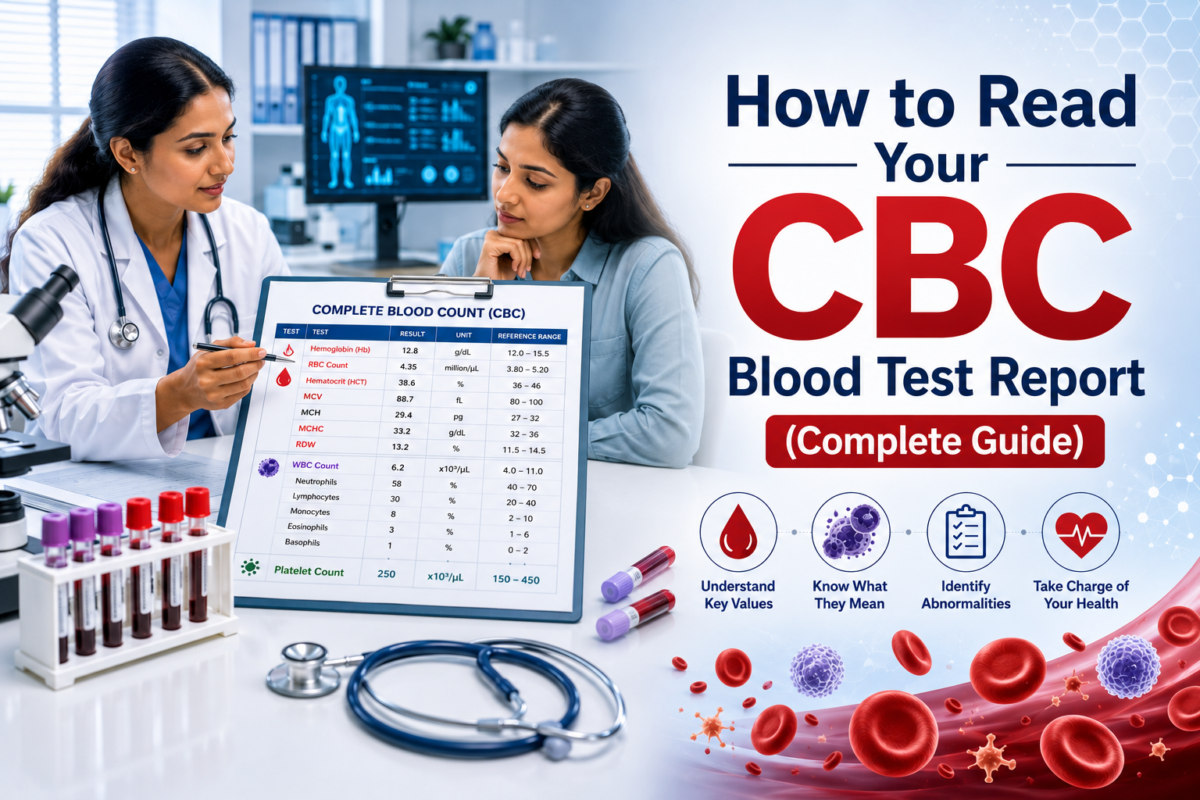
Have you recently received a Complete Blood Count (CBC) report and found yourself staring at terms like RBC, WBC, Hemoglobin, Platelets, MCV, MCH, and Hematocrit, wondering what they actually mean? You’re not alone. A CBC report is one of the most commonly performed blood tests, yet it often leaves patients confused because of its medical […]
Blog
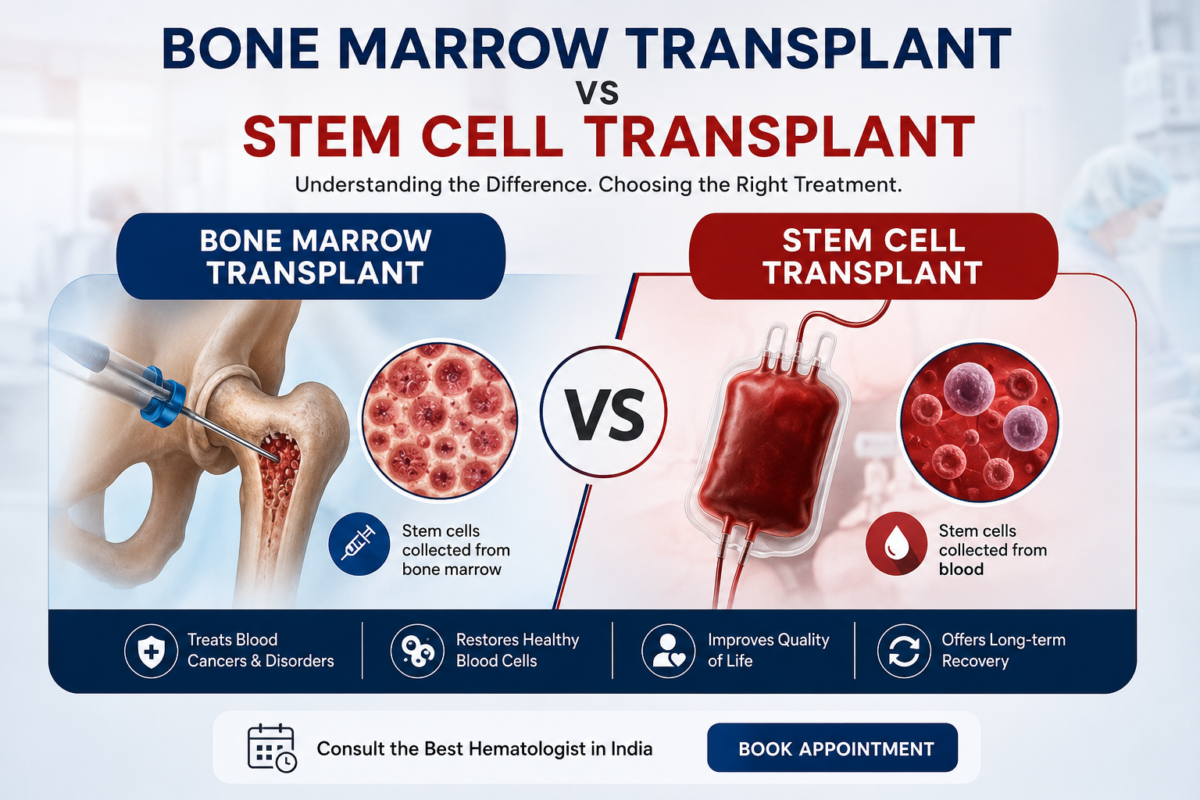
Bone Marrow Transplant vs Stem Cell Transplant: What’s the Difference? Which Treatment Is Right for You?
15
Jul
Jul
When patients are diagnosed with blood cancers or serious blood disorders, they often come across the terms Bone Marrow Transplant (BMT) and Stem Cell Transplant (SCT). Many people assume these are two completely different treatments. In reality, they are closely related, and the terms are often used interchangeably. However, there are important differences in how […]
13
Jul
Jul
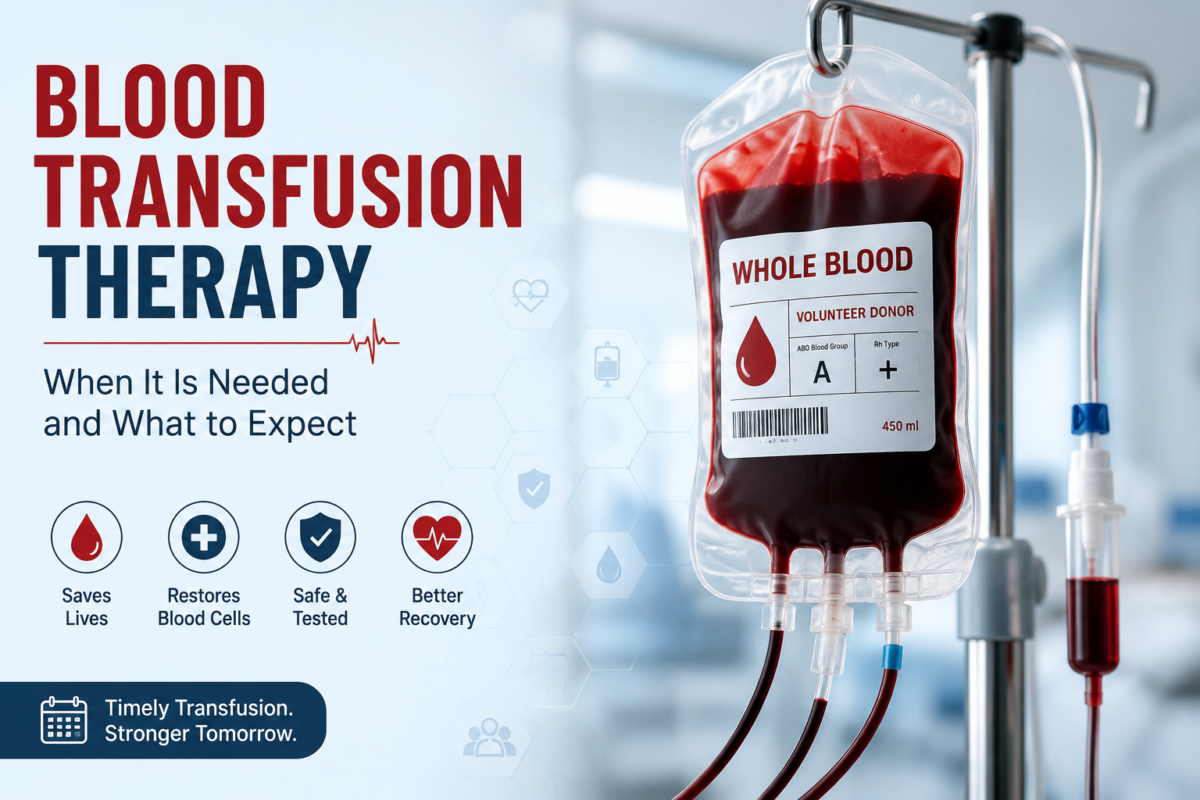
Transfusion therapy for blood is among the most commonly used and life-saving procedures in medicine all over the world. It aids in the replacement of blood or certain parts of the blood that your body lost because of injuries, illness or surgery or blood diseases. Every every day, thousands of people receive blood transfusions to improve their […]
27
Jun
Jun
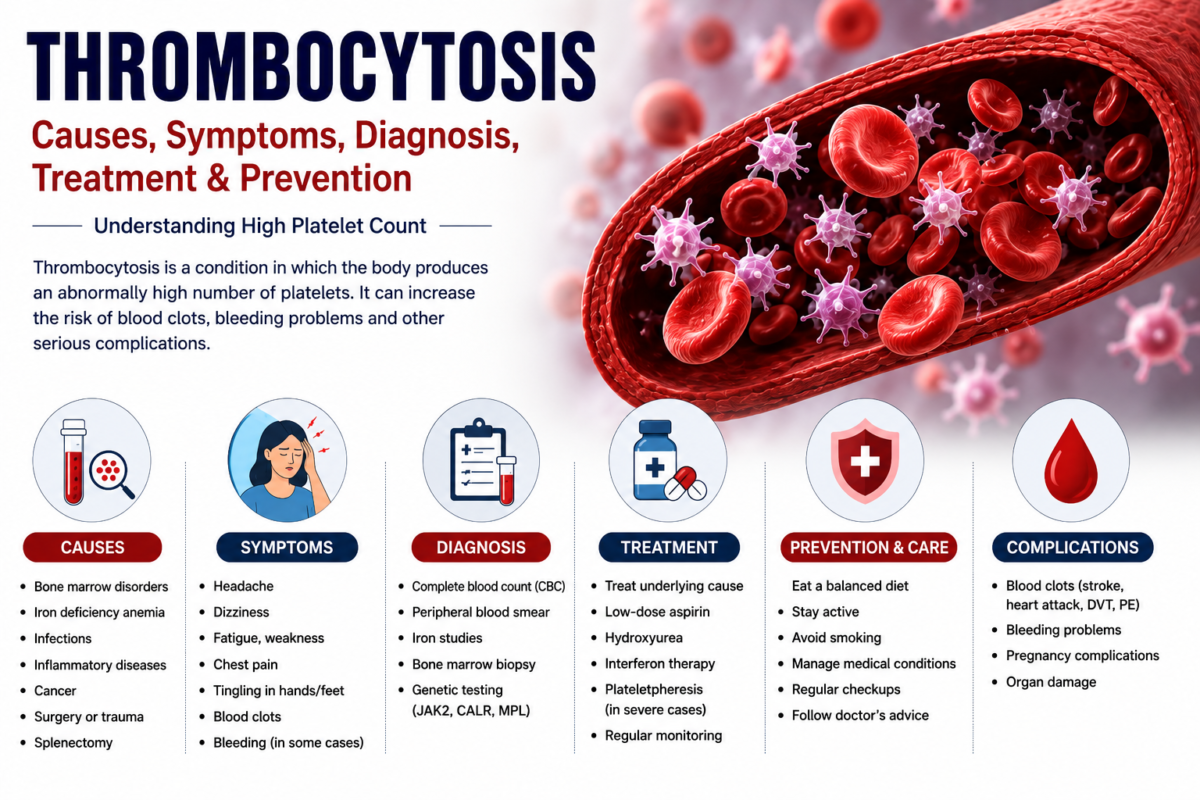
Thrombocytosis is a blood disorder in which the body produces an abnormally high number of platelets. Platelets are essential blood cells that help stop bleeding by forming clots. However, when platelet levels become too high, they may increase the risk of blood clots, stroke, heart attack, and other complications. Thrombocytosis may occur as a temporary […]
27
Jun
Jun
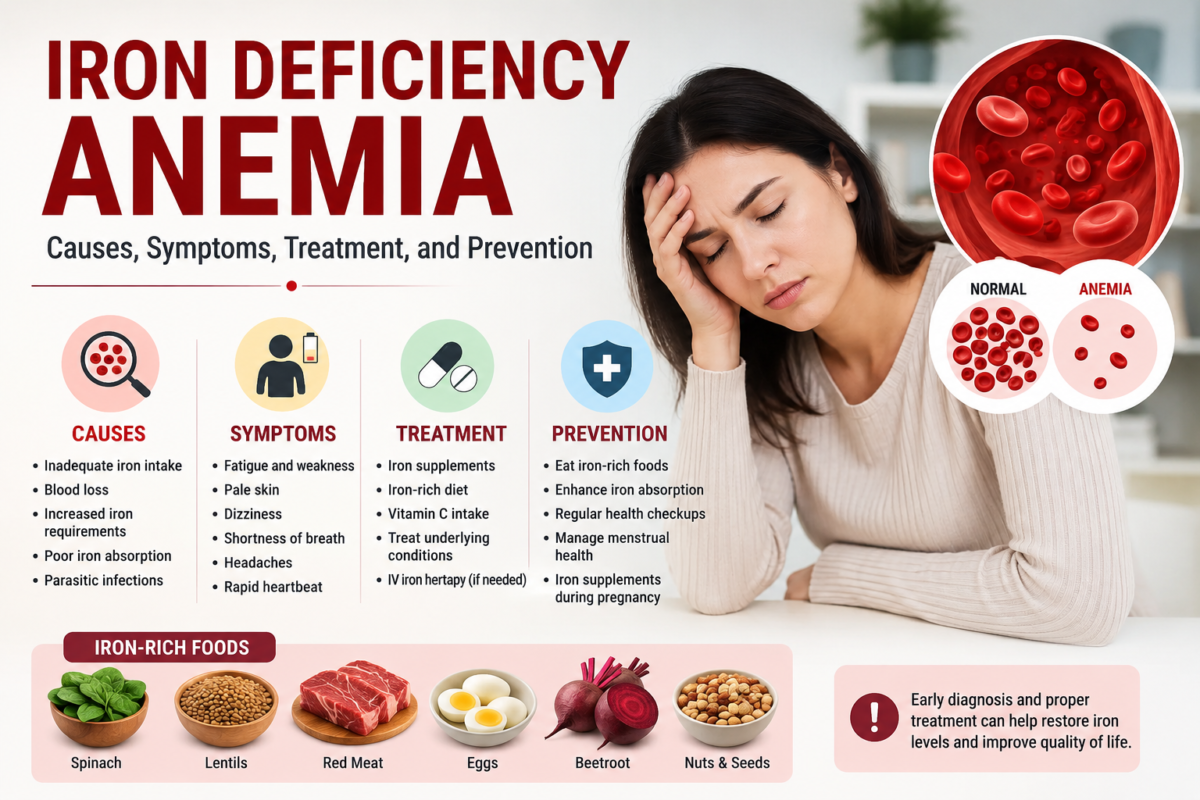
Iron Deficiency Anemia is one of the most common nutritional disorders affecting people of all age groups worldwide. It occurs when the body does not have enough iron to produce adequate hemoglobin, a protein in red blood cells responsible for carrying oxygen throughout the body. Without sufficient iron, the body cannot produce healthy red blood […]
09
Jun
Jun
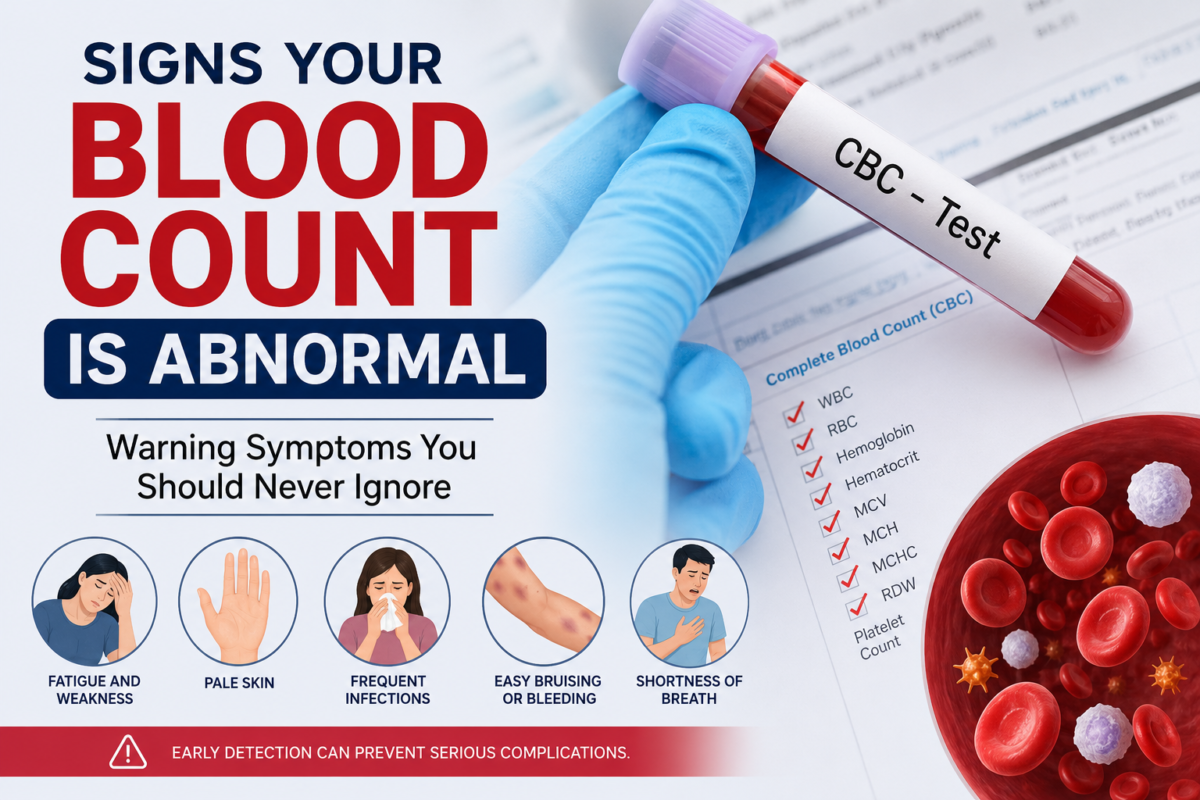
Blood is among the most vital components in the body of a human. It transports oxygen, eliminates debris, fights infection and aids in healing wounds. When the levels of blood cells change and the body begins to show various signs of warning. Most people do not notice these signs in the beginning because they seem common or even […]
- 1
- 2