
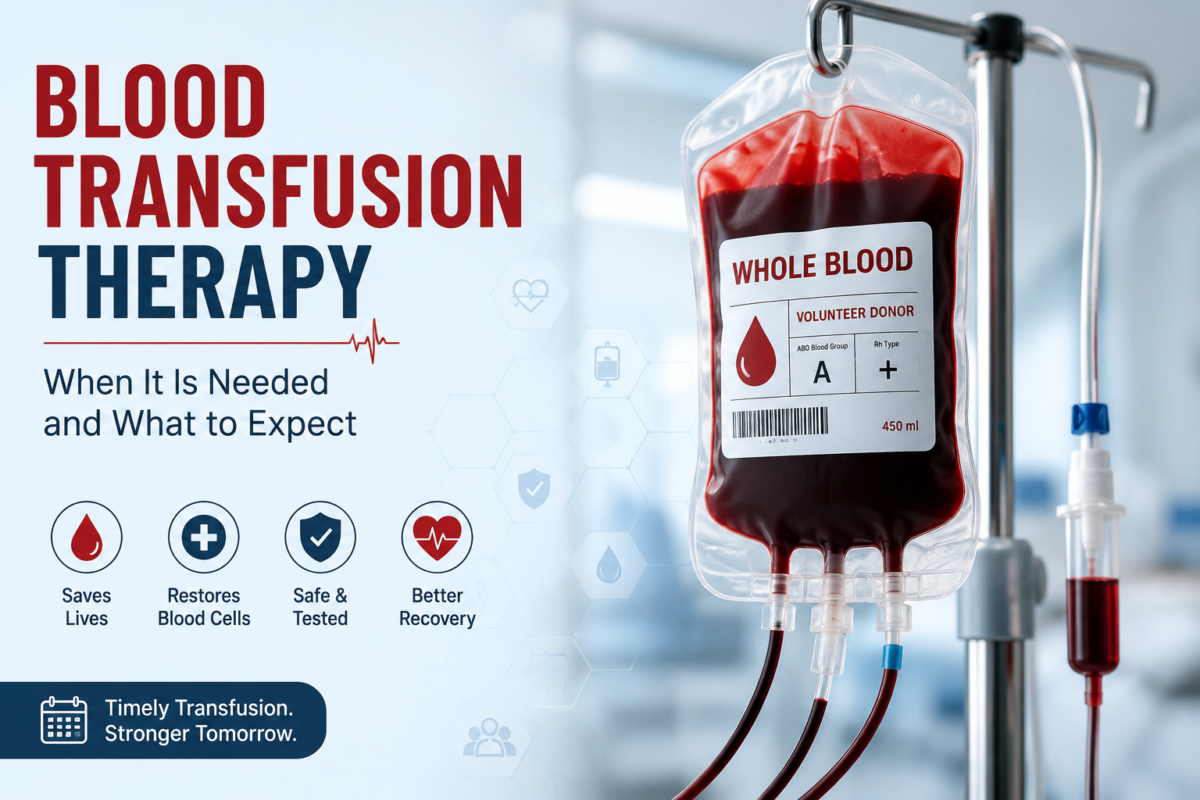
Transfusion therapy for blood is among the most commonly used and life-saving procedures in medicine all over the world. It aids in the replacement of blood or certain parts of the blood that your body lost because of injuries, illness or surgery or blood diseases. Every every day, thousands of people receive blood transfusions to improve their health, increase blood flow, stop bleeding, and aid in recovery from serious medical conditions.
While blood transfusions are thought to be extremely safe and efficient Many patients and their families are concerned about the procedure. What is the reason a blood transfusion is required? Are they secure? What is the time frame? What are the potential risks and advantages?
This complete guide will explain everything you must be aware of regarding blood transfusions, from the conditions for which it is suggested and how it is performed and its advantages, potential risk, recovery, as well as the most frequently-asked questions.
What Is Blood Transfusion Therapy?
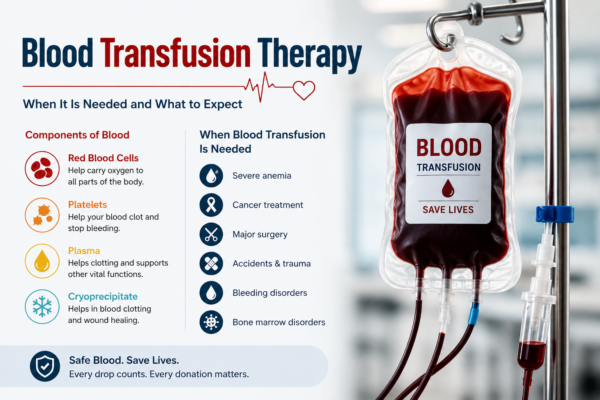
Transfusion therapy for blood is a procedure for medical treatment in which blood donated or other components of blood are infused into the bloodstream of patients via the IV (IV) vein.
In lieu of replacing all blood volume doctors usually transfuse just what the patient requires. This is known as component therapy. It allows for better targeted care.
The most important blood components are:
- Red Blood Cells (RBCs)
- Platelets
- Plasma
- Cryoprecipitate
Each part serves a specific function, based on the condition of the patient.
Why Is Blood Transfusion Therapy Needed?
Doctors suggest blood transfusions in cases where the body is unable to create sufficient healthy blood cells, or when significant loss of blood has been observed.
Common reasons are:
Severe Anemia
Patients who have very low levels of hemoglobin may require transfusions of red blood cells to boost oxygen supply throughout the body.
The symptoms include:
- Extreme fatigue
- Weakness
- Breathing problems
- Dizziness
- Pale skin
- Rapid heartbeat
Blood Cancers
Patients with blood cancers typically require blood transfusions due to the condition or treatment can affect the normal production of blood cells.
Examples include:
- Leukemia
- Lymphoma
- Multiple Myeloma
- Myelodysplastic Syndrome (MDS)
Chemotherapy Treatment
Chemotherapy may temporarily reduce bone marrow, which can reduce your production of good blood cells. Blood transfusions help maintain safe blood counts during cancer treatment.
Bone Marrow Failure Disorders
Conditions that include:
- Aplastic Anemia
- Myelofibrosis
- Bone Marrow Failure Syndromes
often, you will need to have multiple blood transfusions.
Major Surgery
Patients who undergo complex surgery may require transfusions in the event of significant blood loss occurs.
Trauma and Accidents
The severe injuries that result from accidents can cause rapid loss of blood, which requires urgent transfusion.
Bleeding Disorders
Disorders that interfere with normal blood clotting can need transfusions of platelets or plasma.
Examples include:
- Hemophilia
- Liver disease
- Severe bleeding after surgery
Types of Blood Transfusions
Red Blood Cell Transfusion
It is the most frequently used blood transfusion procedure.
It is utilized to:
- Anemia severe
- Blood loss
- Treatment for cancer
- Surgery
- Kidney disease
Its primary function is to improve the flow of oxygen to tissues and organs.
Platelet Transfusion
Platelets help stop bleeding.
Doctors suggest platelet transfusions for patients suffering from
- Leukemia
- The effects of chemotherapy can cause low levels in platelet count.
- Bone marrow diseases
- A severe form of thrombocytopenia that is associated with dengue (when it is clinically diagnosed)
Plasma Transfusion
Plasma contains clotting proteins which assist in controlling bleeding.
It might be needed to:
- Liver disease
- Major trauma
- Bleeding disorders
- Emergency surgeries
Cryoprecipitate Transfusion
Cryoprecipitate is a key source of fibrinogen and clotting factors.
It is used to treat certain bleeding disorders as well as severe fibrinogen deficiency.
How Is Blood Transfusion Performed?
Transfusions of blood are monitored by certified health experts.
The procedure generally consists of:
Step 1: Medical Evaluation
The doctor assesses the patient’s health the blood count, as well as medical background.
Step 2: Blood Testing
Cross-matching and blood grouping is done to guarantee the compatibility.
Step 3: IV Line Placement
A tiny intravenous catheter is placed into the vein.
Step 4: Blood Administration
The blood is slowly transfused while health professionals monitor each patient’s condition for reaction.
Step 5: Observation
Vital signs are examined prior to the, during and after the transfusion.
How Long Does a Blood Transfusion Take?
The length of time depends on the type and quantity of blood that is transfused.
Generally:
- Red blood cell production can take between 2 and 4 hours.
- Transfusions of platelets are usually completed quicker.
- Plasma transfusions can vary based on the condition of the patient.
Benefits of Blood Transfusion Therapy
Transfusions of blood can:
- Restore normal oxygen supply
- Increase the energy levels
- Reduce fatigue
- Treat anemia that is severe
- Control bleeding
- Treatment of chemotherapy for support
- Enhance recovery following surgery
- Aid stabilize critically sick patients
A majority of patients notice symptom improvement in a matter of hours or days following receiving an appropriate transfusion.
Is Blood Transfusion Safe?
Modern blood transfusions are considered very secure.
Before transfusion
- Health screenings for blood donors are conducted.
- Donated blood is screened for the presence of infectious diseases.
- The blood groups are closely to be matched.
- Patients are closely monitored throughout the entire procedure.
These measures of safety significantly lower the possibility of problems.
Possible Risks and Side Effects
Although most transfusions are completed without issue, a few patients might experience minor adverse effects, such as:
- Fever
- Chills
- Rash
- Itching
- Mild allergic reactions
A few, but more serious complications may occur This is why constant medical supervision is vital during the process of transfusion.
Patients should report any symptoms like breathing problems, chest pain or back pain that is severe, or a sudden fever.
Recovery After Blood Transfusion
The majority of patients are able to return to normal activities shortly after the transfusion, based on their medical health.
Doctors can recommend:
- Drinking enough fluids
- Consuming a healthy diet
- Prescribed medications
- Attending subsequent appointments
- Monitoring blood count when needed
Recovery is more dependent upon the condition that is being addressed, rather than the transfusion itself.
Who May Need Regular Blood Transfusions?
Certain individuals require multiple transfusions in the course of time because of chronic diseases, for example:
- Leukemia
- Multiple Myeloma
- Myelodysplastic Syndrome
- Aplastic Anemia
- Thalassemia
- Sickle Cell Disease
- Chronic Kidney Disease
- Bone Marrow Failure Disorders
Patients are regularly monitored to ensure that they receive safe and efficient treatment.
When Should You Seek Medical Attention?
Seek immediate medical care if you experience:
- Very weak
- Persistent dizziness
- Breathing difficulties
- Uncontrolled bleeding
- High fever
- Chest pain
- Rapid heartbeat
- Unusual bleeding
An early evaluation can identify important blood disorders prior to complications occur.
Final Thoughts
Blood transfusion therapy is a life-saving treatment that plays a crucial role in managing severe anemia, blood cancers, bone marrow disorders, and other conditions affecting blood cell production. Early diagnosis, timely treatment, and regular medical follow-up can significantly improve recovery and quality of life.
If you or a loved one has been advised to undergo a blood transfusion or is experiencing symptoms of a blood disorder, consulting the best hematologist in India can help ensure an accurate diagnosis and a personalized treatment plan. Don’t delay seeking expert care early intervention often leads to better outcomes. Book an appointment with an experienced hematology specialist to discuss your condition, understand your treatment options, and receive the right care at the right time.
