Blood cancer is a serious health condition that affects the production and function of blood cells. Unlike many other cancers that form solid tumors, blood cancers usually develop in the bone marrow, blood, and lymphatic system. These cancers can affect the growth of normal blood cells, leading to problems with immunity, oxygen supply, and blood clotting.
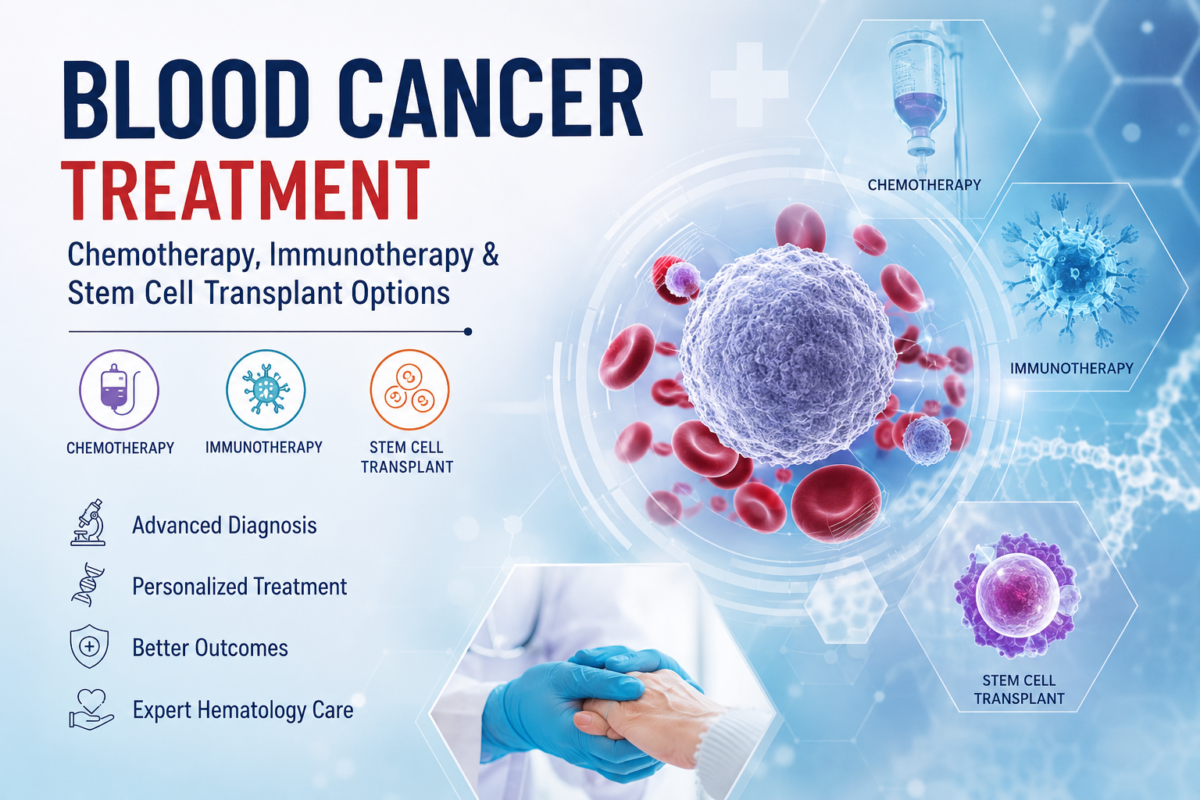
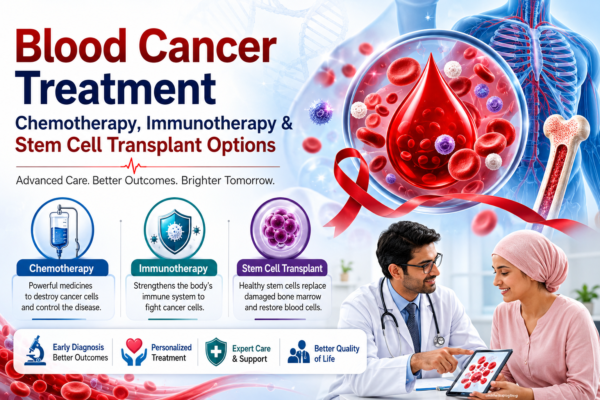
With advancements in medical science, blood cancer treatment has improved significantly. Today, various treatment options such as chemotherapy, immunotherapy, targeted therapy, and stem cell transplant help many patients manage the disease effectively.
Early diagnosis, proper treatment planning, and regular follow-up with an experienced hematologist play an important role in improving treatment outcomes.
What Is Blood Cancer?
Blood cancer occurs when abnormal blood cells grow uncontrollably and interfere with the normal functioning of the blood system.
Normally, the bone marrow produces three main types of blood cells:
- Red Blood Cells (RBCs): Carry oxygen throughout the body
- White Blood Cells (WBCs): Help fight infections
- Platelets: Help control bleeding
When cancer affects these cells, it can disturb the body’s ability to fight infections, carry oxygen, or prevent excessive bleeding.
The major types of blood cancer include:
1. Leukemia
Leukemia affects the bone marrow and causes abnormal white blood cells to multiply rapidly.
2. Lymphoma
Lymphoma affects the lymphatic system, which plays an important role in immune function.
3. Multiple Myeloma
Multiple myeloma affects plasma cells, a type of white blood cell responsible for producing antibodies.
Common Symptoms of Blood Cancer
Symptoms of blood cancer can vary depending on the type and stage of the disease. Some common warning signs include:
- Persistent fatigue and weakness
- Frequent infections
- Unexplained fever
- Easy bruising or bleeding
- Unusual weight loss
- Night sweats
- Bone or joint pain
- Swollen lymph nodes
- Pale skin due to low hemoglobin levels
These symptoms may occur due to changes in blood cell production. If symptoms continue or worsen, consulting a hematologist is important for proper evaluation.
Causes and Risk Factors of Blood Cancer
The exact cause of blood cancer is not always known. However, certain factors may increase the risk, including:
Genetic Changes
Changes in the DNA of blood cells can cause abnormal cell growth.
Family History
Some inherited conditions may increase the risk of certain blood disorders.
Previous Cancer Treatments
Exposure to certain chemotherapy or radiation treatments may increase risk in some cases.
Age and Health Factors
The risk of some blood cancers increases with age.
Environmental Factors
Exposure to certain chemicals or radiation may contribute to risk.
How Is Blood Cancer Diagnosed?
Doctors use different tests to confirm blood cancer and understand its type and stage.
Blood Tests
A complete blood count (CBC) test helps check:
- Red blood cell levels
- White blood cell levels
- Platelet count
- Hemoglobin levels
Bone Marrow Examination
A bone marrow biopsy helps doctors examine blood cell production and identify abnormal cells.
Imaging Tests
In some cases, scans may be recommended to check lymph nodes or other affected areas.
Specialized Tests
Additional tests such as genetic and molecular testing may help doctors choose the most suitable treatment plan.
Blood Cancer Treatment Options
Treatment depends on several factors, including:
- Type of blood cancer
- Stage of disease
- Patient’s overall health
- Age and medical history
A hematologist creates a personalized treatment plan based on these factors.
1. Chemotherapy for Blood Cancer
Chemotherapy is one of the most commonly used treatments for blood cancer. It uses powerful medicines to destroy abnormal cancer cells and prevent them from growing.
Chemotherapy may be given:
- Through injections
- Through tablets
- In combination with other treatments
The treatment schedule depends on the type of blood cancer and the patient’s response.
Benefits of Chemotherapy:
- Helps destroy cancer cells
- Controls disease progression
- Can reduce abnormal blood cell production
Possible Side Effects:
Chemotherapy can also affect some healthy cells, which may cause side effects such as:
- Hair loss
- Tiredness
- Nausea
- Reduced immunity
- Increased risk of infections
Doctors provide supportive care and medicines to help manage these effects.
2. Immunotherapy for Blood Cancer
Immunotherapy is an advanced treatment approach that helps the body’s immune system recognize and fight cancer cells.
Unlike chemotherapy, which directly attacks cancer cells, immunotherapy works by improving the immune system’s ability to target abnormal cells.
Some types of immunotherapy used in blood cancer treatment include:
- Monoclonal antibody therapy
- Immune system-based treatments
- Advanced cellular therapies
Immunotherapy may be recommended for certain types of leukemia, lymphoma, and other blood cancers.
3. Stem Cell Transplant for Blood Cancer
Stem cell transplant is an important treatment option for some patients with blood cancer.
Stem cells are special cells that can develop into healthy blood cells. During a transplant, damaged bone marrow is replaced with healthy stem cells.
There are two main types:
Autologous Stem Cell Transplant
The patient’s own healthy stem cells are collected, stored, and returned after treatment.
Allogeneic Stem Cell Transplant
Healthy stem cells are received from a suitable donor.
Stem cell transplant may be considered for conditions such as:
- Certain types of leukemia
- Lymphoma
- Multiple myeloma
- Other serious blood disorders
Importance of Early Diagnosis and Treatment
Early diagnosis can make a significant difference in blood cancer management. Identifying the disease at an early stage allows doctors to begin appropriate treatment sooner.
Regular medical consultation is especially important for people experiencing:
- Persistent weakness
- Unexplained blood count changes
- Frequent infections
- Unusual bleeding or bruising
Timely treatment can help improve disease control and overall quality of life.
Role of a Hematologist in Blood Cancer Treatment
A hematologist specializes in diagnosing and treating blood-related diseases, including blood cancers.
A hematologist helps with:
- Accurate diagnosis
- Choosing the right treatment approach
- Monitoring treatment response
- Managing side effects
- Providing long-term follow-up care
Choosing an experienced specialist ensures that patients receive appropriate care throughout their treatment journey.
When Should You Consult a Hematologist?
You should consult a hematologist if you have:
- Abnormal blood test reports
- Low or high blood cell counts
- Persistent fatigue or weakness
- Frequent infections
- Unexplained bleeding or bruising
- Symptoms suggesting a blood disorder
Early medical evaluation helps identify problems and start treatment at the right time.
Conclusion
Blood cancer treatment has advanced significantly with modern therapies such as chemotherapy, immunotherapy, targeted treatments, and stem cell transplant. The right treatment approach depends on the type of blood cancer, disease stage, and individual patient condition.
Early diagnosis, regular monitoring, and consultation with an experienced hematologist can help patients receive timely treatment and better care. Choosing the best hematologist in India ensures expert guidance, accurate diagnosis, and a personalized treatment plan for managing complex blood disorders.
If you or your loved one is experiencing symptoms related to blood disorders or blood cancer, consult an experienced hematology specialist for proper evaluation and treatment guidance. Book an appointment today and take the first step towards advanced blood cancer care and better health.
