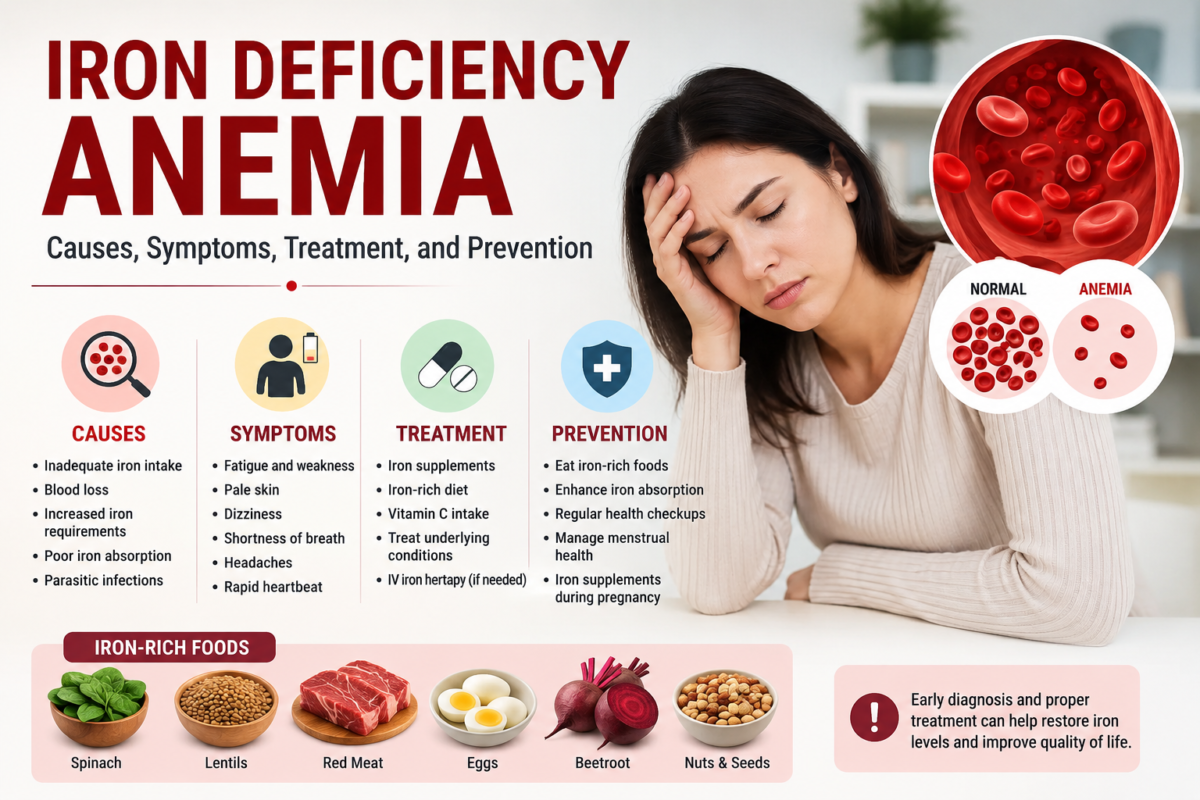
Iron Deficiency Anemia is one of the most common nutritional disorders affecting people of all age groups worldwide. It occurs when the body does not have enough iron to produce adequate hemoglobin, a protein in red blood cells responsible for carrying oxygen throughout the body. Without sufficient iron, the body cannot produce healthy red blood cells, leading to fatigue, weakness, and several other health complications.
Iron deficiency can develop gradually and may go unnoticed in the early stages. However, if left untreated, it can affect daily activities, physical performance, immunity, and overall quality of life. Understanding the causes, symptoms, treatment, and prevention of Iron Deficiency Anemia is essential for maintaining good health and preventing long-term complications.
What is Iron Deficiency Anemia?
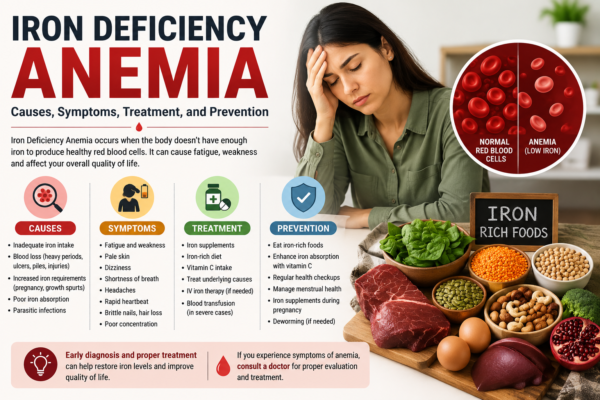
Iron Deficiency Anemia is a condition in which the body lacks enough iron to produce healthy hemoglobin. Hemoglobin helps red blood cells transport oxygen from the lungs to various parts of the body. When iron levels become low, oxygen delivery decreases, causing tiredness and weakness.
Iron is an essential mineral obtained from food. The body stores iron mainly in the liver, bone marrow, and muscles. When iron intake is insufficient or iron loss becomes excessive, these stores gradually become depleted, leading to anemia.
Importance of Iron in the Body
Iron plays a major role in several body functions, including:
- Production of hemoglobin
- Oxygen transportation
- Energy production
- Brain development
- Muscle function
- Immune system support
Low iron levels can negatively impact both physical and mental health. Children, pregnant women, and elderly individuals are especially vulnerable to iron deficiency.
Causes of Iron Deficiency Anemia
Several factors can contribute to Iron Deficiency Anemia. Identifying the underlying cause is important for effective treatment.
1. Inadequate Iron Intake
A diet lacking iron-rich foods is one of the leading causes of iron deficiency. People who consume limited amounts of meat, green leafy vegetables, legumes, and fortified foods may develop low iron levels over time.
2. Blood Loss
Chronic blood loss is another major cause of Iron Deficiency Anemia. Common reasons include:
- Heavy menstrual bleeding
- Gastrointestinal bleeding
- Peptic ulcers
- Piles or hemorrhoids
- Colon polyps
- Long-term use of painkillers
- Surgery or trauma
Even small amounts of blood loss over a long period can reduce iron stores significantly.
3. Increased Iron Requirements
Certain stages of life increase the body’s demand for iron, such as:
- Pregnancy
- Breastfeeding
- Childhood growth spurts
- Adolescence
If iron intake does not meet these increased demands, anemia can develop.
4. Poor Iron Absorption
Some medical conditions reduce the body’s ability to absorb iron properly, including:
- Celiac disease
- Crohn’s disease
- Gastric surgery
- Intestinal disorders
Low stomach acid can also interfere with iron absorption.
5. Parasitic Infections
Hookworm infections and other intestinal parasites may cause blood loss and iron deficiency, especially in developing regions.
Symptoms of Iron Deficiency Anemia
Symptoms may vary depending on the severity of the condition. Mild cases may not show noticeable signs initially.
Common Symptoms
- Fatigue and weakness
- Pale skin
- Dizziness
- Headaches
- Shortness of breath
- Rapid heartbeat
- Cold hands and feet
- Poor concentration
- Chest discomfort
Advanced Symptoms
Severe Iron Deficiency Anemia may lead to:
- Brittle nails
- Hair loss
- Craving non-food items like ice or clay
- Swelling or soreness of the tongue
- Difficulty swallowing
- Restless legs syndrome
Children with iron deficiency may experience delayed growth, poor academic performance, and behavioral problems.
Risk Factors for Iron Deficiency Anemia
Certain groups are at a higher risk of developing Iron Deficiency Anemia:
- Women with heavy menstrual bleeding
- Pregnant women
- Infants and young children
- Vegetarians and vegans
- Elderly individuals
- People with chronic illnesses
- Frequent blood donors
Regular screening may help detect iron deficiency early in high-risk individuals.
Diagnosis of Iron Deficiency Anemia
Doctors diagnose Iron Deficiency Anemia through a combination of medical history, physical examination, and laboratory tests.
Common Diagnostic Tests
Complete Blood Count (CBC)
This test measures hemoglobin levels and red blood cell characteristics.
Serum Ferritin Test
Ferritin indicates the amount of stored iron in the body. Low ferritin levels strongly suggest iron deficiency.
Serum Iron Test
Measures the amount of circulating iron in the blood.
Total Iron Binding Capacity (TIBC)
This test helps assess how well iron is transported in the bloodstream.
Stool Occult Blood Test
Used to detect hidden gastrointestinal bleeding.
Additional investigations may be required to identify the source of blood loss or absorption problems.
Treatment for Iron Deficiency Anemia
Treatment depends on the severity and underlying cause of the condition.
1. Iron Supplements
Oral iron tablets are commonly prescribed to restore iron levels. These supplements help increase hemoglobin production and replenish iron stores.
Doctors may recommend taking iron supplements:
- On an empty stomach
- With vitamin C-rich foods or drinks
- Avoiding tea or coffee immediately after intake
Treatment may continue for several months even after hemoglobin levels improve.
2. Dietary Changes
Including iron-rich foods in the daily diet is essential for recovery and prevention.
Iron-Rich Foods
- Red meat
- Liver
- Fish
- Eggs
- Spinach
- Beetroot
- Lentils
- Beans
- Tofu
- Nuts and seeds
- Fortified cereals
3. Vitamin C Intake
Vitamin C improves iron absorption. Foods rich in vitamin C include:
- Oranges
- Lemons
- Guava
- Tomatoes
- Strawberries
- Bell peppers
Combining iron-rich foods with vitamin C sources enhances absorption significantly.
4. Treating Underlying Conditions
If anemia is caused by bleeding, ulcers, or digestive disorders, treating the underlying problem is necessary for long-term improvement.
5. Intravenous Iron Therapy
Severe cases or patients unable to tolerate oral iron supplements may require intravenous iron therapy.
6. Blood Transfusion
In life-threatening anemia or very low hemoglobin levels, blood transfusion may be needed.
Prevention of Iron Deficiency Anemia
Preventing Iron Deficiency Anemia involves maintaining healthy iron levels through diet and regular health monitoring.
Eat a Balanced Diet
Include iron-rich foods regularly to meet daily nutritional needs.
Improve Iron Absorption
- Combine iron foods with vitamin C
- Avoid excessive tea or coffee with meals
Regular Health Checkups
Routine blood tests help identify iron deficiency before symptoms worsen.
Manage Menstrual Health
Women with heavy periods should seek medical advice to prevent chronic blood loss.
Deworming Programs
Periodic deworming may help prevent parasite-related anemia in children and adults.
Iron Supplements During Pregnancy
Pregnant women should follow medical advice regarding iron and folic acid supplementation.
Complications of Untreated Iron Deficiency Anemia
If left untreated, Iron Deficiency Anemia can lead to serious health complications, including:
- Heart problems
- Pregnancy complications
- Developmental delays in children
- Reduced immunity
- Increased risk of infections
- Poor work and academic performance
Early diagnosis and proper treatment are essential to prevent these complications.
Iron Deficiency Anemia in Children
Children require adequate iron for growth and brain development. Poor nutrition, worm infestations, and rapid growth can increase the risk of anemia.
Signs in Children
- Fatigue
- Poor appetite
- Slow growth
- Difficulty concentrating
- Irritability
Parents should ensure children consume balanced meals containing iron-rich foods.
Iron Deficiency Anemia During Pregnancy
Pregnant women are more likely to develop Iron Deficiency Anemia because of increased blood volume and fetal requirements.
Untreated anemia during pregnancy may increase the risk of:
- Premature birth
- Low birth weight
- Maternal fatigue
- Delivery complications
Regular prenatal checkups and iron supplementation are important for maternal and fetal health.
Lifestyle Tips for Managing Iron Deficiency Anemia
- Follow prescribed treatment regularly
- Maintain a nutritious diet
- Stay hydrated
- Get adequate rest
- Avoid self-medication
- Attend regular follow-up appointments
Consistency in treatment and dietary habits plays a key role in recovery.
Conclusion
Iron Deficiency Anemia is a common but manageable condition that can significantly affect overall health and quality of life if ignored. Early recognition of symptoms, proper diagnosis, balanced nutrition, and timely treatment can help restore healthy iron levels and prevent complications. Maintaining an iron-rich diet, managing underlying medical conditions, and attending regular health checkups are important steps toward prevention.
Seeking guidance from the best hematologist can ensure accurate diagnosis and personalized treatment for Iron Deficiency Anemia. If you experience persistent fatigue, weakness, or symptoms related to anemia, book appointment with a qualified specialist for comprehensive evaluation and care.
