The blood cancer, also known as Hematologic cancer is a disease that affects the functioning, production and longevity of the blood cell. In contrast to solid tumors cancers grow in bones marrow, the blood and lymphatic systems, which can disrupt your body’s capability to combat infection as well as carry oxygen and manage bleeding.
A lot of people ignore the warning signs that are early because they usually resemble common ailments or fatigue that is caused by lifestyle. Yet, early detection of blood cancer greatly improves the chance of survival and treatment outcomes. Knowing the signs could help people seek timely medical attention and avoid complications.
This blog outlines seven of seven most frequently seen indicators and signs that are associated with blood cancer explain the reasons for their appearance and stresses the importance of identifying cancer early.
Understanding Blood Cancer
The term “blood cancer” is broad term that covers cancers that affect blood-forming tissues, like bone marrow and lymph nodes. The cancers hinder healthy blood cells from working properly which can lead to grave health problems.
Major Types of Blood Cancer
-
Leukemia affects bone marrow and blood which causes an increase in the production in abnormally white blood cell.
-
Lymphoma It develops in the lymphatic system that is a part of the immune system.
-
Myeloma (Multiple Myeloma) – Affects plasma cells that are responsible for producing antibodies.
Each type has distinct particularities, but there are many signs that are common, making it crucial to be aware.
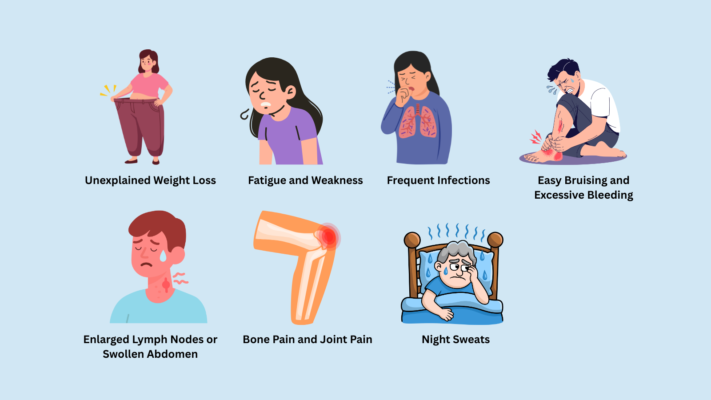
1. Unexplained Weight Loss
Weight loss that is sudden and unprovoked is one of the first indicators of blood cancer. If you’re experiencing weight loss without any changes in your fitness or diet It must not be ignored.
The body’s metabolic needs because cancer cells multiply quickly. This may result in weight reduction, the breakdown of muscle and a decrease in appetite. Loss of weight due to the blood cancers is usually quick and lasting.
2. Persistent Fatigue and Weakness
Chronic fatigue is among the most frequently reported symptoms by patients with blood cancer. In contrast to normal tiredness the fatigue doesn’t diminish with rest.
The development of blood cancer can affect how healthy blood cells are produced, which leads to anemia. With less red blood cells carrying oxygen throughout the body, it can feel always tired, weak and depleted of energy. The daily routine can feel overwhelming, even after a good night’s rest.
3. Frequent Infections and Delayed Recovery
A weak immune system is the hallmark for blood cancer. Atypical white blood cells can crowd out healthy ones, decreasing the body’s ability to fight off infections.
If you notice:
-
Numerous infections
-
The recurrence of fevers
-
Infections that require longer than normal to heal
It could indicate it could be a sign of an underlying the cause could be a blood condition. Infections that are not severe can turn serious due to a weak immune system.
4. Easy Bruising and Excessive Bleeding
The presence of blood cancer may hinder blood clotting platelets which are vital to clotting blood.
Common indications include:
-
Unusual or frequent bruises
-
The bleeding continues from minor cuts
-
Nosebleeds, bleeding gums, or bleeding teeth
-
Menstrual bleeding that is heavy
The reason for this is that the blood’s ability diminishes to clot normally. This increases the chance of bleeding.
5. Enlarged Lymph Nodes or Swollen Abdomen
The lymph nodes that are swollen, particularly in the neck, armpits or groin area, are the most common manifestation of lymphoma. The swellings are typically non-injurious and persist for a long time.
The blood cancer may also lead to an expansion of the liver or spleen and can cause:
-
Abdominal swelling
-
Feeling of completeness
-
A feeling of discomfort under the ribs
These symptoms suggest the presence in abnormal blood cells within these organs.
6. Bone Pain and Joint Pain
Joint pain and bone fractures are often connected with the myeloma multiforme and certain forms of leukemia.
Cancer cells are accumulating within the bone marrow creating pressure within the bones, and weakening the bones. This could lead to:
-
Persistent bone discomfort (especially on the back, in ribs or hips)
-
Joint stiffness
-
Risk of fractures is increased.
Any pain that continues to persist despite physical or bodily injury should be evaluated by a doctor.
7. Night Sweats
The night sweats can be an important symptom, especially for patients with lymphoma. They aren’t normal sweats, but intense bouts which soak the bedding and clothes.
Night sweats may occur due to:
-
Immune system activation
-
Inflammatory reactions
-
Symptoms of fever
If you experience frequent night sweats and are followed by a loss of weight or fever, seeking medical treatment is crucial.
Why Early Detection Matters
It is possible for blood cancer to grow rapidly in the absence of detection. The early detection of the disease allows:
-
Treatment that is timely
-
More effective reaction to therapy
-
Reduction of problems
-
Better quality of life
Modern treatment options, such as chemotherapy or specific therapy, immunetherapy and transplantation of stem cells have dramatically enhanced outcomes when initiated at an early stage.
When to See a Doctor
It is recommended that you consult with a healthcare specialist if you:
-
The symptoms persist for longer than a couple of weeks
-
Multiple symptoms are common
-
There is a blood family history that has been linked to disorders.
-
Unusual health issues are experienced.
Simple tests for blood and diagnostics could help to identify potential problems early.
Conclusion
It is common for blood cancer to show subtle symptoms that are easy to overlook. Insistent fatigue, unproven changes in body weight or frequency of infections bones pain, bruising swelling of lymph nodes and night sweats must never been dismissed as small problems.
Awareness regular health checks, and early medical consultations can save lives. If you or your loved ones suffer from one of the symptoms listed above, get medical advice from a qualified professional without delay.
Early diagnosis can make a life-changing difference.
