
Anemia is among the most prevalent blood-related disorders that affect women. In India it’s a quiet issue that is usually overlooked until it starts to have an impact on the daily routine. Research has shown that more than 50 percent of Indian women who are reproductive suffer from a form of anemia, mainly because of the deficiency of iron. Although mild anemia might not have obvious signs mild to severe cases can impact the amount of energy, immunity and overall quality of life.
Anemia Among Women in India: Key Statistics
-
According to the NFHS-5 (2019-21), about 57.2 percent of pregnant women between the ages of 15 and 49 are anemic.
-
Worldwide Anemia affects approximately 30percent of unpregnant females as well as 37 percent of women who are pregnant (WHO statistics).
-
Within girls in the adolescent stage of India there was a rise in the rate of was ranging from 54.2 percent to 58.9 percent according to the study released in the journal PubMed.
These figures show the widespread nature of anemia and the reasons the reason why early detection and awareness are crucial.
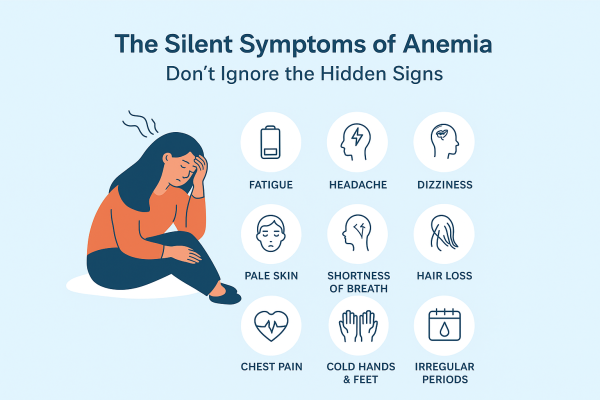
9 Key Symptoms of Anemia in Women
1. Constant Fatigue and Weakness
Feeling tired even after proper rest? The low hemoglobin levels indicate that your body doesn’t get enough oxygen, resulting in an ongoing fatigue.
2. Pale Skin and Inner Eyelids
A noticeable paleness, particularly on the lips, face and eyes is a symptom of anemia due to a lower the number of red blood cells.
3. Shortness of Breath
Even simple activities such as taking a walk or climbing stairs for shorter distances could leave you feeling breathless in the event that your blood supply isn’t carrying enough oxygen.
4. Dizziness or Lightheadedness
A lack of oxygen to the brain may cause fainting or dizziness especially if standing up rapidly or during exercise.
5. Heavy or Irregular Periods
Menstrual bleeding that is heavy can result in significant loss of iron and if left untreated, iron deficiency could cause menstrual bleeding to become more severe.
6. Brittle Nails and Hair Loss
Iron is a vital component of Keratin production. Insufficient iron can cause weak nails, easily broken and excessive hair loss.
7. Frequent Headaches
Deprivation of oxygen in the brain frequently triggers frequent migraines or headaches, frequently confused with stress.
8. Cold Hands and Feet
Insufficient blood circulation caused by low hemoglobin levels can make your feet and hands feel cold, even in hot conditions.
9. Chest Pain or Rapid Heartbeat
In the case of severe anemia heart has to pump more heavily to satisfy the demand for oxygen and can cause chest pain or palpitations which is a sign of serious illness that requires medical attention immediately.
Why Are Women More Prone to Anemia?
Women are at a higher risk of developing anemia because of:
-
Menstrual blood loss
-
The demand for iron is higher during pregnancy.
-
Recovery from postpartum and loss of blood following the birth
-
Nutritional deficiencies (iron, vitamin B12, folate)
-
Dietary habits that do not include iron-rich foods
Types of Anemia Commonly Seen in Women
-
iron deficiency anemia The most prevalent form of the disease; caused by a insufficient iron intake or loss of blood.
-
Vitamin B12 Anemia due to Deficiency: Causes fatigue as well as numbness and memory problems.
-
Folate Deficiency anemia: A common condition during pregnancy; alters the formation of red blood cells.
-
Anemia in chronic Disease: Occurs with long-term health conditions such as kidney infection or disease.
How Is Anemia Diagnosed?
Your doctor could suggest tests, such as:
-
Complete Blood Count (CBC): Measures hemoglobin and red blood cell.
-
Serum Ferritin Test: Indicates iron storage levels.
-
Peripheral Smear Examines the size and shape of the red cell.
-
Vitamin B12 as well Folate tests: Find nutritional reasons.
Treatment and Management
The treatment is based on the cause and severity
-
Iron-Rich Diet Include lentils, spinach beetroot, dates the pomegranate, as well as red meat.
-
Iron Supplements As prescribed by a doctor under supervision.
-
Vitamin B12 as well Folate supplements: Aid in the regeneration of healthy red blood cells.
-
Treating the underlying condition: Managing menstrual disorders infections, chronic diseases.
-
Regular check-ups: Monitoring hemoglobin levels particularly during pregnancy.
Preventing Anemia: Practical Tips
A balanced diet should include healthy green vegetables, legumes eggs as well as cereals that are fortified.
Combine iron-rich foods with vitamin C-rich sources (like citrus fruits or lemons) to increase intake.
Avoid excessive caffeine or tea with meals, since they can reduce intake of iron.
Take iron and folate supplements during pregnancy, as recommended by your physician.
Get regular blood tests — particularly in case you are experiencing fatigue or frequent menstrual bleeding.
When to See a Doctor
See with a Hematologist for:
-
Breathlessness or fatigue that persists
-
Skin tone pale or frequent dizziness
-
Hair loss that is not explained or dry nails
-
Chest pain or heavy periods
Early treatment can help prevent problems like stress on the heart, pregnancy risks or the chronic fatigue.
Conclusion
Anemia is a common occurrence However, it’s not safe. Many women dismiss its symptoms as common fatigue however, untreated anemia may affect productivity, mood and overall wellbeing.
With awareness an early diagnosis, prompt treatment, and a healthy diet Anemia is completely manageable and can empower women to live stronger and healthier lives.
