
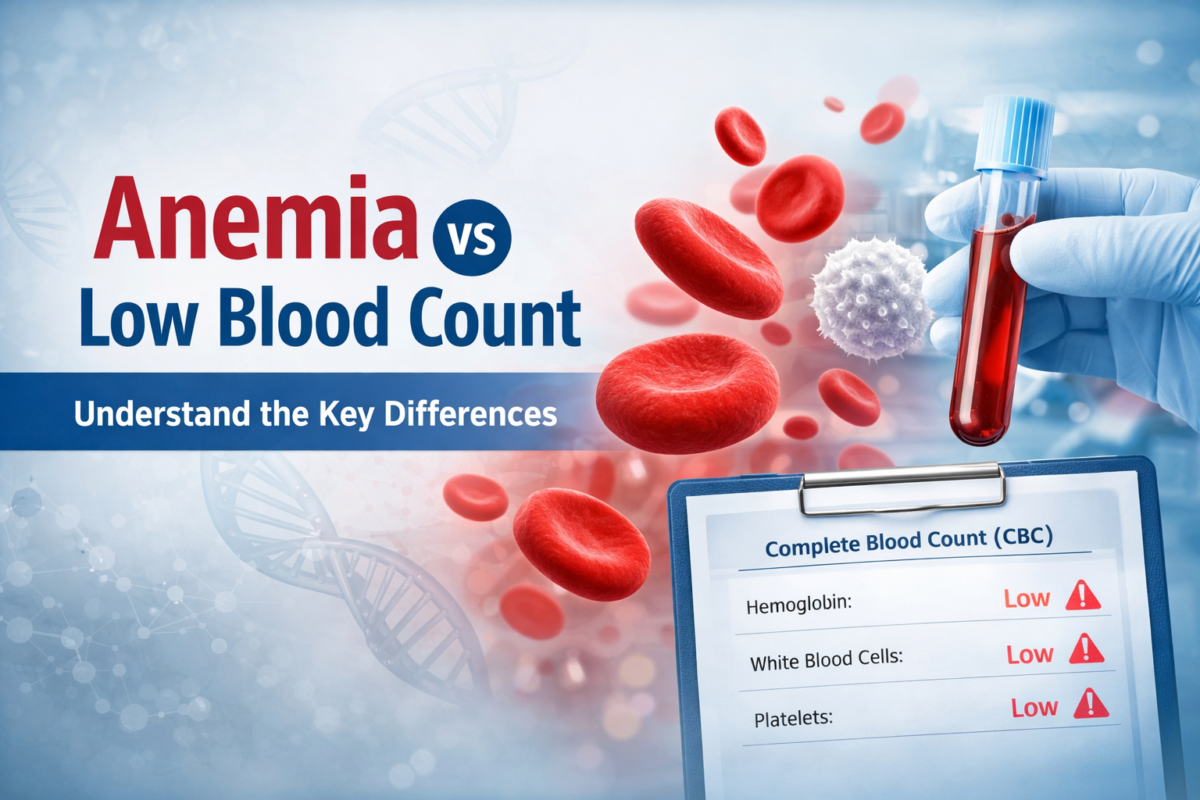
A lot of people use the terms anemia and low blood count in the same way. While they’re closely linked but they aren’t always identical. Understanding the distinction is essential as the proper diagnosis and treatment rely on the underlying issue.
This article describes the definition of anemia the term used to describe anemia, what a is a low blood count and what they are from one another, their causes, symptoms, diagnoses and the treatment options.
What is Anemia?
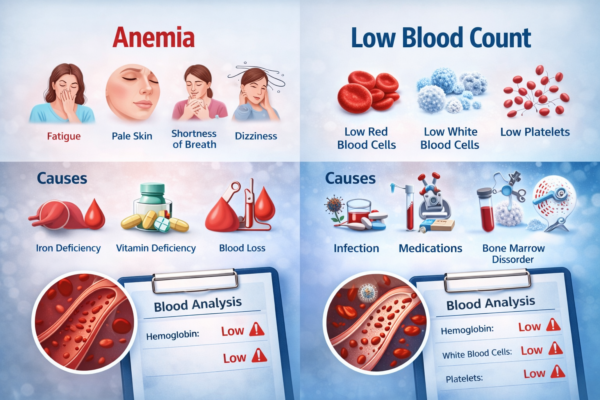
Anemia is a medical issue that affects the amount of blood red cells (RBCs) or the quantity of hemoglobin in blood is less than the normal. Hemoglobin is an amino acid that’s found in red blood cells which is responsible to transport oxygen from lung to the rest the body.
If hemoglobin levels fall the body doesn’t get sufficient oxygen. This is why people may be tired, weak or sluggish.
Anemia is among the most prevalent blood disorders that affects everyone of all ages which includes children, adults and even pregnant women.
What Is “Low Blood Count” Mean?
“Low blood count” is a broad term. “low blood count” is broad and not as specific. It is usually the loss of some or all blood cell types. The blood contains three main components:
-
(RBCs) Red blood cells (RBCs)
-
The white blood cell (WBCs)
-
Platelets
In the event that any of these factors fall outside those within the norm, this can be described as low blood counts. Therefore:
-
Red blood cells that are low = Anemia
-
White blood cell count is low. Leukopenia
-
Low platelets = thrombocytopenia
Anemia is one of the causes that is caused by low blood countsparticularly involving red blood cells.
The Key Difference Between the two conditions of anemia and low Blood Count
The major difference lies in the particularity.
Anemia refers to a specific condition of the presence of red blood cells that are low or hemoglobin levels that are low.
Low blood counts can be used to refer to:
-
Red blood cells are low.
-
Low white blood cell count
-
Low platelets
-
Or, sometimes, the three (a condition known as pancytopenia)
Thus, although anemia is a type of low blood counts but not all low blood counts constitute anemia.
The causes of Anemia
Anemia can be caused by different causes. The most commonly cited causes are:
1. Iron Deficiency
Iron is a vital component of hemoglobin production. Insufficient iron levels due to inadequate diet, blood loss or pregnancy could cause anemia.
2. Vitamin Deficiency
Insufficient levels in Vitamin B12 or folate can cause anemia due to these nutrients which are required to produce red blood cells.
3. Chronic Diseases
Kidney diseases, cancer or chronic infections can interfere the production of red blood cells.
4. Blood Loss
The heavy menstrual bleeding, the surgeries, ulcers, or even trauma could cause substantial blood loss and anemia.
5. Bone Marrow Disorders
Aplastic anemia and other conditions affect the bone marrow’s ability create blood cells.
Reasons for Low Blood Count (Other Than Anemia)
A low blood count that affects other cells could be the result of:
The low level of White Blood Cells
-
Viral infections
-
Autoimmune disorders
-
Chemotherapy
-
Bone marrow diseases
Low Platelets
-
Dengue fever
-
Immune thrombocytopenia
-
Certain medicines
-
Liver disease
If the three cell types are absent, it could suggest a significant bone marrow disorder that requires urgent examination.
The symptoms of Anemia
Common signs of anemia include:
-
Persistent fatigue
-
Weakness
-
Pale skin
-
Breathing shortness
-
Dizziness
-
Cold feet and hands
-
Headaches
-
Rapid heartbeat
In children, anemia can result in poor growth, irritability and problems with learning.
The Signs of the low Blood Count (General)
The signs and symptoms are based on which kind of blood cells are at risk:
If the Red Blood Cells are Low,
Anemia-like symptoms are common to both.
If the White Blood Cells are Insufficient
-
Numerous infections
-
Fever
-
The healing process of wounds is delayed.
If the Platelets Are Insufficient
-
Easy bruising
-
Nosebleeds
-
Bleeding gums
-
Red spots that appear on skin
Because symptoms may vary, tests of blood are required to determine the precise root of the issue.
How Do I Diagnose It?
The Complete Blood Count (CBC) test is the main method that is used to determine anemia or a low blood count.
This test tests:
-
Hemoglobin level
-
Blood cell counts of the red
-
The number of white blood cells
-
The number of plates
If the abnormalities are discovered Additional tests can be conducted, for example:
-
Studies on iron
-
Vitamin B12 levels
-
Bone marrow tests
-
Blood smears from the peripheral blood vessels
A precise diagnosis is crucial prior to commencing treatment.
Treatment Options
The treatment depends on the root of the problem.
Treatment for iron deficiency anemia
-
Iron supplements
-
Dietary changes
-
The source of loss of blood
Therapy for Vitamin Deficiency
-
Vitamin B12 injections
-
Supplements with Folic acid
Treatment for low white blood Cells
-
Medicines to boost the production of white blood cells
-
Prevention strategies to combat infections
-
Treatment of the underlying condition
Treatment for low platelets
-
Steroids
-
Transfusions of platelets
-
Treatment of infections
-
Immune-modulating treatments
In cases of serious bone marrow diseases, more advanced therapies like stem cell transplants can be thought of.
When should you see A Doctor?
Consult a doctor in the event of:
-
Unknown cause of fatigue
-
Infections that are frequent
-
Unusual bleeding or bleeding or
-
Persistent weakness
-
Breathing shortness
The early detection of problems helps avoid complications and provides timely treatment.
Can anemia be prevented?
Certain types of anemia may be avoided by:
-
Consuming iron-rich foods (leafy greens, lentils, and meat)
-
Taking prenatal supplements during pregnancy
-
Regular health checks
-
The proper management of chronic conditions
Anemia that is caused by bone marrow or genetic disorders can be prevented, but it is manageable by taking proper medical care.
Conclusion
Anemia and low blood counts are both related, but not the same conditions. Anemia refers specifically to the low number of red blood cells, or low hemoglobin Low blood counts is actually a broad concept that can refer to white cells, red blood cells, platelets or any combination of the three.
Knowing the difference is crucial for a proper diagnostics and treatments. If you’re experiencing symptoms like fatigue and infections or unusual bleeding, a basic blood test will help you determine the cause.
A timely medical examination and the right treatment can greatly improve the health and reduce serious problems.
If you notice unusual fatigue or abnormal blood reports,Consult Dr. Padmaja Lokireddy, Hematology Specialist
