
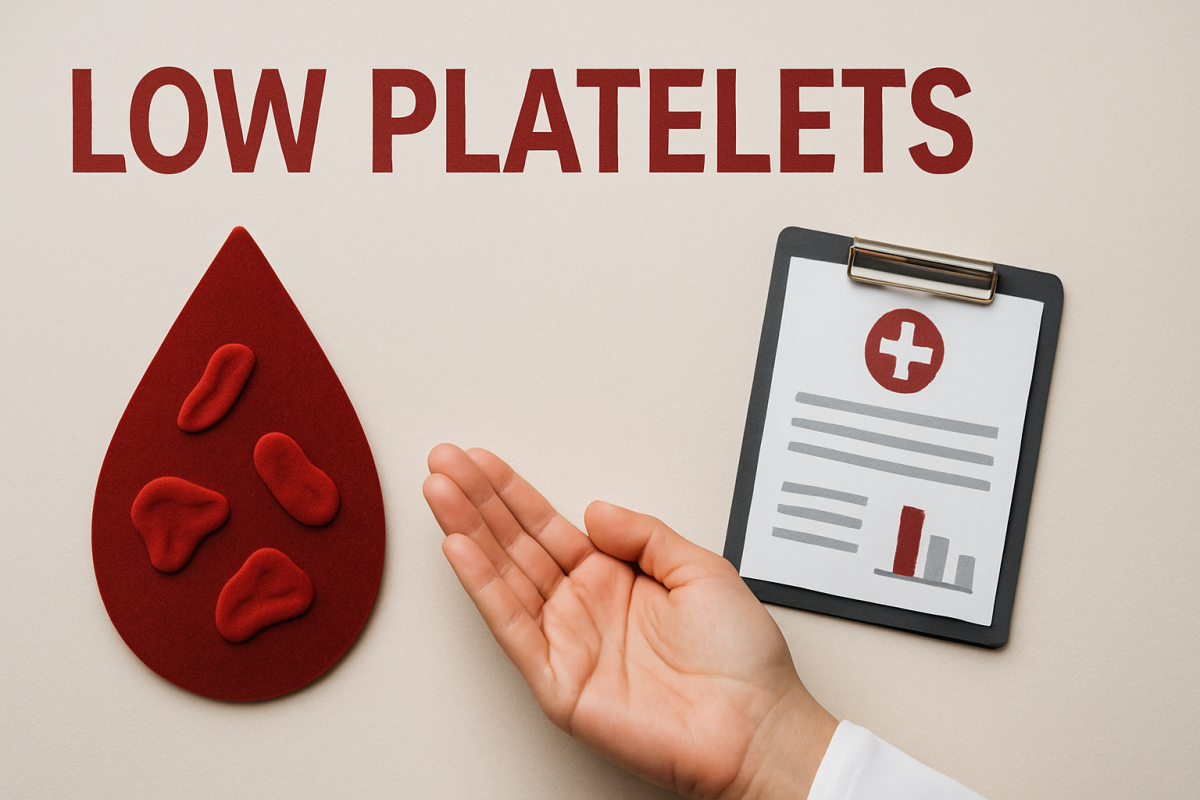
Low platelets, also known medically in medical terms as thrombocytopenia, is a hematological disorder that manifests as a drop in the number of platelets below the normal range. Platelets are vital to clotting blood and aid in wound healing. If the platelet count is low, the body’s ability to reduce bleeding is affected.
A healthy individual usually will have a count of platelets of between 150,000 and 450,000 platelets per milliliter of blood. Low platelets is when the number is below 150,000, and in extreme instances, it is below the threshold of 50,000.
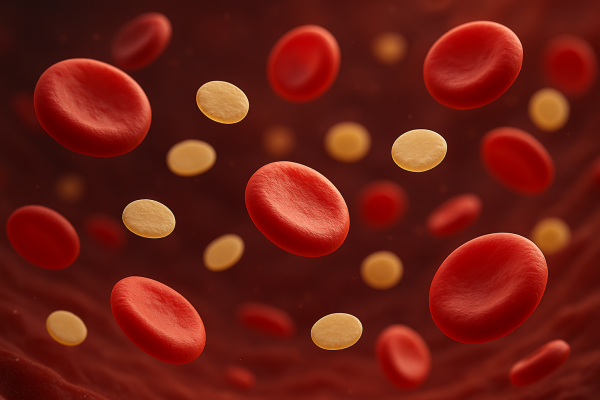
Medical Significance of Low Platelets
The body depends on platelets. They do this by making clots near the location of injury. If the low levels of platelets occur, the normal mechanism is compromised. Even minor injuries could cause bleeding that lasts for a long time, and spontaneous internal bleeding may be observed in extreme circumstances.
The condition can affect children and adults. It can be chronic or acute according to the reason for it.
Common Causes of Low Platelets
There are a variety of medical reasons that can lead to low platelets. They are typically classified according to the following:
1. Decreased Platelet Production
It happens because the bone marrow does not produce enough platelets. Some of the reasons are:
-
Leukemia and other cancers
-
Viral diseases (HIV, Hepatitis C, Epstein-Barr virus)
-
Chemotherapy or radiation
-
Nutritional deficiencies (B12 or folate)
-
Alcohol-induced bone Marrow suppression
2. Increased Platelet Destruction
This can cause low platelets as the immune system misunderstands and destroys platelets. It is caused by:
-
Autoimmune conditions like ITP (Immune Thrombocytopenic Purpura)
-
Lupus and Rheumatoid Arthritis
-
Viral or Bacterial infections
-
Quinine is a medicine or sulfa-based drug, for instance, anticonvulsants
3. Platelet Sequestration
Sometimes, platelets are trapped within an enlarged spleen. This results in a decreased amount of platelets circulating, which can cause the low levels of platelets. This is common in conditions such as:
-
Liver Cirrhosis
-
Gaucher disease
-
Hypertension at the portal
Recognizable Signs of Low Platelets
Low platelet count typically manifest with several clinical signs. A few people may show no symptoms, while others have more severe signs.
Major symptoms include:
-
Unusual bleeding (ecchymosis)
-
Spots of purple or red in the face (petechiae)
-
Numerous nosebleeds
-
Bleeding gums
-
In stools or urine, there is blood.
-
Heavy menstrual periods
-
Insomnia and fatigue
-
Long-term bleeding following injury
Bleeding into vital organs such as the brain or the gastrointestinal tract can occur when Low platelet count become severe.
Diagnostic Assessment
To determine low platelets, doctors begin with a complete blood count (CBC). In the event that platelet counts are low, further tests can be ordered to identify the reason.
Common Diagnostic Tools:
-
Blood smears from the peripheral blood vessels
-
Bone marrow biopsy (if there is a suspicion of a production issue)
-
Test of Liver Function
-
Kidney function test
-
Autoimmune panel
-
Test of load on the Viral
Review of medical history and the effects of medication are crucial in determining the underlying cause of low platelets.
Classification of Platelet Levels
Based on the number of platelets, low platelets is classified according to the following:
-
Mild: 100,000-150,000/mL
-
Moderate: 50,000-100,000/mL
-
Very Severe: Lower than 50,000/mL
-
Critical: Below 20,000/mL
Critical or severe low platelet count require immediate medical attention in order to stop internal hemorrhaging.
Management and Treatment Options
The treatment strategy is determined by the extent and reason for low platelet count. Some cases do not require the use of aggressive therapies.
Observation and Monitoring
If the case is mild, and especially for those who are asymptomatic, regular monitoring could be sufficient. A lot of cases of pregnancy-related or viral low platelet count disappear on their own.
Drug-Induced Thrombocytopenia
The stopping of the medication that causes the problem generally results in platelet recovery within a few days or weeks.
Medical Therapy
If the low levels of platelets are the result of an autoimmune process, the treatment options comprise:
-
Corticosteroids: Prednisolone reduces immune platelet destruction.
-
IV Immunoglobulin (IVIG): Useful in urgent bleeding episodes.
-
Agents for immunosuppression: Like rituximab, for cases of chronic ailment.
Platelet Transfusions
Utilized when platelet counts fall to dangerous levels or if surgery is needed. Offers a quick, temporary boost in platelet counts.
Thrombopoietin Receptor Agonists
Medicines such as Eltrombopag and romiplostim increase plateslet production during chronic low platelet count conditions.
Surgical Treatment
In some instances it is possible to consider it possible to have a surgery called a splenectomy (removal of the spleen), which could be considered to stop the loss of platelets.
Dietary Support for low platelet count
Although food alone can’t treat the problem of low platelet count, Certain nutrients help the formation of platelets:
Essential Nutrients
-
Iron-rich foods: Red meat, beans, spinach
-
Sources of Folate: Green leafy vegetables and citrus fruits
-
Vitamin B12: Dairy, eggs, and fish
-
Vitamin C: Enhances the immune system and increases iron absorption
Avoid drinking alcohol, as it can affect bone marrow health and decrease the production of platelets. Foods with high levels of processing should be avoided.
Effects on Patients with Low Platelets
People who suffer from low platelet count must take preventive measures to reduce the chance of injury or bleeding.
Recommended Precautions:
-
Avoid contact sports
-
Make use of soft toothbrushes as well as electric razors
-
Protect yourself with protective gear if needed.
-
Let medical personnel know about issues with platelets prior to any procedure
-
Beware of over-the counter blood thinners (aspirin, ibuprofen, and aspirin) as long as they are not prescribed
Prognosis and Outlook
The effect of the outcome of low platelet count is largely dependent on the root reason. The most acute of conditions, such as infection or drug reactions, generally disappear quickly. The chronic autoimmune condition might require ongoing management but is often managed successfully.
If treated properly, people who suffer from low platelet count can live lifelong, active, and healthy lives. Regular monitoring and regular follow-ups will make sure that any complications are avoided.
Summary
Low platelets is an issue that should not be overlooked, particularly when it has reached severe or critical levels. Early detection by blood tests, identifying the primary reason, and implementing the prescribed treatment regimen are essential to maintain the health of. It doesn’t matter if it’s caused by an autoimmune disease, infection, medication, or a chronic illness; low platelets can be treated effectively through the help of a physician and lifestyle changes.
