The blood cancer was once thought to be to be one of the more deadly and life-threatening conditions. In the past, those diagnosed with blood cancers typically had restricted treatment options, the survival percentages were poor. Modern medical science has drastically changed the method by which blood cancer is diagnosed, treated and controlled. Nowadays, many types of blood cancer can be treated and a few are treatable if they are diagnosed early and treated with advanced treatments.
Understanding Blood Cancer
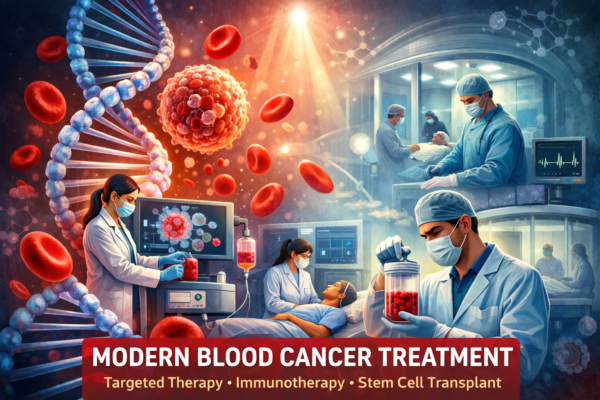
The functioning and production in blood cells. It is usually found with the bone marrow where blood cells are made. When cells that are abnormally growing grow out of control they can disrupt their normal function. Healthy blood cells are healthy. This could weaken immunity, impact the transport of oxygen and affect the body’s ability to stop bleeding.
There are three major kinds in blood cancers:
-
Leukemia – is a cancer that affects blood and bone marrow, which leads to the creation of abnormal white blood cells.
-
Lymphoma – A form of cancer that affects the lymphatic system which affects lymphocytes, a form of white blood cells.
-
Myeloma – A cancer that affects plasma cells found in bone marrow, and plays an important role in the immune defense.
Every kind of blood cancer is different however modern medicine has created specialized treatments that are specifically tailored to each kind of cancer.
A Brief History of the Evolution of Blood Cancer Treatment
In the past treatments for blood cancers were mostly restricted to radiation and chemotherapy therapy. Although these treatments could help control this disease, they typically had significant adverse consequences and could not always result in a long-term cure.
Modern advances in medical research have resulted in specific therapies, immunotherapy along with precision and targeting medicine. These new treatments are increasing the chances of survival and providing a better quality of life to patients.
The Early Diagnosis as well as Advanced Testing
One of the major advancements in the treatment of blood cancer is the ability to detect cancer early. Modern diagnostic techniques help doctors detect blood cancers earlier than they have ever been. Modern tests for blood, genetic analysis and imaging methods help doctors to understand the characteristics of cancer.
Tests like bone molecular tests, marrow biopsy and flow cytometry permit doctors to examine cancer cells in greater detail. This allows them to select the most efficient treatments for the patient in each case, thereby making treatment more customized and effective.
Targeted Therapy: A Novel Method
The development of targeted therapy has revolutionized blood cancer treatment. In contrast to conventional chemotherapy, which can affect both cancerous and healthy cell types, targeted treatment concentrates specifically on cancerous cells. The drugs target certain genetic mutations or proteins that are responsible to the proliferation of cancerous cells.
By attacking cancer cells directly, these treatments lessen the tissue damage and usually cause less side consequences. Therapy targeted to target cancer cells has proven incredible results in treating a variety of kinds of lymphoma and leukemia.
Immunotherapy is about empowering the Immune System
Another important breakthrough is immunotherapy. This revolutionary treatment is based on strengthening the body’s immune system, so it is able to recognize and eliminate cancer cells more effectively.
Different kinds of immunotherapy are being employed in the treatment of blood cancer. Monoclonal antibody, checkpoint inhibitors and CAR-T cell therapy are a few examples. CAR-T cells therapy, particularly, has demonstrated amazing results in patients suffering from certain forms of leukemia and lymphoma that were not responding to other treatments.
The treatments are the beginning of a new age in cancer treatment in which the immune system is a powerful weapon against cancer.
Bone Marrow and Stem Cell Transplantation
The procedure of stem cell transplantation is also referred to as bone marrow transplantation has been a long-standing treatment for blood cancers that are specific to a particular type. Through this procedure the bones marrow that is damaged, or infected with cancer can be replaced by healthy stem cells which can create new blood cells.
Stem cell transplants may have the characteristics of autologous (using your own cell lines) as well as an allogeneic (using the donor’s cells). The advancements in transplant methods and donor match-ups that are more efficient and better support for patients have greatly enhanced the effectiveness of these procedures.
In the case of many patients stem cell transplantation is a viable option that offers the possibility of a long-term cure or even a cure.
High-Performance Medicine for Blood Cancer
Precision medicine is yet another effective method of transforming the treatment for blood cancer. Instead of utilizing a universal method, doctors study the genetic structure of cancerous cells within a patient’s. This data helps pinpoint specific mutations that cause the cancer.
Based on these results Doctors can then select treatments which directly target the mutations. Precision medicine assures patients receive the best treatments succeed in treating their particular disease.
This method not only increases the efficacy of treatments, but also helps reduce undesirable side effects resulting caused by ineffective treatments.
Increased Survival Rates
Due to the advancements in medical technology the survival rates for a variety of blood cancers have increased significantly in the past decade. The conditions that were once thought to be fatal are now treatable chronic conditions in a variety of instances.
For instance, certain kinds of leukemia have high rates of survival when treated early using modern treatments. Research and clinical trials that continue to be conducted introduce new drugs and treatment methods that enhance the outcomes.
The importance of regular monitoring
Even after a successful treatment, routine follow-up is vital. Doctors keep track of patients with regular exams of the blood and imaging and physical examinations to identify any indications of the recurrence of disease.
The latest developments that have been made in the field of technology for minimal residual disease (MRD) testing allows doctors to spot even small quantities of cancerous cells that are still present. This aids in making treatment options and avoids relapses.
Hope for the Future
The research in the field of blood cancer treatment is progressing quickly. Researchers are looking into the development of new therapies for immunotherapy, including gene therapy and other treatments that can boost cure rates.
Artificial intelligence and cutting-edge genomic research are aiding doctors in understanding the behavior of cancer. The advancements in technology could soon enable even more targeted and efficient treatments.
With the constant advancement of medical technology, the future of patients with blood cancer appears more optimistic than ever.
Conclusion
The diagnosis of blood cancer was once thought as a cause of death However, modern medicine has revolutionized the way we treat it. Innovations in early diagnosis targeted treatment, immunotherapy, stem cell transplantation, as well as precision medicine are drastically improving the survival rate and health outcomes for those suffering from the disease.
Although there are still challenges, ongoing research and technological advances are bringing hope to the masses. Today, a lot of patients suffering from blood cancer are looking toward living longer and healthier life spans and, in some instances there is a chance of the possibility of a complete cure.
For expert hematologist consultation and comprehensive care, please contact us
