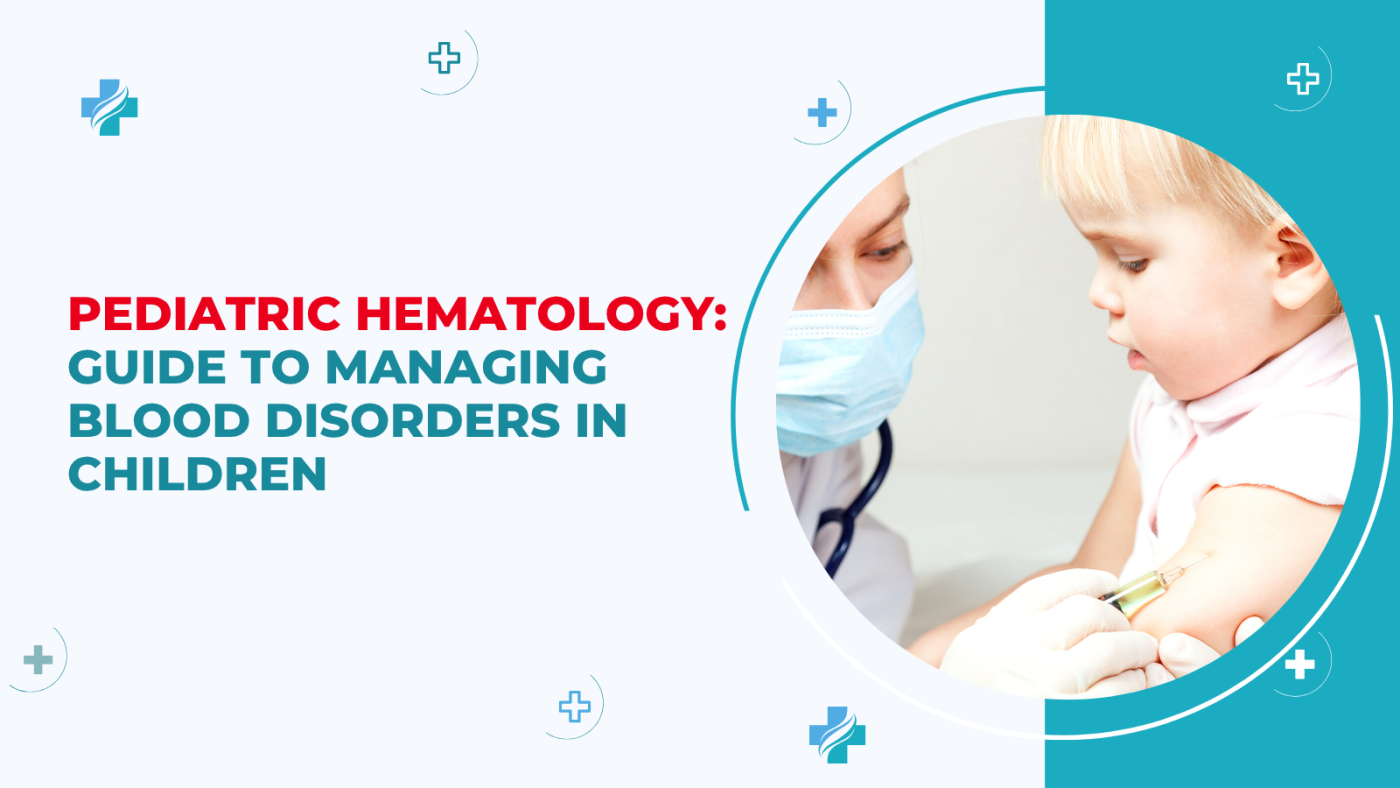
Pediatric Hematology can be described as a medical specialty that is focused on diagnosing the, managing, and treating blood issues in children, ranging from infants through adolescents. Children may experience a variety of blood-related disorders that can be genetic, while others arise due to the environment or other immune-related factors. A timely diagnosis and the right treatment can dramatically improve the outcomes and the quality of life for children.
What Is Pediatric Hematology?
Pediatric Hematology is a field that deals with conditions which affect bone marrow, blood, and lymphatic system of children. These diseases can affect the red blood cells and white blood cells platelets, and the factors that clot the blood. A pediatric Hematologist is a doctor who is trained to recognize and treat these conditions using treatment options, both medical and supportive.
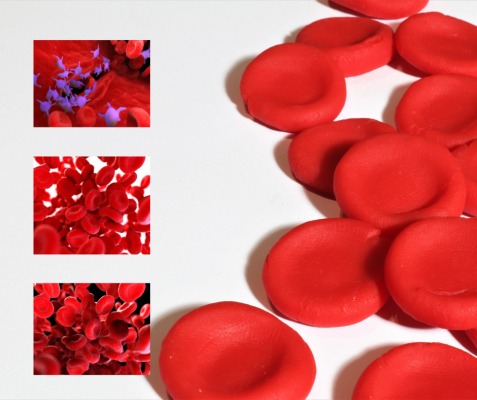
Common Areas of Pediatric Hematology
-
Anemia as well as its different forms such as iron-deficiency anemia sickle cell anemia and aplastic anemia.
-
Bleeding conditions like hemophilia, von Willebrand’s disease and defects in platelet function.
-
The disorder of clotting such as deep vein thrombosis (DVT) and thrombophilia in kids.
-
Bone marrow dysfunction syndromes which include Fanconi anemia, and the Diamond-Blackfan anemia.
-
Cancers of the blood in kids including lymphoma and leukemia (shared the same specialty as the field of pediatric oncology).
Importance of Early Diagnosis in Pediatric Hematology
The bodies of children are still developing so blood disorders could affect development, immunity general health. Early detection of blood disorders allows treatments to be initiated before problems occur. Pediatric hematologists make use of sophisticated diagnostic tools like:
-
Total blood count (CBC)
-
Peripheral blood Smears
-
Bone Marrow aspiration and biopsy
-
Genetic testing for blood disorders
-
Studies of coagulation for bleeding and clotting problems
Common Conditions Managed in Pediatric Hematology
1. Pediatric Anemia
Anemia is characterized by an increase in the healthy hemoglobin or red blood cells. For children, the main reason is a deficiency in iron, usually due to food deficiencies or rapid growth. Other causes are chronic illnesses such as thalassemia, genetic conditions that are passed down through the generations and bone marrow diseases.
Treatment could include vitamin therapy, iron supplements blood transfusions, and, in extreme cases bone Marrow Transplantation.
2. Sickle Cell Disease
The inherited disease alters red blood cell shape which makes them stiff and sickle-like. They can hinder blood flow, leading to inflammation, pain as well as organ injury. Pediatric hematology specialists treat sickle cell disease by conducting regular surveillance vaccines, antibiotics, and sometimes hydroxyurea therapy as well as stem cells transplantation.
3. Bleeding Disorders
Children who suffer from bleeding disorders might get easily bruised, experience frequent nosebleeds, or suffer extended bleeding following minor cuts. The conditions like hemophilia can occur due to a shortage of factors that clot, and platelet problems impact the cells that cause blood clot formation.
Treatment involves factor replacement therapy and antifibrinolytic medications and preventive measures to reduce the risk of injuries.
4. Clotting Disorders
While less prevalent for children than adults, bleeding disorders may still happen and are caused by genetics or acquired. Hematology treatment for children includes anticoagulant medication, lifestyle changes and monitoring to avoid complications.
5. Leukemia and Other Blood Cancers
Leukemia is among the prevalent cancer that children suffer from. It is a problem with bone marrow’s ability to make regular blood vessels. Treatment includes chemotherapy or targeted therapy, immunotherapy, and occasionally the transplantation of stem cells. Pediatric hematologists work in conjunction with pediatric oncologists to offer comprehensive treatment.
Diagnostic Approach in Pediatric Hematology
A child who is suspected of having a blood disorder is subject to an extensive evaluation:
-
History of medical conditions that includes blood disorders in the family
-
Physical exam to check for an enlarged spleen, pallor or unusual bruises.
-
Tests for laboratory for assessing the number of blood cells, their clotting capability and iron levels
-
Imaging In certain instances it is used to identify organ involvement
The aim is to determine the cause for the issue and formulate an appropriate treatment plan that is specific to the child’s specific needs and conditions.
Treatment Methods in Pediatric Hematology
Medications
A variety of conditions of blood are treated by taking medications such as ferrous supplements, folate acid concentrates on clotting factor as well as anticoagulants.
Blood Transfusions
It is used in cases of severe sickle cell disease, anemia and other conditions that cause clotting to replace insufficient or damaged blood cells.
Bone Marrow Transplantation
For some inherited or acquired diseases Bone marrow transplantation could be a cure.
Lifestyle & Supportive Care
A balanced diet, infection prevention regular check-ups and family counseling are essential elements of pediatric hematology treatment.
Role of a Pediatric Hematologist
A pediatric Hematologist does not just treat the disease, but also helps the child’s development, growth as well as emotional wellbeing. They collaborate alongside other subspecialists in pediatrics dieteticians, physiotherapists and psychologists to provide complete care.
Principal responsibilities include:
-
Monitoring and diagnosis that is accurate
-
The creation of individual treatment strategies
-
Informing families about the child’s health condition
-
Early intervention can prevent complications.
The Future of Pediatric Hematology
The advancements on genetic research and targeted therapy and diagnostic tools that are minimally invasive are changing the way in which pediatric hematology is performed. The field of personalized medicine is set to become an integral element of treatment, providing the most precise and efficient treatment for children suffering from blood disorders.
Final Thoughts
Pediatric Hematology has an essential role to ensure that kids suffering from blood disorders receive expert and compassionate treatment. Early detection, precise diagnosis and timely treatment can make a huge impact. Modern medical advances along with a multidisciplinary strategy youngsters can live longer and active lives.
