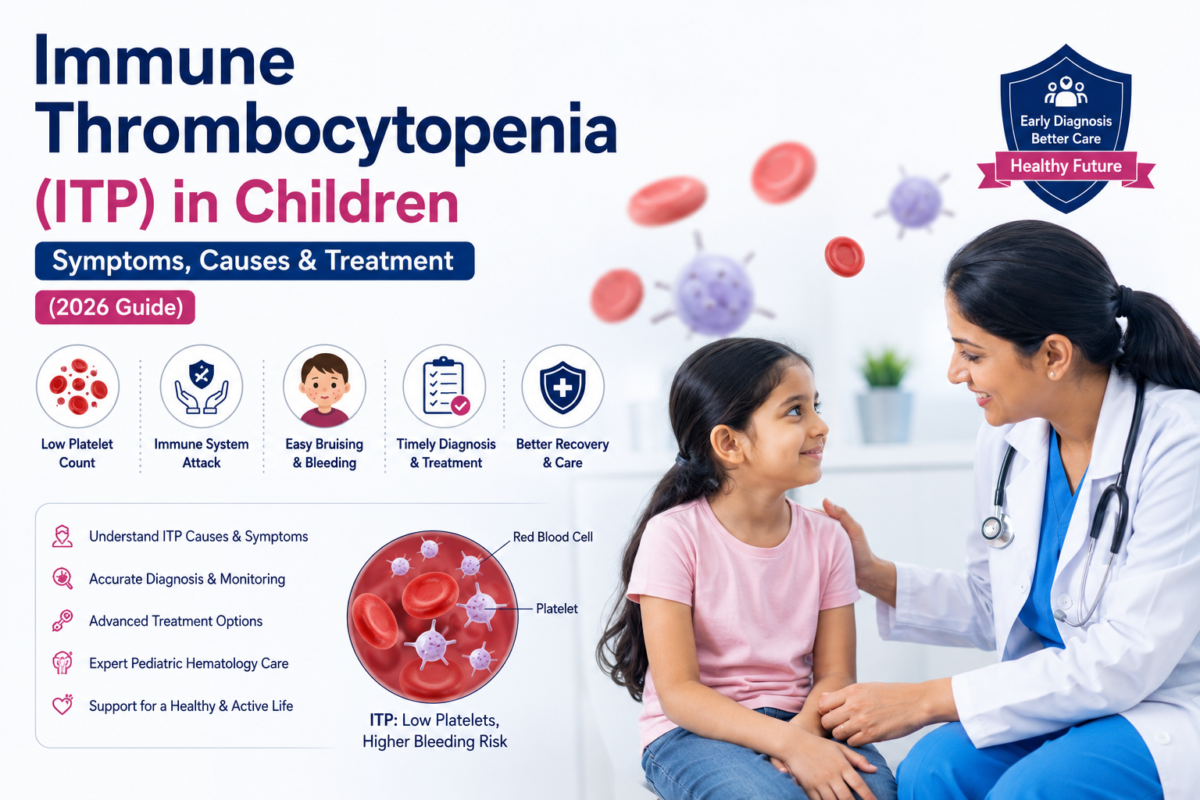
Immune Thymbocytopenia (ITP) among children an illness of the blood that results in low platelet counts. Platelets are crucial blood cells that aid in stopping bleeding through the formation of the clots. If platelet levels are too low, children can suffer from easy bleeding, bruising or small blood-red spots that appear on skin.
ITP is among the most frequently cited reasons for low platelet counts in kids. In most cases the condition manifests following a viral infection, and it can resolve within weeks or even months. But, a few children suffer from ITP that is chronic. ITP that requires ongoing surveillance and treatment.
Awareness of the condition known as the immune system Thrombocytopenia among children is rising due to the fact that early detection and appropriate medical treatment can prevent serious bleeding issues and enhance the quality of life.
What is Immune Thrombocytopenia (ITP)?
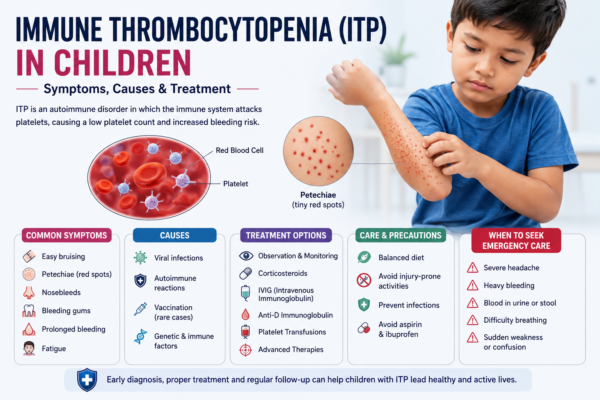
Immune The thrombocytopenia (ITP) can be described as an auto-immune disease in which the immune system of the body mistakenly attacks and eliminates platelets.
Usually, platelets aid in controlling bleeding. When children suffer from ITP the immune system recognizes platelets as a threat and eliminates these from blood stream. This results in a lower number of platelets and an increased chance of bleeding.
ITP can develop at any time, but it is typically found in children between the ages of 2 to 10 years of age.
There are two kinds of ITP in children:
Acute ITP
Acute ITP occurs suddenly and typically lasts for less than six month. A majority of children recover completely, without lasting issues.
Chronic ITP
Chronic ITP can last for more than 12 months, and could require regular medical attention and surveillance.
ITP: The Causes ITP in children
The precise cause of the condition known as Immune Thrombocytopenia among children isn’t always clear. However, there are a myriad of factors that could cause the condition.
Infections Viral
ITP usually develops following viral infections like:
- Flu
- Chickenpox
- Measles
- Viral fever
- Infections of the respiratory tract
The immune response that is triggered by these infections can be triggered by a mistaken attack on platelets.
Autoimmune Reactions
In ITP the immune system makes antibodies that attack healthy platelets.
Vaccination-Related Triggers
In rare instances certain vaccines can temporarily cause low platelet counts in children.
The Genetics and the Immune Influences
Certain children might have immune system disorders that can raise the risk of developing autoimmune diseases.
Signs and symptoms that are a symptom of Immune Thrombocytopenia in children
The signs and symptoms of children’s ITP may vary based on the number of platelets. Children may experience minor symptoms, while others might have more serious bleeding issues.
Common symptoms are:
Easy Bruising
Children who suffer from ITP might develop bruises after minor injury.
Tiny Purple or Red Spots on the skin
The spots are referred to as petechiae, and they are caused by bleeding that occurs under the skin.
Frequent nosebleeds
The frequent occurrence of nosebleeds could be an indication lower platelets.
Bleeding Gums
Children may experience bleeding gums when brushing their teeth.
Prolonged bleeding
Injuries or cuts may cause bleeding for longer in comparison to normal.
The presence of blood in Urine or in the stool
In the most severe instances internal bleeding could be observed.
Fatigue
Children may be exhausted or weak.
Parents are advised to seek medical attention in the event of unusual bruises or bleeding within their child.
How ITP is Diagnosed in Children
Doctors identify the condition of Immune Thrombocytopenia by physical exam, medical history along with blood tests.
Complete Blood Count (CBC)
A CBC determines the level of platelets and assists in confirming the presence of thrombocytopenia.
Peripheral Blood Smear
This test aids doctors in examining blood cells with the microscope.
Physical Exam
Doctors examine for petechiae, bruises and indications of bleeding.
Additional Tests
In certain cases, additional tests are required in order to determine if there is leukemia infections or other blood disorders.
The early diagnosis is crucial to ensure the proper care and follow-up.
Therapy to treat Immune the thrombocytopenia of children
The treatment is based upon the level of platelet in the child’s blood, the symptoms and the degree of bleeding.
Children with mild ITP may not require immediate treatment, but may require constant monitoring.
Monitoring and Observation
Children who have mild symptoms and healthy platelet levels can be able to recover without medications.
Corticosteroids
Steroids decrease the activity of the immune system as well as lower the destruction of platelets.
Intravenous Immunoglobulin (IVIG)
IVIG may temporarily boost platelet counts, and is typically utilized in severe or moderate instances.
Anti-D Immunoglobulin
This treatment can be utilized for select patients.
Transfusions of Platelets
Transfusions of platelets are typically reserved for extreme bleeding emergencies.
Advanced Therapies
Children who have ITP that is chronic or resistant to treatment might require:
- Rituximab
- Thrombopoietin receptor agonists
- Anti-suppressive medicines
The treatment plans are customized according to the child’s needs.
Can ITP in Children Be Cured?
A large number of children suffering from acute ITP recuperate completely in some months. In a few instances, platelet counts return to normal, without treatment.
Children who suffer from chronic ITP might experience lower platelet counts for longer time, but they can remain active and healthy lives when properly managed.
The general outlook for children suffering from ITP is generally very positive.
ITP Complications Pediatric ITP
A majority of children who suffer from ITP don’t develop any grave complications. However, thrombocytopenia that is severe can increase the chance of bleeding.
The possible complications are:
- Nasal bleeding that is severe
- Gastrointestinal bleeding
- The bleeding is intense after injury.
- Rare bleeding from the brain
Regularly monitored and prompt treatment reduces the risks.
Tips on Lifestyle and Diet for Children with ITP
Healthy lifestyles can help the recovery process and lower the risk of bleeding.
Encourage Nutritious Foods
Children should consume healthy, balanced meals that are with a high content of:
- Fruits
- Vegetables
- Iron-rich foods
- Protein sources
Beware of Activities that may cause injury
Children who have very low platelets may have to be able to play contact sports only for a short period of time.
To prevent infections
Regular medical attention are crucial.
Beware of certain medications
Certain medications, such as Ibuprofen and aspirin can increase the risk of bleeding.
Parents should always seek the advice of a physician prior to giving medication.
When should parents seek emergency Medical
Medical attention immediately is required If a child is exhibiting any of the following symptoms:
- Headache severe
- Vomiting
- Breathing difficulties
- Massive bleeding
- Urine or stool blood
- A sudden weakness or confusion
These symptoms could be a sign of the presence of serious bleeding complications.
The Future of ITP Treatment for Children
The research of pediatric hematology research is enhancing the treatment options for patients suffering from Immune Thrombocytopenia.
New treatments aim to:
- Enhance the production of platelets
- Reduce immune-related platelet destruction
- Minimize side effects
- Improve the long-term quality of life
New developments in targeted therapies as well as customized medicine are predicted to improve the outcomes of children suffering from chronic ITP.
