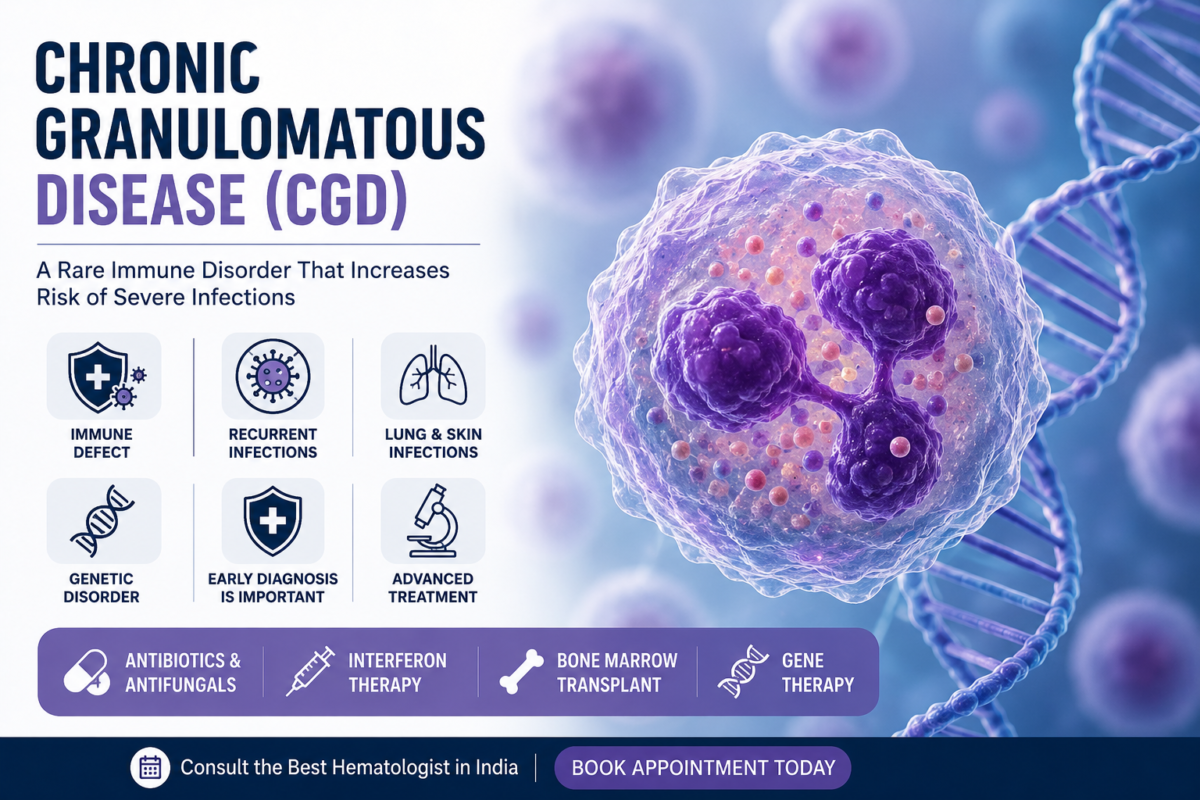
Chronic Granulomatous Disease (CGD) is a rare inherited immune system disorder that affects the body’s ability to fight certain bacterial and fungal infections. In people with Chronic Granulomatous Disease, specific white blood cells called phagocytes are unable to destroy harmful germs effectively. As a result, patients experience repeated infections and inflammation in different parts of the body.
Although Chronic Granulomatous Disease is uncommon, early diagnosis and proper medical care can help patients lead healthier and more active lives. Advances in treatment, infection prevention, and stem cell transplantation have significantly improved the long-term outlook for individuals living with this condition.
Understanding the symptoms, causes, diagnosis, and treatment options for Chronic Granulomatous Disease is important for early management and reducing complications.
What Is Chronic Granulomatous Disease?
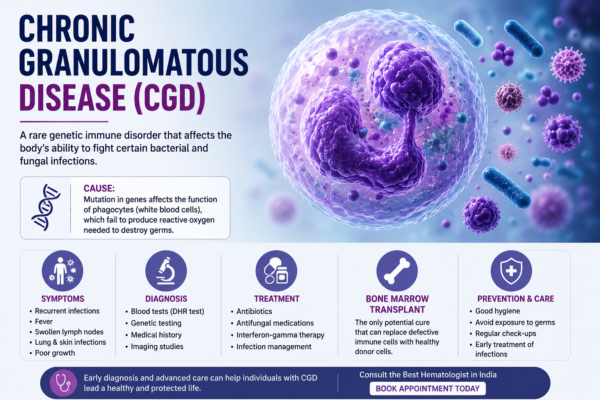
Chronic Granulomatous Disease is a genetic disorder that affects the immune system. The condition occurs when certain immune cells cannot produce enough reactive oxygen substances needed to kill bacteria and fungi.
Normally, white blood cells protect the body by engulfing and destroying harmful microorganisms. In CGD, these immune cells can trap germs but cannot eliminate them completely. This leads to persistent infections and inflammation.
The term “granulomatous” refers to granulomas, which are clusters of immune cells that form in tissues due to chronic inflammation. These granulomas may develop in organs such as the lungs, skin, liver, gastrointestinal tract, and lymph nodes.
Causes of Chronic Granulomatous Disease
Chronic Granulomatous Disease is caused by mutations in genes responsible for producing proteins involved in the immune system’s defense mechanism.
These gene mutations affect an enzyme complex called NADPH oxidase, which plays an essential role in destroying bacteria and fungi. When this enzyme does not function properly, the immune system becomes less effective at fighting infections.
CGD is usually inherited and may follow different genetic patterns:
X-Linked Chronic Granulomatous Disease
This is the most common form of CGD and mainly affects boys. The defective gene is located on the X chromosome.
Autosomal Recessive Chronic Granulomatous Disease
This form occurs when both parents pass an abnormal gene to the child. It can affect both boys and girls.
Because Chronic Granulomatous Disease is genetic, family history may increase the risk of the condition.
Symptoms of Chronic Granulomatous Disease
Symptoms of Chronic Granulomatous Disease often begin during infancy or early childhood, although some cases may be diagnosed later in life.
The severity of symptoms can vary from person to person.
Recurrent Infections
Repeated bacterial and fungal infections are one of the most common signs of CGD. These infections may affect:
- Lungs
- Skin
- Liver
- Bones
- Lymph nodes
- Gastrointestinal tract
Patients may experience pneumonia, abscesses, skin infections, or severe fungal infections multiple times.
Fever
Frequent fever due to recurring infections is common in individuals with CGD.
Swollen Lymph Nodes
Inflammation and infection may cause enlarged lymph nodes.
Fatigue and Weakness
Repeated illness can result in tiredness, poor growth, and reduced energy levels.
Gastrointestinal Problems
Some patients develop inflammation in the digestive tract, leading to:
- Abdominal pain
- Diarrhea
- Vomiting
- Poor appetite
- Weight loss
Granuloma Formation
Granulomas can block normal passageways in organs and cause complications in the stomach, intestines, or urinary tract.
Common Infections Seen in Chronic Granulomatous Disease
People with Chronic Granulomatous Disease are particularly vulnerable to certain bacteria and fungi.
Common organisms associated with CGD include:
- Staphylococcus aureus
- Aspergillus species
- Serratia marcescens
- Burkholderia cepacia
- Salmonella
- Klebsiella
These infections may become severe if not treated early.
How Chronic Granulomatous Disease Is Diagnosed
Early diagnosis is extremely important for preventing complications and improving quality of life.
Doctors may suspect Chronic Granulomatous Disease in children who experience repeated or unusual infections.
Medical History and Physical Examination
The doctor evaluates symptoms, infection history, growth pattern, and family history.
Blood Tests
Special blood tests help assess immune system function.
Dihydrorhodamine (DHR) Test
The DHR test is commonly used to diagnose CGD. It measures how effectively white blood cells produce reactive oxygen substances.
Nitroblue Tetrazolium Test
This older test may also help evaluate immune cell function.
Genetic Testing
Genetic testing identifies mutations responsible for Chronic Granulomatous Disease and helps confirm the diagnosis.
Imaging Studies
X-rays, CT scans, or ultrasounds may be used to detect infections or granuloma formation in organs.
Complications of Chronic Granulomatous Disease
Without proper treatment, Chronic Granulomatous Disease can lead to serious complications.
Severe Lung Infections
Repeated pneumonia may damage lung tissue over time.
Liver Abscesses
Liver infections and abscess formation are common complications in CGD patients.
Growth Problems
Children with recurrent infections may experience delayed growth and development.
Chronic Inflammation
Persistent inflammation can affect the digestive system, urinary tract, and other organs.
Organ Damage
Long-term infections may result in permanent tissue damage if not managed properly.
Treatment for Chronic Granulomatous Disease
Treatment for Chronic Granulomatous Disease focuses on preventing infections, controlling inflammation, and improving immune system function.
Antibiotics
Preventive antibiotics help reduce the risk of bacterial infections.
Patients may need long-term antibiotic therapy to prevent recurrent illness.
Antifungal Medications
Antifungal medicines are commonly prescribed because fungal infections can become severe in CGD.
Interferon-Gamma Therapy
Interferon-gamma injections may help strengthen the immune response and reduce infection frequency in some patients.
Treatment of Active Infections
Serious infections may require:
- Intravenous antibiotics
- Hospitalization
- Drainage of abscesses
- Intensive monitoring
Corticosteroids
Steroids may be used to reduce severe inflammation or granuloma-related complications.
Bone Marrow Transplant for Chronic Granulomatous Disease
Hematopoietic stem cell transplantation, also called bone marrow transplant, is currently the only potential cure for Chronic Granulomatous Disease.
During the procedure, defective immune cells are replaced with healthy donor cells.
Bone marrow transplantation may be recommended for patients with severe infections, significant complications, or poor quality of life.
Successful transplantation can greatly improve immune system function and long-term survival.
Gene Therapy for Chronic Granulomatous Disease
Gene therapy is an emerging treatment option being studied for CGD.
This approach aims to correct the defective gene responsible for the disease. Research in gene therapy continues to show promising results for the future management of inherited immune disorders.
Living with Chronic Granulomatous Disease
Proper medical care and infection prevention are essential for managing Chronic Granulomatous Disease.
Patients and families should follow several important precautions:
- Maintain good hygiene
- Avoid exposure to mold and contaminated environments
- Take medications regularly
- Attend routine medical checkups
- Seek immediate treatment for fever or infection symptoms
Nutritional support and emotional care also play an important role in improving overall well-being.
Can Chronic Granulomatous Disease Be Prevented?
Since CGD is a genetic condition, it cannot always be prevented. However, genetic counseling may help families understand the risk of passing the disorder to children.
Families with a history of CGD may benefit from prenatal testing and early screening.
Prognosis of Chronic Granulomatous Disease
The prognosis of Chronic Granulomatous Disease has improved significantly over the years due to advances in diagnosis and treatment.
With proper medical management, many patients can lead productive and fulfilling lives. Early diagnosis, preventive medications, and access to specialized healthcare greatly reduce the risk of severe complications.
Bone marrow transplantation has also improved long-term outcomes for many patients with severe disease.
Conclusion
Chronic Granulomatous Disease is a rare but serious inherited immune disorder that increases the risk of repeated bacterial and fungal infections. Early diagnosis and proper treatment are essential to reduce complications and improve quality of life.
With advancements in modern medicine, preventive antibiotics, antifungal therapy, interferon treatment, and bone marrow transplantation have significantly improved outcomes for patients living with Chronic Granulomatous Disease.
If your child or family member experiences recurrent infections, persistent fever, or immune-related complications, consulting the best hematologist in India can help ensure accurate diagnosis and advanced treatment options at the right time.
Early medical care and regular follow-up play a major role in managing Chronic Granulomatous Disease successfully and improving long-term health outcomes.
Book appointment today with the best hematologist in India for expert evaluation, personalized treatment, and comprehensive care for immune and blood-related disorders.
