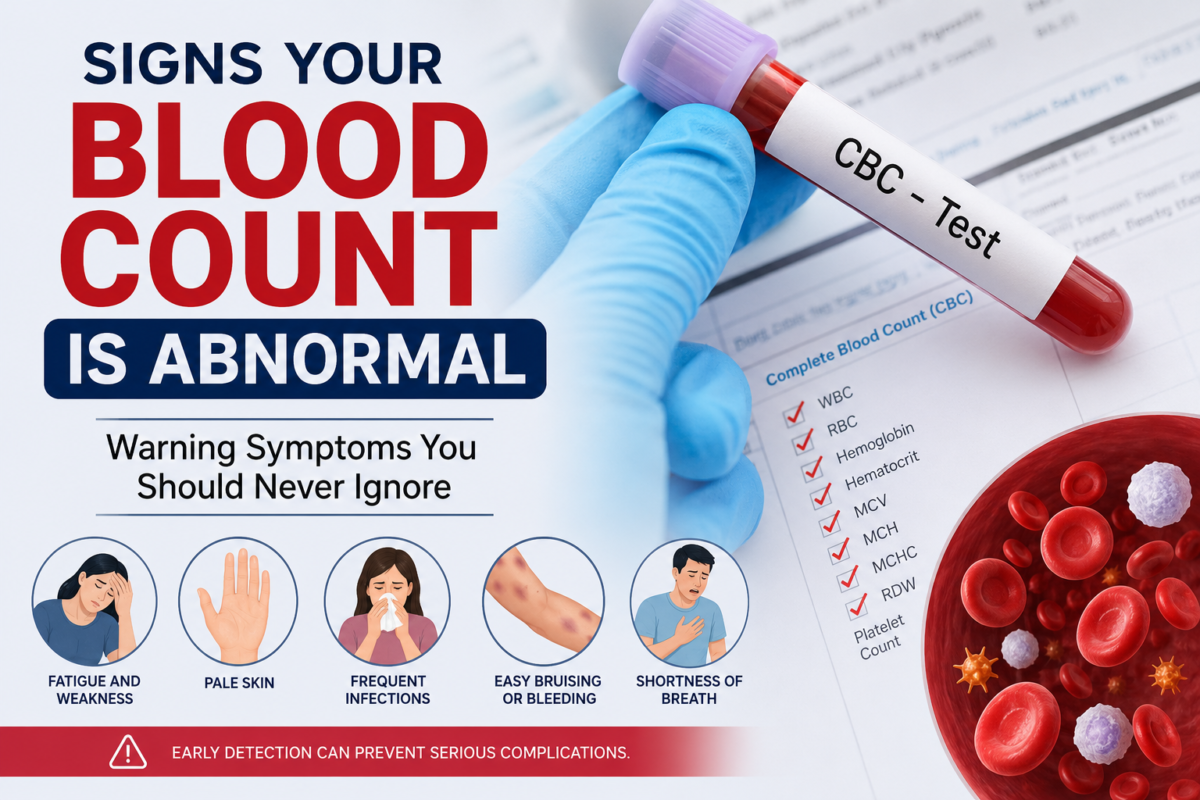
Blood is among the most vital components in the body of a human. It transports oxygen, eliminates debris, fights infection and aids in healing wounds. When the levels of blood cells change and the body begins to show various signs of warning. Most people do not notice these signs in the beginning because they seem common or even harmless. However, abnormal blood count could indicate serious medical issues like anemia or infections, bone marrow diseases and immune-related diseases. blood cancers.
Being aware of how to recognize Signs Your Blood Count is abnormal will aid in the identification of problems early and timely treatment. Routine blood testing and an awareness of signs are crucial to maintaining a healthy lifestyle and avoiding complications.
What Does an Abnormal Blood Count Mean?
A blood count is the amount of blood cells that are present within the body. Doctors generally do an Complete Blood Count (CBC) test to determine the general blood health.
The CBC test is used to measure:
- Red Blood Cells (RBCs)
- White Blood Cells (WBCs)
- Platelets
- Hemoglobin
- Hematocrit
Every blood cell has a crucial purpose. If levels are excessively high or low, a variety of health issues can develop.
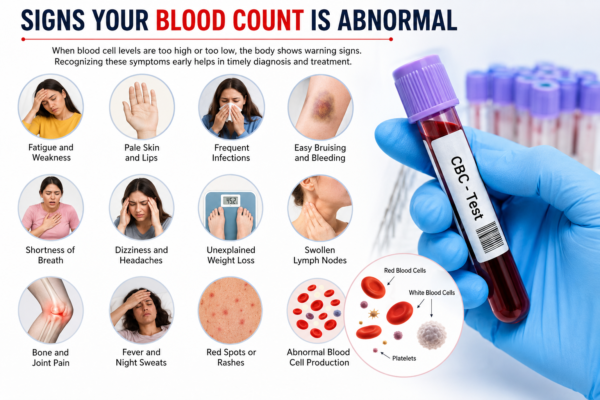
Common Signs Your Blood Count is Abnormal
The body typically provides early warning signs when blood counts begin to fluctuate. Early recognition of these symptoms can assist in avoiding major problems.
Persistent Fatigue and Weakness That Does Not Improve
The most commonly reported signs Your Blood Count is Abnormal is a constant feeling of fatigue and weakness. The low levels of red blood cells cut off oxygen flow to tissues, making you feel tired.
People may experience:
- Insufficiency of energy throughout the day
- Insomnia after a small amount of physical activity
- It is difficult to concentrate
- Feeling tired even after adequate sleep
Affects blood count usually lasts for a prolonged period of time and then may slowly worsen.
Pale Skin, Lips, and Nail Beds
Skin that is pale can be caused by low hemoglobin or anemia. Red blood cells that are depleted decrease oxygen circulation, which causes skin to change color.
Paleness could be evident in:
- Face
- Lips
- Fingernails
- Eyelids in the inner eye
If the skin appears pale and is coupled with dizziness or weakness, it could be a sign of a blood-related issue that requires medical attention.
Frequent Infections and Low Immunity
White blood cells shield the body from infection by bacteria virus, bacteria, and other harmful microorganisms. If the count of white blood cells is abnormal the immune system could decrease in strength.
Common symptoms are:
- Frequent fever
- Infections of the throat that recur
- Chronic colds and coughs
- Instability in recovering from infection
People who have low white blood cell counts can be more susceptible to illness than people with normal levels.
Easy Bruising and Unusual Bleeding Problems
Platelets aid in the clotting of blood after injury. A low level of platelets can cause bleeding and bruising that is excessive, even when injuries are minor.
Signs of danger comprise:
- Nosebleeds frequently frequent
- Bleeding gums
- Menstrual bleeding that is heavy
- Spots of red or purple on the skin
- No injury or bruising
These signs could indicate bone marrow or platelet issues and should not be dismissed.
Shortness of Breath During Normal Activities
The low levels of red blood cells decrease the flow of oxygen throughout the body. This can cause breathing difficulties when performing routine tasks.
It could be a sign of:
- Breathlessness during walking
- The stairs are difficult to climb.
- Rapid breathing
- Chest discomfort during exertion
Breathlessness due to abnormal blood counts usually gets worse with time.
Dizziness, Headaches, and Difficulty Concentrating
The brain needs a continuous oxygen supply to function properly. If blood count levels become irregular and oxygen supply to the brain can decrease.
This could lead to:
- Frequent headaches
- Lightheadedness
- Dizziness
- Trouble concentrating
- Afflicting episodes
The symptoms are typically observed in those suffering from anemia as well as other blood disorders.
Unexplained Weight Loss and Loss of Appetite
Rapid weight loss with no changes to exercise or diet may be linked to serious blood disorders.
Certain blood cancers as well as bone marrow disease can affect appetite and metabolism and lead to
- Rapid weight loss
- Poor appetite
- Weakness
- Fatigue
Weight loss that persists without explanation is a sign to have a medical evaluation.
Swollen Lymph Nodes and Persistent Fever
Lymph nodes that are swollen may be a sign of an immune disorder, infection or blood cancers that affect blood white cells.
The swelling of lymph nodes is common in:
- Neck
- Underarms
- Groin
The persistent fever and the lymph nodes that have gotten larger shouldn’t be overlooked particularly when it is they are associated with weight loss or fatigue.
Bone Pain and Joint Discomfort
Certain blood disorders directly affect the bone marrow and can lead to discomfort in joints and bones.
Common symptoms are:
- Back back pain
- Leg discomfort
- Joint stiffness
- Bone tenderness
Bone pain caused by blood disorders can gradually turn serious.
Night Sweats and Excessive Sweating
Night sweats are common in patients with blood-related illnesses as well as immune system disorders.
People may experience:
- Excessive sweating during sleep
- The fever is not caused by infection.
- The feeling of chills and weakness
The cause of persistent night sweats must be inspected by a health professional.
Major Causes of Abnormal Blood Counts
A variety of medical conditions can impact the production of blood cells and their function.
Anemia and Nutritional Deficiencies
Anemia is among the most frequent causes of blood counts that are abnormal. It happens when red blood cells or hemoglobin levels drop.
Common causes are:
- Iron deficiency
- Vitamin B12 deficiency
- Folate deficiency
- Blood loss
Anemia decreases the flow of oxygen to the body and leads to weakness and fatigue.
Severe Infections and Immune Disorders
Certain infections can increase or reduce the number of white blood cells. In addition, autoimmune illnesses can destroy healthy blood cells.
Bone Marrow Disorders
The bone marrow is the source of blood cells. The marrow is susceptible to damage that can cause disruption to the normal production of blood cells.
Examples include:
- Failure of the bone marrow
- Aplastic anemia
- Myelodysplastic syndromes
Blood Cancers Affecting Blood Cell Production
Certain cancers directly affect the function of bone marrow and blood.
Examples include:
- Leukemia
- Lymphoma
- Multiple myeloma
These conditions can result in serious blood counts problems.
Platelet Disorders and Clotting Problems
The clotting of blood is affected by platelet disorders and can increase the risk of bleeding.
People may develop:
- Frequent bruising
- Bleeding gums
- Nosebleeds
- A lot of bleeding following injuries
Tests Used to Diagnose Abnormal Blood Counts
Doctors conduct a variety of tests to determine blood-related disorders.
Complete Blood Count (CBC) Test
The CBC test is one of the commonly used test for blood that is used to identify anomalies.
It is measured:
- Red blood cells
- White blood cells
- Platelets
- Hemoglobin levels
This test can help identify the presence of anemia, infections or platelet disorders as well as blood cancers.
Peripheral Blood Smear Examination
A blood smear enables doctors to study blood cells using microscopes to detect irregular dimensions and shapes.
Bone Marrow Examination
A bone marrow test could be suggested if doctors suspect that there are serious problems with the marrow as well as blood cancers.
Additional Blood Investigations
Other tests could be:
- Studies on iron
- Vitamin B12 levels
- Clotting profile
- Screening for infections
- Genetic testing
Treatment Options for Abnormal Blood Counts
Treatment is dependent on the root reason and the extent of the problem.
Iron and Vitamin Supplements
Anemia caused by deficiency is often improved with nutritional supplements and changes in diet.
Medications to Improve Blood Cell Production
Doctors can prescribe medicines to:
- The production of blood cells is increased.
- To treat infections
- Control immune disorders
Blood and Platelet Transfusions
Patients suffering from extremely low blood counts might require platelet transfusions, or blood transfusions.
Chemotherapy and Targeted Therapy
Cancers of the blood typically require more sophisticated treatments, such as chemotherapy, immunotherapy or targeted treatment.
Bone Marrow Transplant for Serious Blood Disorders
Certain blood disorders that are severe might require a bone marrow transplant to bring back healthy red blood cells.
Best Ways to Maintain Healthy Blood Counts Naturally
Lifestyle habits that are healthy can help support the production of blood cells and overall health.
Eat Nutrient-Rich Foods for Healthy Blood Production
Foods that are rich in iron folate, vitamin B12 and vitamin B12 and protein can help maintain healthy blood counts.
Foods that are healthy include:
- Green leafy vegetables
- Eggs
- Fish
- Fruits
- Nuts
- Beans
- Lean meat
Stay Hydrated and Maintain Good Circulation
A healthy intake of water is essential to maintain circulatory system and body functioning.
Exercise Regularly for Better Blood Health
Regular exercise improves circulation and improves immune function.
Avoid Smoking and Excess Alcohol Consumption
Alcohol and smoking can negatively impact the production of blood cells as well as decrease the body’s immune system.
Importance of Regular Health Checkups and Blood Tests
Regular blood tests can identify irregularities before complications occur.
When Should You Consult a Hematologist?
See a doctor or hematologist in case you suffer from:
- Persistent fatigue
- Numerous infections
- Rare bleeding or bruising
- Breathlessness
- Swollen lymph nodes
- Sudden weight loss
- Persistent fever
Early diagnosis plays an essential part in the success in rehabilitation and treatment.
Conclusion
Recognizing the Signs Your Blood Count is Abnormal at an early stage can help prevent serious health complications and improve treatment outcomes. Symptoms such as fatigue, pale skin, frequent infections, easy bruising, dizziness, and unexplained weight loss should never be ignored. While some blood count abnormalities may occur due to nutritional deficiencies, others can indicate serious blood disorders, bone marrow diseases, or blood cancers that require immediate medical attention.
Regular health checkups, timely blood tests, and a healthy lifestyle play an important role in maintaining normal blood counts and overall wellness. Consulting the best hematologist at the right time can help in accurate diagnosis and advanced treatment for blood-related conditions. If you or your loved ones are experiencing persistent symptoms related to abnormal blood counts, it is important to seek expert medical care without delay and book appointment with a specialist for proper evaluation and treatment.
